

Why Your Wooden Kitchen Tools Don’t Belong in the Dishwasher
Wooden kitchen tools are cherished by home cooks and professional chefs alike. Wooden spoons, spatulas, cutting boards, and serving utensils offer genuine advantages: they’re safe for nonstick cookware, durable enough to handle cast iron and stainless steel cookware, and won’t react with acidic foods the way metal utensils can. When cared for properly, quality wooden tools can last for decades, becoming trusted companions in your kitchen. However, one common mistake can significantly shorten their lifespan.
The dishwasher poses a serious threat to wooden kitchen items. The combination of prolonged moisture exposure and high heat inside a dishwasher causes wood to swell, warp, crack, and dry out over time. This damage is often irreversible and means replacing tools that could otherwise serve you for years. If you’ve been tossing your wooden utensils and boards into the dishwasher, it’s time to change that habit.
The Right Way to Clean Wooden Kitchen Tools
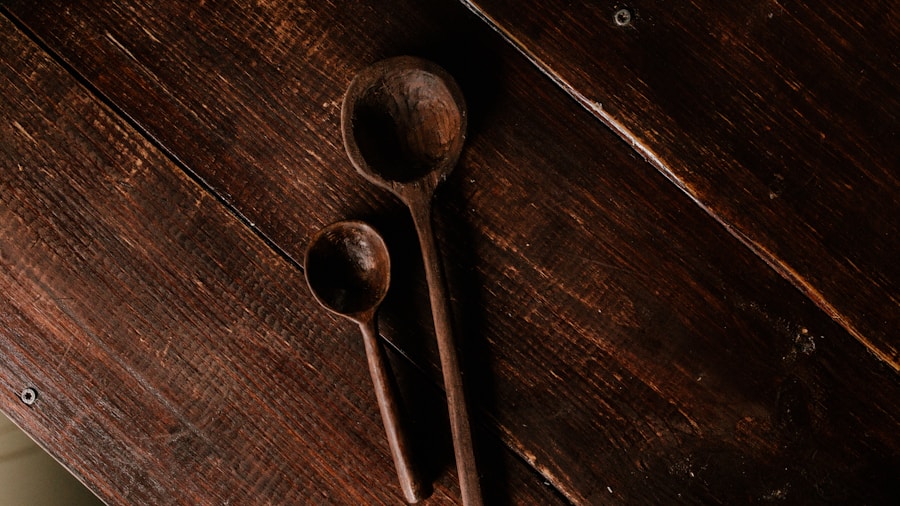
Hand washing is the only appropriate cleaning method for wooden items. Use a small amount of mild dish soap and warm water, gently scrubbing the surface with a soft cloth or sponge. The key is to work quickly and avoid letting the tools soak in water, which can cause warping and structural damage to the wood fibers. Soaking wooden boards or spoons defeats the purpose of choosing wood in the first place.
After washing, dry your wooden tools immediately and completely. Allow them to air dry standing upright or laying flat on a clean towel. Incomplete drying can lead to mold growth, which not only discolors the wood but can potentially contaminate your food. Make drying a final step that’s just as important as the washing itself.
Maintaining Wooden Tools for Long Term Use
When your wooden items begin to look dry or develop splinters, it’s time to oil them. A thin layer of food-safe oil prevents moisture loss and stops cracks and splintering before they start. Food-safe mineral oil is your safest choice, though tung oil, walnut oil, and mineral oil blended with beeswax are also acceptable options. Apply the oil only when the item is completely clean and dry, using a thin, even coat to restore the wood’s natural appearance and protect against drying.
Wooden kitchen tools deserve the same care you’d give to other quality cookware. This is especially true for items like cutting boards and salad bowls, which can become attractive serving pieces that add warmth and character to your table. Unlike specialized cleaning equipment designed for quick sanitization, wooden tools require a more thoughtful approach focused on longevity.
Why Wooden Tools Remain Popular
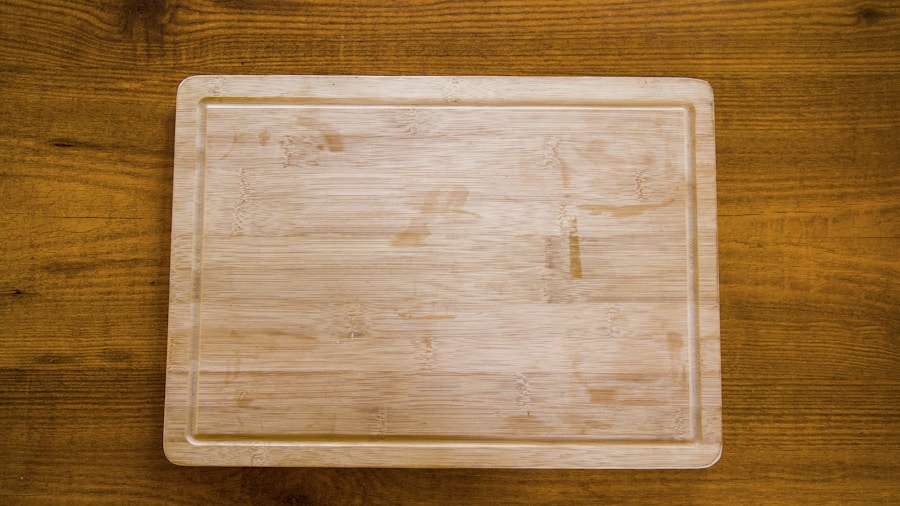
The versatility of wooden utensils explains their enduring popularity across home kitchens and professional settings. A wooden spoon mixing tomato sauce won’t impart metallic flavors that stainless steel spoons can, making it ideal for acidic dishes. Wooden spatulas glide smoothly across nonstick surfaces without scratching. These practical benefits, combined with their natural aesthetic appeal, make wooden tools worth the extra care they require.
Many cooks develop genuine attachments to their wooden tools over years of use. There’s comfort in using the same spoon that’s stirred countless pots of soup or the cutting board that’s seen generations of family meals prepared. This emotional connection to kitchen tools reflects their importance in creating memorable cooking experiences.
Protecting Your Investment
Think of proper care for wooden kitchen items as protecting a small investment in quality and durability. The cost of a good wooden spoon or cutting board is modest compared to how long it will last if maintained correctly. By keeping these tools out of the dishwasher, hand washing them promptly, and oiling them periodically, you ensure they’ll be available for your cooking projects for many years.
Wooden tool care is straightforward and doesn’t require special equipment or extensive time. It simply requires awareness and consistency. Skip the dishwasher, wash by hand with mild soap and water, dry thoroughly, and oil occasionally. These simple practices mean the difference between tools that last decades and ones that need replacing within a few years. Your wooden spoons, forks, spatulas, and boards will reward your attention with reliable performance and continued beauty in your kitchen.











Write Your Review
No reviews yet. Be the first to share your experience!