

A bookshelf can be one of the most challenging pieces of furniture to style effectively. Whether you have a small bedroom shelf or an expansive built-in unit, the gap between vision and reality often feels enormous. The struggle is real: you want your books and decorative items to look intentional and curated, but they end up looking chaotic instead. The good news is that with a strategic approach, you can transform any bookshelf into an organized, beautiful focal point in your home.
Getting expert guidance on bookshelf organization reveals that there are simple, repeatable techniques anyone can apply. These methods work because they focus on the fundamentals of visual balance, intentional placement, and restraint. Let’s walk through four actionable tips that will help you organize your bookshelf and keep it looking polished.
Tip 1: Sort Everything by Category First
Before you arrange anything on your shelves, pull everything off completely. This is your foundation. Lay out all your books, frames, plants, and decorative objects in separate piles on the floor or a large table. Group similar items together: all your cookbooks in one stack, fiction novels in another, children’s books elsewhere. Decorative items should be sorted by type as well, grouping frames with frames, candles with candles, and collectibles by collection.
This process serves two purposes. First, it gives you a clear inventory of what you actually own. Second, it allows you to make intentional choices about what deserves shelf space. Many people find they have far fewer items than they thought, or conversely, they realize they need to rotate or donate items to prevent overcrowding.
Tip 2: Organize Books by Function and Purpose

Once sorted, think strategically about how to arrange your books. The most effective approach is organizing by function rather than purely by aesthetics. Place children’s books on lower shelves where younger family members can easily reach and select them. Group fiction by genre so you and guests can find what you’re looking for. Cookbooks deserve a dedicated section near your kitchen, if possible. Reference books and frequently consulted volumes should go at eye level for quick access.
Within these functional groups, you have flexibility. Stack some books horizontally, particularly oversized coffee table books or art books, to add visual texture and break up rows of vertical spines. Mix in vertical stacks of regular-sized books for variety. A budget-friendly approach to shelving can also help you maximize your display without requiring expensive furniture purchases. This combination of horizontal and vertical stacking creates visual interest while maintaining organization.
Tip 3: Apply Weight Distribution and Visual Balance
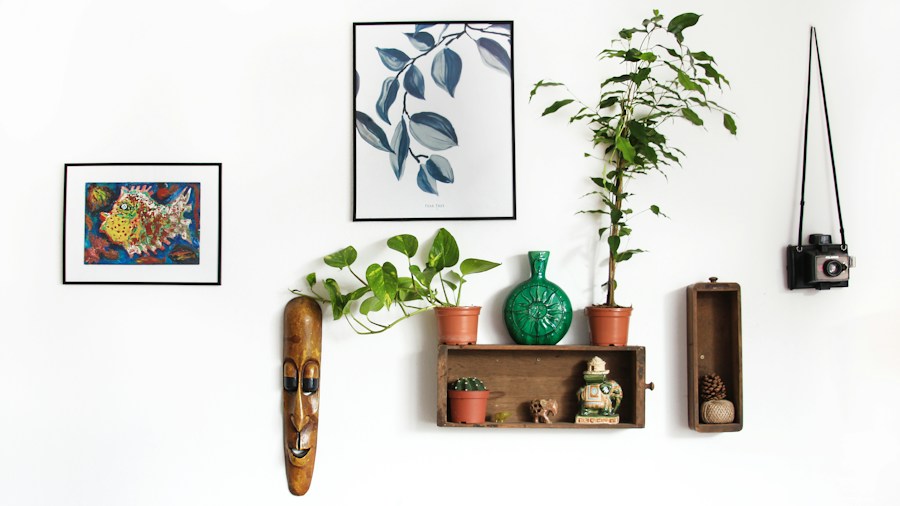
Here’s a design principle that instantly elevates any bookshelf: place heavier objects on lower shelves and lighter items at eye level and above. This isn’t just aesthetically pleasing, it’s also practical and safe. Heavy books, decorative boxes, and substantial sculptures belong on bottom and middle shelves. Lighter items, smaller frames, and delicate pieces work better higher up where they draw the eye without overwhelming the space.
Start filling your shelves from the bottom up, then step back frequently to assess balance. Move things around until the arrangement feels right. Don’t rush this process. Live with your arrangement for a few days before making final adjustments. Modern solutions like bookshelf lighting combinations can add both function and visual warmth to your display. What feels off initially often clicks into place after you’ve had time to observe it in different lighting and from various angles.
Tip 4: Embrace Empty Space and Avoid Overcrowding
The most common mistake people make with shelves is filling every inch. Resist this urge. Intentional gaps and breathing room make your display feel curated and allow each item to have visual weight. When shelves are packed wall to wall, nothing stands out, and the whole display feels cluttered and overwhelming.
Leave small pockets of empty space between groupings. This creates natural visual breaks and helps your eye move across the shelf instead of getting stuck in visual chaos. The items you choose to display will appear more important and special when they’re not competing with dozens of other objects for attention. This restraint is what separates a styled bookshelf from an overstuffed one.
The final mindset shift you need is permission to stop overthinking. Once you’ve arranged everything intentionally using these four tips, step away. Live with your bookshelf for a week or two. Make small tweaks as needed, but embrace the imperfection. Your bookshelf should reflect your life and interests, not magazine perfection. When you stop trying to force a certain aesthetic and instead focus on functional, balanced organization, your shelves naturally become a warm, personal focal point that draws people in.












Write Your Review
No reviews yet. Be the first to share your experience!