

If you’ve been planning to repaint your living room with a bold, single-color accent wall, interior designers have news: this approach is losing its appeal. As we move into 2026, the design world is evolving beyond the flat-color accent wall concept, and understanding this shift can help you make smarter decorating choices today.
The End of the Single Accent Wall Era
For years, accent walls have offered homeowners an affordable and relatively simple way to add visual interest to their living spaces. A vibrant hue on one wall could instantly transform a room’s energy. However, design professionals now see this trend as feeling dated and lacking the refinement that modern homeowners seek. The problem isn’t that adding focal points is invalid; it’s that the approach has become too predictable.
Instead of relying on a single wall drenched in a flat color, designers are recommending more nuanced, textured solutions. Miranda Cullens, a respected interior designer, explains that accent walls are evolving toward creating subtle contrast through tactile surfaces rather than simple color application. This means considering how materials interact with light and shadow to create depth and dimension in your space.
Layered Finishes and Color Drenching Are the New Direction
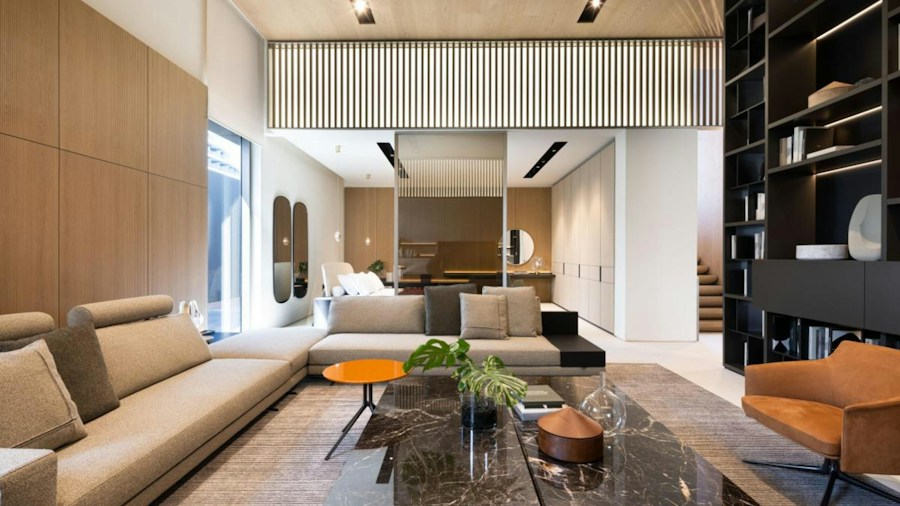
So what replaces the traditional accent wall? Designers are now championing two primary approaches: color drenching and layered finishes. Color drenching involves applying a chosen color to an entire room, then layering in visual interest through carefully selected furnishings and textiles rather than relying on wall color alone. This creates a more cohesive and sophisticated environment.
Layered finishes represent another path forward. Softer materials like limewash and plaster are gaining traction as alternatives to flat matte paint. These finishes create more refined aesthetics with natural texture and subtle variations that change throughout the day as light moves across your walls. When combined with warm, durable materials and a mix of furnishings from different eras, this approach delivers the personality that shoppers want without feeling trendy or temporary.
How This Impacts Your Decorating Budget
If you’re currently shopping for accent wall paint, this design evolution doesn’t mean you need to abandon your project. Instead, consider whether the single-wall approach truly serves your space and your lifestyle. Ask yourself how your family actually uses the room. Do you prioritize comfort and functionality, or are you designing primarily for how it looks in photos? When you choose textiles and wall art that make major comebacks in modern homes, you’re investing in layers of interest that feel more intentional than a single bold wall.
The financial implications are worth noting. Instead of buying paint and refreshing a single accent wall every few years when the trend fades, consider investing in quality materials that create lasting visual interest. A can of limewash or plaster primer may cost slightly more than basic paint, but these finishes age beautifully and feel less tied to temporary design fads.
Building Visual Depth Beyond Paint Color
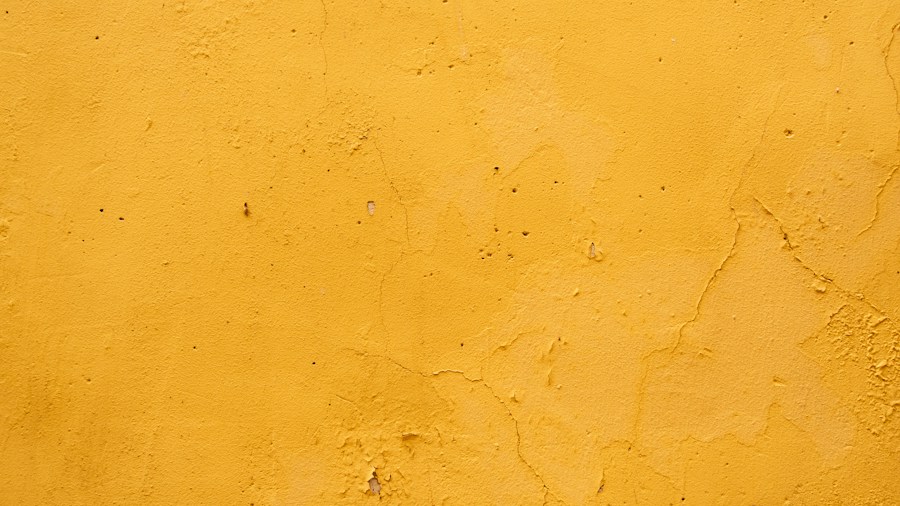
Designers emphasize that creating focal points remains valuable. The shift is about achieving those focal points through methods beyond flat color application. This could include incorporating high-quality artwork that draws the eye, using natural materials and textures, or strategically placing furnishings that anchor your design. Kitchen wall art becomes the design trend of 2027, showing how the design world is moving toward intentional placement of single, impactful pieces rather than overwhelming walls with color or multiple elements.
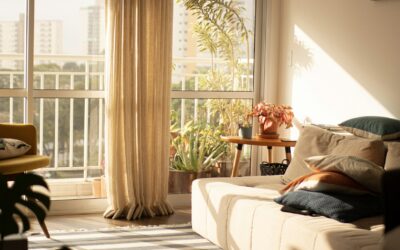
When layering your living room design, consider how different materials work together. A matte-finish wall in a warm tone pairs beautifully with furnishings in complementary materials. Add a mix of wood tones, textiles with natural fibers, and carefully chosen lighting. This approach feels both timeless and personal, avoiding the flat, generic look that perfectly coordinated, single-color spaces often present.
Practical Tips for Updated Accent Wall Styling
If you decide to move forward with an accent wall despite the trend shift, apply these designer principles: use softer, more refined finishes rather than flat matte paint; pair the accent wall with varied textures and furnishings throughout the space; and ensure that your chosen color complements existing elements rather than overwhelming them. Thoughtful lighting choices can enhance any wall treatment, adding warmth and dimension regardless of your paint selection.
The bottom line: the accent wall concept isn’t disappearing entirely, but how designers execute it is changing dramatically. By understanding these shifts, you can make decorating decisions that will feel current and intentional for years to come, rather than feeling dated within seasons.








Write Your Review
No reviews yet. Be the first to share your experience!