

When a New York City renter inherited a unit that had fallen victim to the dreaded “landlord special” – the term used to describe apartments hastily updated with budget fixes and layers of paint – it seemed like a design disaster. But with building management approval and a talented designer on board, the apartment transformed into a layered, sophisticated space filled with vintage charm, bold design choices, and unexpected personality. Here’s what this ambitious renovation means for renters and homeowners looking to maximize their own spaces.
The Starting Point: A Blank but Damaged Canvas
The apartment arrived in rough condition. Multiple layers of old paint covered the walls, plumbing issues plagued the kitchen and bathrooms, and the original architectural details were buried under years of quick fixes. Rather than abandon the project, the designer and owner saw an opportunity. By securing building management approval for significant structural work, they were able to completely gut the kitchen and bathroom, replace old leaking pipes, and strip away the cosmetic damage to reveal beautiful bones underneath.
For shoppers facing similar rental situations, this project demonstrates the importance of negotiating with landlords or management companies early. Many buildings will approve major renovations if the work addresses legitimate maintenance issues like faulty plumbing or outdated fixtures.
Using Wallpaper as a Design Statement
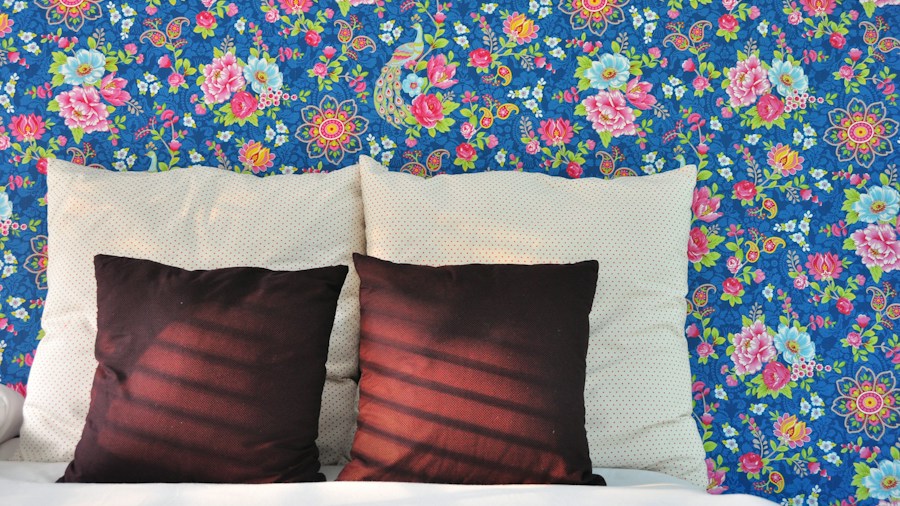
One of the most striking elements of this renovation was the extensive use of wallpaper throughout the bedrooms. Rather than keeping walls neutral, the team selected patterned wallpaper with bold, dark backgrounds that allowed artwork to stand out while adding visual richness to smaller spaces. Fabric walls have emerged as a fresh wallpaper alternative for homeowners seeking different textures, but in this case, traditional wallpaper proved ideal for creating the sophisticated, hotel-like atmosphere the owner desired.
The strategic use of wallpaper in a primary bedroom featured a custom bed design that echoed French hotel aesthetics, while the guest bedroom’s wallpaper coordinated perfectly with reupholstered furniture to create a cohesive drawing room feel. This approach shows renters that wallpaper can transform a space dramatically without requiring permanent structural changes – and many landlords view it as temporary when compared to painted walls.
The Surprise Retro Kitchen That Steals the Show
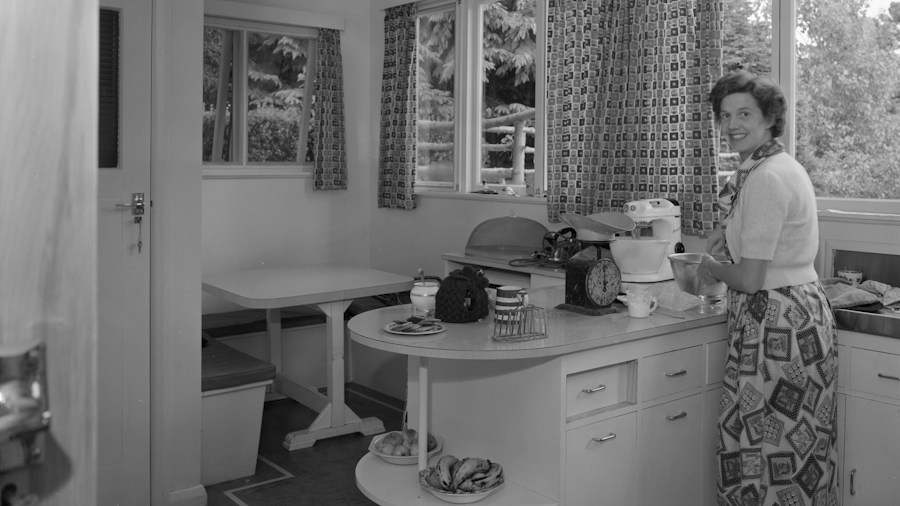
Perhaps the most unexpected element is the kitchen, which breaks sharply from the apartment’s European vintage aesthetic. Anchored by bold red appliances and diner-style furniture from a company that typically supplies diners, this space delivers a bright pop of color and authentic mid-century charm. Metal edge trim on countertops completes the retro look, creating a visual jolt when moving from the historical parlor spaces.
This design choice illustrates how kitchens can be the perfect place to express bold personality in a rental. Since kitchens are often overlooked in renovation budgets and design plans, a focused effort on color, appliances, and seating can create tremendous impact without requiring major structural changes.
Lighting and Artwork Transform Problem Spaces
Beyond wallpaper and kitchen upgrades, the designer emphasized that lighting and artwork do the heavy lifting in transforming sterile rental spaces. Most fixtures in the apartment are vintage or European-inspired, creating layered ambiance throughout. A prominent gallery wall in the main living area displays the owner’s personal collection of art and antiques, including a stingray shell, adding character that no contractor could install.
For renters with limited renovation budgets, this strategy is especially relevant. Floor lamps, table lamps, and plug-in sconces create atmosphere without touching walls. Custom stenciling offers an alternative to wallpaper for those seeking budget-friendly bathroom updates, but curating personal artwork and layering different lighting sources achieves similar transformation at any price point.
Making Rental Spaces Work Harder
The design also solved a common rental challenge: making spaces serve multiple purposes. The main parlor functions as both living and dining area, with flexible furniture layouts. The guest bedroom doubles as a library, drawing studio, and office. This approach maximizes utility in smaller urban apartments where space is at a premium.
Key Takeaways for Shoppers
This renovation proves that even heavily compromised rental units can become beautiful homes with strategy and planning. Prioritize negotiating renovations that address maintenance issues, invest in quality vintage or reproduced furniture that you can take with you, and use wallpaper, lighting, and artwork to create visual interest. Focus resources on high-impact areas like kitchens and bedrooms rather than spreading efforts thin. Finally, remember that personal collections and thoughtful curation matter more than expensive finishes when it comes to making a space feel like home.






Write Your Review
No reviews yet. Be the first to share your experience!