

As hummingbird migration season accelerates each fall, creating a welcoming habitat in your garden becomes essential for supporting these delicate travelers. Many gardeners focus on spring and summer blooms to attract hummingbirds, but autumn presents a genuine challenge. Most perennials fade by September and October, leaving migrating birds searching for nectar sources just when they need energy most. This seasonal gap is precisely where purple fall flowers step in, offering vital nutrition when other options disappear.
While red flowers often dominate hummingbird gardening conversations, purple blooms deserve equal attention. Hummingbirds can see ultraviolet light thanks to their unique tetrachromatic vision, which makes bold purple and electric blue flowers stand out dramatically against green foliage. If you’re building your own garden paradise with design lessons from California, incorporating purple fall flowers aligns perfectly with creating a bird friendly environment year-round. Understanding which varieties bloom longest and perform best will help you select the right plants for your space.
Mexican Bush Sage: The First to Bloom
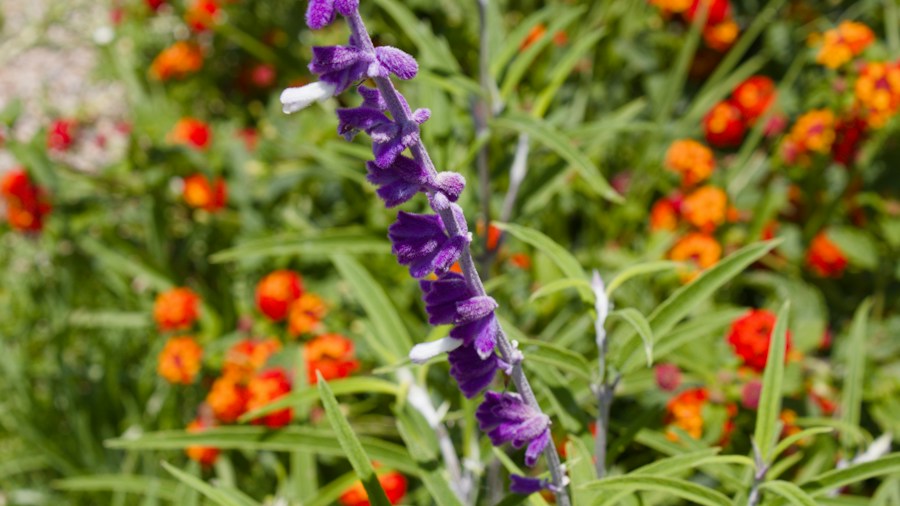
Mexican bush sage ranks among the top choices for fall hummingbird support because it blooms from late summer straight through autumn. This shrubby perennial belongs to the mint family and features distinctive long, arching, velvety flower spikes with tubular blooms perfectly suited to hummingbird bills. Even though it dies back after the first hard frost, Mexican bush sage frequently provides the earliest purple flowers to fill that crucial nectar gap after summer plants fade.
Grow Mexican bush sage in full sun with rich, well draining soil. If planting multiple specimens, space them 3 to 5 feet apart. This variety thrives in USDA zones 8 through 10, making it ideal for southern and moderate climate gardeners.
Catmint: The Reliable Extended Bloomer
Catmint, also called Nepeta, earns its popularity by being exceptionally hardy, dependable, and fragrant. While technically not strictly a fall flower, many varieties continue their summer flowering display well into autumn. You can encourage a second bloom flush by removing spent flowers and leggy growth after the first wave of blooms in early summer. Catmint produces tall flower spikes with small tubular flowers that hummingbirds readily visit.
Beyond hummingbirds, catmint attracts bees and butterflies, making it invaluable for any fall pollinator garden. Depending on variety, catmint can bloom into October. Plant in full sun with well draining soil, but avoid excess fertilizer, as too much nitrogen causes flower spikes to flop and creates unsightly gaps in your garden beds.
Great Blue Lobelia: The Native Option
Great blue lobelia produces blue purple flowers from July through October, offering months of support during migration season. While many gardeners recognize the red cardinal flower, this blue purple Lobelia siphilitica variety deserves attention as a native plant that attracts hummingbirds, bees, and butterflies equally well. The tubular blooms contain abundant nectar that hummingbirds depend on during their journey.
This species prefers moisture retentive soil and thrives in wetter environments, making it excellent for rain gardens. If you’re interested in Martha Stewart’s top shrub pick for fall gardens, consider pairing great blue lobelia with complementary native plantings. Great blue lobelia grows in USDA zones 4 through 9.
Agastache and Obedient Plant: Additional Purple Options
Agastache, commonly called hyssop or hummingbird mint, produces nectar packed tubular flowers from early summer through the first frost. Purple varieties like Agastache ‘Black Adder’ and Agastache ‘Blue Fortune’ offer beautiful seasonal color while providing consistent nutrition for migrating birds. Agastache requires full sun, as insufficient light creates weak, leggy growth and poor blooms. Divide plants every 3 to 5 years as they mature.
Obedient plant rounds out the five best options, producing pink and lavender tubular spikes that hummingbirds love as migration begins. This reliable performer adapts to numerous growing conditions, tolerating full sun to partial shade and various soil types, though it prefers rich, evenly watered soil. Obedient plant continues blooming until the first frost, consistently filling the nectar gap throughout fall. As you expand your garden this season, attract owls to your fall garden by implementing proper planning now alongside your hummingbird plantings.
Planning Your Fall Hummingbird Garden
Starting purple fall flowers is straightforward and affordable. Whether you choose one variety or plant all five, your efforts will noticeably support hummingbirds during their critical migration period. Young plants from local nurseries or online retailers establish quickly when planted in appropriate conditions.
The key to success involves matching plants to your USDA hardiness zone, providing proper light and soil conditions, and maintaining basic care during establishment. Most purple fall flowering plants become drought tolerant once established, reducing ongoing maintenance requirements. By October, you’ll witness hummingbirds visiting your garden with increased frequency as they fuel their southward journey.









Write Your Review
No reviews yet. Be the first to share your experience!