

As September and October arrive, the garden season shifts into high gear. This is the ideal window for planting new shrubs, trees, and perennials before winter sets in. If you are planning a fall planting project, one of America’s most trusted gardening voices has a strong recommendation: boxwood shrubs.
Martha Stewart recently revealed that boxwood is the plant she relies on repeatedly across her own property and strongly endorses for gardens throughout the United States. With thousands of boxwoods growing on her estate, Stewart has firsthand experience with why this traditional shrub deserves a place in your landscape.
Why Boxwood Stands Out
According to Stewart, boxwood checks all the boxes for a practical, beautiful garden investment. She looks for plants that serve as a reliable background layer in the landscape while offering multiple benefits. In the American climate, that means finding something deer resistant, slow growing, visually striking, durable, and featuring attractive foliage year round.
Boxwood meets every one of these criteria. The shrub is evergreen, meaning it provides color, structure, and visual interest throughout all four seasons, even when other plants have gone dormant. Most varieties are naturally resistant to deer and rabbit damage, a significant advantage if you live in an area where wildlife browse on vulnerable plants. These are also low maintenance specimens that require only light trimming to maintain their shape, and they can thrive for decades when properly established.
The versatility of boxwood is perhaps its greatest asset. Stewart emphasizes that boxwoods work beautifully as border plants and hedges, formal architectural framing elements, topiary specimens, and accent plantings. This flexibility means a single shrub choice can fill multiple design roles in your garden.
Varieties Worth Planting Now
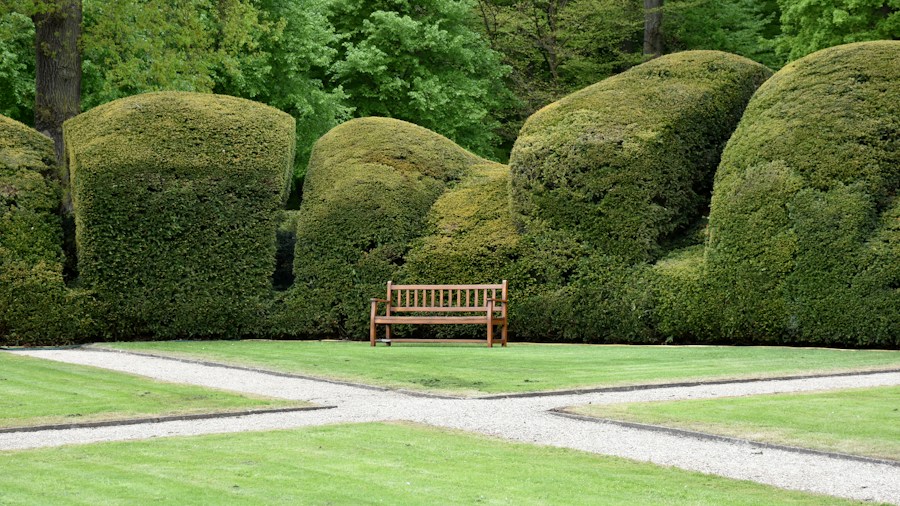
Several boxwood options perform exceptionally well across different US regions. The Winter Gem variety transforms color with the seasons, turning bronze during fall and winter months to create visual interest as other plants fade. The American boxwood is particularly suited to formal hedge work and topiary projects, allowing gardeners to shape it into architectural forms.
For those looking to pair boxwood with complementary plants, Stewart recommends the American hornbeam as an excellent native companion. This resilient tree grows naturally in hedge form and does not require full sun, making it valuable for shaded areas. In fall, the American hornbeam displays brilliant red orange and yellow foliage, adding seasonal drama to your landscape.
Planting now offers a crucial advantage: shrubs installed in fall have time to establish strong root systems before spring growth demands energy. This head start means healthier, more vigorous plants come spring. Understanding proper fall planting techniques helps ensure your new shrubs develop strong root systems before the growing season resumes.
Potential Challenges and Solutions
While boxwood is generally hardy and problem free, gardeners should be aware of one emerging threat. The box tree moth is an invasive pest whose larvae, the box tree caterpillar, can cause significant damage to boxwood plants. Though this pest remains far more prevalent in the UK, cases have been documented in the United States since 2021.
If you notice signs of box tree moth damage on your shrubs, report it immediately to your local USDA office or state agriculture department. Small infestations can be managed through hand removal or insecticidal soap treatments. Maintaining overall garden health through integrated pest management practices creates environments where plants resist pests more effectively.
Occasionally boxwood may develop yellowing or discoloration, though this typically signals a specific care issue that can be corrected through adjusted watering, drainage, or nutrient management. Alternative options like Japanese holly, mountain laurel, yew, and azaleas provide similar performance if you prefer to avoid boxwood.
Final Fall Gardening Advice
As you prepare your garden for the coming months, Stewart emphasizes the importance of feeding plants now rather than waiting until spring. Applying fertilizer in fall allows plants to absorb nutrients that will strengthen them through winter and promote robust growth and blooming in springtime. This practice is particularly important for newly planted shrubs establishing themselves in their new home.
Smart watering solutions become especially valuable in fall when weather patterns shift and plants have different moisture needs. Fall planting combined with proper feeding sets the stage for a healthier, more beautiful garden in the growing season ahead.
The bottom line: boxwood offers reliable performance, year round interest, low maintenance requirements, and proven durability. Whether you are redesigning your entire landscape or simply adding a few strategic shrubs, Martha Stewart’s recommendation deserves serious consideration for any US garden.







Write Your Review
No reviews yet. Be the first to share your experience!