

For decades, pet furniture has occupied an awkward middle ground in home design. Pet owners curate their living spaces with intention, but then compromise when it comes to items for their animals. The scratchy cat tower. The plastic food bowl. The doormat that looks forgotten. That gap between the standards homeowners hold for their own comfort and what they accept for their pets is finally closing, driven by designers who refuse to treat animal spaces as afterthoughts.
This shift matters to shoppers because it means pet furniture is no longer confined to a separate, lower standard. Designers are now applying serious design thinking to the objects that sit in your living room, kitchen, and entryway every single day. The result is a category of furniture and products that work harder, look better, and actually solve problems that traditional pet goods have ignored for years.
Why Pet Furniture Design Is Changing Now
Pet ownership has transformed. Animals now spend their days in home offices, on sofas, and in bedrooms alongside their owners in ways the previous generation of products never anticipated. Yet the furniture available to pet owners remained stuck in an older era, where function and aesthetics were treated as separate concerns. This mismatch created an opportunity for designers who recognized that coherent home design must account for the animals living in it.
The change reflects a broader principle: everything deserves thoughtful design, including the things homeowners have long accepted as visually awkward. When you approach pet furniture with the same care applied to workspace solutions and other furnishings, entirely new possibilities emerge.
Key Examples of This Design Evolution
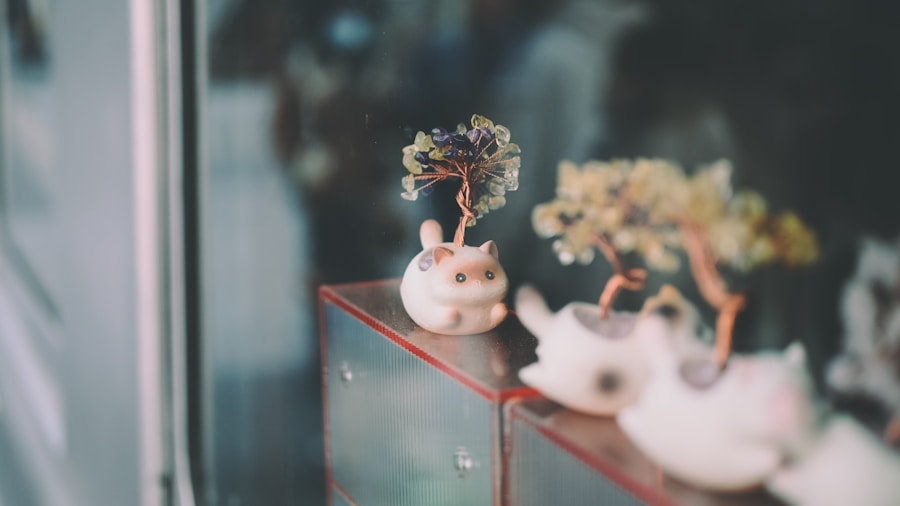
Cat trees represent a perfect case study. For years, these structures were eyesores that owners tolerated in corners or hid behind other furniture. Contemporary cat trees now combine sculptural form with functional climbing surfaces, turning them into statement pieces that anchor a room rather than detract from it. When wrapped in wool upholstery and built with rounded, intentional proportions, a cat tree becomes something you place deliberately, not something you apologize for.
Robot vacuums designed with pet owners in mind address a real frustration. Pet hair tangles around brushes, clogs filters, and makes machines unreliable. New models now include certified detangling systems, more powerful suction, and even mapping technology that tracks where your pet spends time and adjusts cleaning routes accordingly. When finished in neutral finishes, these vacuums sit visibly in your home as quiet luxury objects rather than appliances you hide away.
Feeding solutions have evolved too. Traditional slow feeder bowls work for about a week before dogs learn to navigate them and return to their normal gulping pace. Modern designs ship with multiple interchangeable puzzle inserts at varying difficulty levels, letting owners rotate them as their pet adapts and keeping mealtime challenging indefinitely. Paired with adjustable stands that raise bowls to shoulder height, these feeders address both the behavioral and postural concerns that vets and pet owners recognize.
Doorway hygiene products now combine three functions into a single portable mat: cleaning, drying, and disinfecting paws in one step. Traditional door mats handle mud and water partially at best. A mat designed around this specific problem shortens the entry routine without eliminating it, which matters for households where paw hygiene connects to allergy management or cleanliness standards.
Work-from-home furniture has even adapted to cat behavior. A desk designed with a center cavity and hidden perching shelf beneath the tabletop gives cats a settled spot at the same level as their owner’s work surface, eliminating the daily negotiation over keyboard space and notebooks. Rather than competing with the animal for surface area, the furniture distributes space so both activities fit without interruption.
What This Means for Shoppers
These upgrades signal a permanent shift in how the market approaches pet ownership. You are no longer choosing between having a beautiful home and accommodating your animal. As furniture layering and arrangement trends evolve, pet furniture has become part of that conversation rather than separate from it.
For consumers, this shift means higher upfront costs than traditional pet products, but also products built to last longer and perform more reliably. These are considered responses to specific problems, not impulse purchases or quick fixes. A bowl that stays challenging. A vacuum that accounts for hair before it becomes a problem. A table that accepts the cat before it ever arrives. That is what purposeful design looks like when it addresses the right problems.
The investment also reflects changing priorities. Pet owners increasingly view their animals as permanent members of the household whose needs deserve the same design attention as their own. This perspective has opened space for products that refuse to compromise on either function or appearance, creating furniture that respects both the animal’s life and the home’s overall coherence.




Write Your Review
No reviews yet. Be the first to share your experience!