

As winter approaches, many gardeners focus on protecting container plants from frost and freezing temperatures. However, there is a critical issue that lurks hidden beneath the soil surface and can silently kill your plants: blocked drainage holes in pots and planters. The good news is that preventing this problem is straightforward and takes minimal effort.
Why Drainage Matters in Winter Gardening
Proper drainage is the foundation of healthy container gardening year-round, but it becomes even more crucial during the cold months. When drainage holes become blocked, water accumulates inside the pot instead of draining away. During wet winters, this excess moisture can spell disaster for your plants, especially when temperatures drop and that water freezes solid around the roots.
When plants sit in waterlogged soil, their roots are literally suffocating. As the soil becomes saturated, air pockets fill entirely with water, cutting off oxygen supply to the roots. This leads to root rot, where roots turn black and mushy and begin to decay. Beyond root rot, waterlogged conditions create an ideal breeding ground for fungal diseases like botrytis and wilt, which further compromise plant health.
The visible symptoms of waterlogging appear above ground as yellowing foliage, wilting leaves, and eventual dieback. But the damage starts below the surface long before you notice these warning signs. When combined with freezing winter weather, waterlogged soil becomes even more dangerous because that saturated soil expands as it freezes, which can literally shatter terracotta and clay pots.
Common Causes of Blocked Drainage Holes
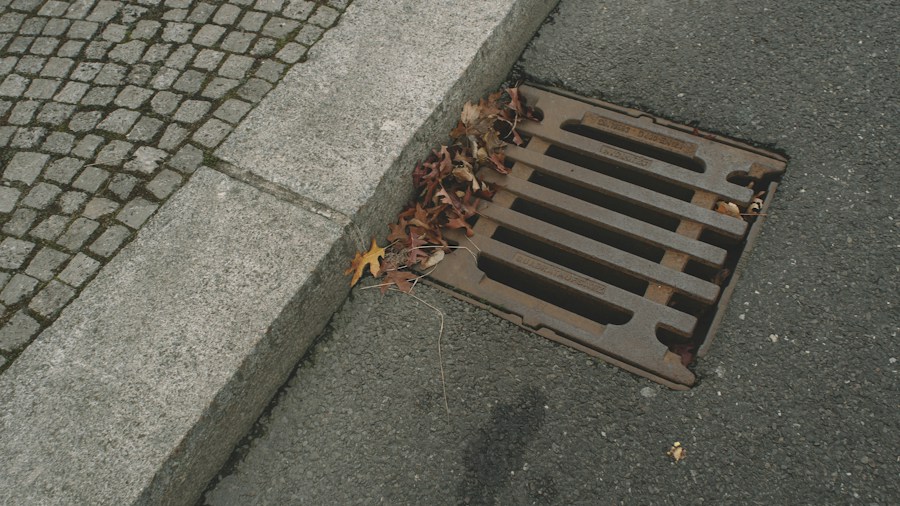
Over time, drainage holes can become obstructed by multiple culprits. Compacted soil settling in the pot, accumulated debris, mineral and salt buildup from repeated watering, pest activity, or even roots growing downward can all block these essential openings. The blockage might not be obvious by simply looking at the pot, which is why checking them before winter is so important.
Container plants face more exposure to harsh winter conditions than plants in the ground, so every protection measure counts. Even hardy plant varieties cannot survive sitting in a pot filled with frozen soil. The combination of waterlogging and frost is a nearly guaranteed way to lose container plants over winter.
How to Inspect and Clear Drainage Holes
The solution is surprisingly simple and takes only a few minutes per pot. Start by carefully lifting or tilting each container to inspect the drainage holes at the base. Look for obvious signs of blockage or attempt to pour a small amount of water through to test if it drains freely.
To clear blocked holes, take a wooden skewer or chopstick and gently push it through each drainage hole, twisting slightly to dislodge any debris or mineral buildup. This low-tech approach works remarkably well and costs nothing if you already have wooden skewers in your kitchen.
After clearing the holes, remove any plant saucers that sit underneath the pots. While saucers are useful during growing season to catch excess water, they trap moisture during winter and essentially seal off your cleared drainage holes. When preparing your garden for the transition to colder months, saucer removal should be part of your checklist.
Additional Steps to Protect Winter Containers
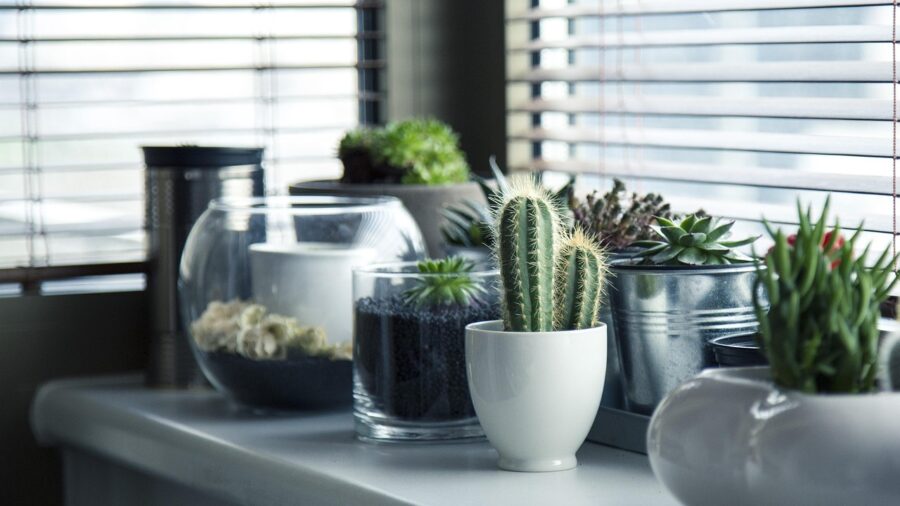
Once drainage holes are clear and saucers are removed, elevate your containers by placing them on pot feet. Never set pots directly on cold, wet paving or concrete, as this essentially re-seals the drainage holes and prevents water from escaping underneath. Pot feet raise containers off the ground, allowing air circulation and drainage from all sides.
Consider grouping pots together in a sheltered location, such as against a wall or beneath an overhang. This creates a beneficial microclimate that traps heat and shields plants from the heaviest rain and snow. If you’re worried about waterlogging despite your efforts, move containers to an even more protected spot or consider wrapping them in winter plant covers.
Monitor your plants throughout winter for signs of problems. Watch for discoloration, wilting, or mold growing on the soil surface, which all indicate too much moisture. As you prepare your garden for winter, addressing drainage protects not only your plants but also the overall health of your outdoor space.
Choosing Winter Resistant Container Materials
If you’re shopping for new containers this season, consider choosing materials that handle winter better than others. Terracotta and clay, while beautiful and popular, are porous and absorb moisture that expands when it freezes, leading to cracking and shattering. Fiberglass, fiberstone, resin, and wood are more resistant to freeze damage and make better choices for regions with harsh winters.
Adding drainage hole inspection to your fall gardening checklist takes just five to ten minutes but can mean the difference between thriving plants and dead ones come spring. This simple preventive measure protects your investment in plants and containers while ensuring your garden bounces back healthy when warmer weather returns.









Write Your Review
No reviews yet. Be the first to share your experience!