

As summer fades and temperatures drop across the United States, gardeners face a critical transition period. Your garden doesn’t simply stop producing in fall; instead, it enters a different phase that demands specific attention and knowledge. Understanding what happens during autumn and which plants thrive in cooler months can help you maintain a vibrant outdoor space well into the season and make smarter purchasing decisions for your landscape.
What’s Happening in Your Fall Garden Right Now
In temperate zones like Zone 7a and throughout the Northeast and Mid-Atlantic regions, many traditional summer plants begin their decline as daylight shortens and nighttime temperatures drop. Begonias, hostas, and other shade-loving perennials that performed beautifully during summer start to fade. However, this doesn’t mean your garden becomes barren. Rather, fall presents an entirely different palette of opportunities for color and visual interest.
Hardy begonias, a variety that thrives in zones 6 through 9, represent one of the season’s hidden gems. Unlike their tender annual cousins that wilt with the first frost, these perennials produce delicate pink flowers that emerge precisely when most gardeners expect the garden to shut down. Similarly, colchicums offer surprising blooms in fall, with their flowers appearing weeks or even months after their spring foliage has completely disappeared. Toad lilies, Japanese anemones, and tradescantias all extend the growing season and provide texture and color when you need it most.
The Low-Maintenance Advantage of Dense Planting
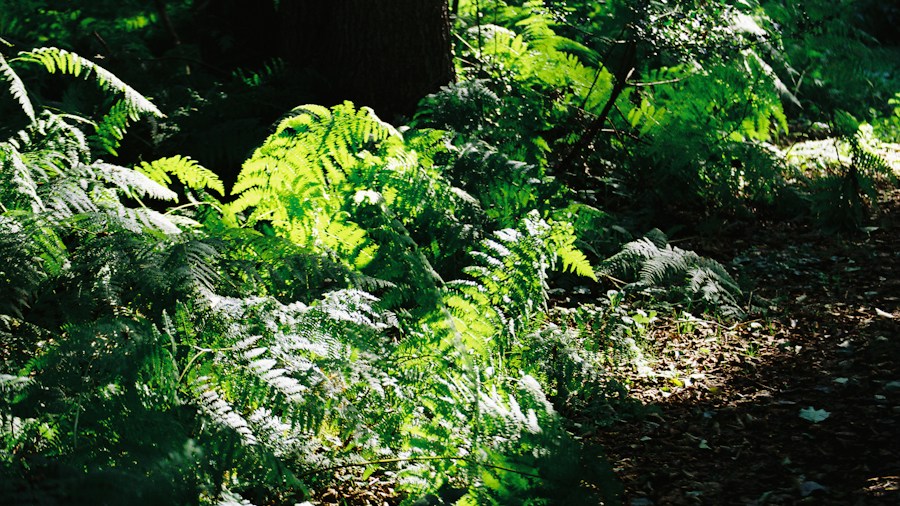
One practical strategy gaining traction among experienced gardeners involves intentionally crowding beds with shade-loving plants and groundcovers. Rather than fighting weeds in sparse rows, gardeners are discovering that dense planting naturally crowds out unwanted growth. When anemones and hardy begonias completely fill a bed, there’s simply no room for weeds to establish themselves. This approach reduces maintenance demands and creates a lush, full appearance that many find more visually appealing than traditional spacing.
This technique also supports broader garden health. As garden bees prepare for winter dormancy, dense plantings provide abundant nectar sources and shelter during the critical autumn months. Dense foliage creates microclimates that protect beneficial insects from temperature swings and harsh weather.
Color Beyond Traditional Fall Tones
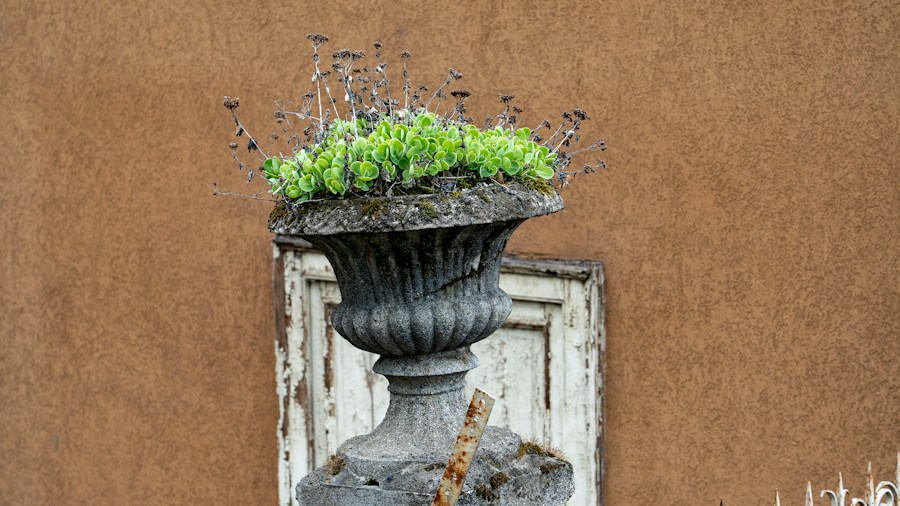
When most people envision autumn gardens, they picture orange marigolds, yellow mums, and deep red sedums. While these remain excellent choices, successful fall gardeners are expanding their color palette. Soft pink and magenta tones create sophisticated, unexpected visual interest. Double begonias in bright magenta continue blooming profusely well into fall, especially when grown in containers paired with weathered urns or other aged vessels. The dropped petals add scattered color to patios and walkways, extending the ornamental value beyond the blooms themselves.
This shift toward varied fall color represents a broader trend in landscape design. Rather than limiting seasonal color to traditional hues, homeowners and gardeners increasingly mix warm tones with pastels and jewel tones. This requires knowing which plants offer unexpected fall colors and understanding their growing requirements in your specific zone.
What This Means for Your Shopping Decisions
If you’re planning fall garden improvements, prioritize plants with proven performance in your hardiness zone rather than relying on generic seasonal displays at garden centers. Hardy begonias, colchicums, anemones, and hostas represent investments that will return year after year. Check plant labels carefully for zone ratings; a plant rated for zones 4 through 9 offers significantly better long-term value than a tender annual that requires replacement each year.
Consider your layout when purchasing shade-loving plants. Winding stone paths through naturally shaded areas planted densely with ferns, hostas, and anemones create serene spaces that require minimal weeding and maintenance. Natural landscape designs emphasize layered plantings with multiple levels of visual interest, and fall gardens benefit tremendously from this approach.
Container gardening offers another avenue for fall color. Double begonias in containers allow you to position color exactly where you want it and bring tender varieties indoors before the first frost if desired. Quality containers with proper drainage and stable construction will outlast multiple seasons of use, making them worthwhile investments rather than disposable items.
Planning Ahead for Maximum Fall Impact
Successful fall gardens don’t happen by accident; they result from thoughtful spring and summer planning. When you’re purchasing plants in spring, select varieties with proven fall performance. Research which perennials offer color or architectural interest as other plants fade. Hardy begonias planted in spring will establish strong root systems by fall, delivering more abundant blooms than newly planted specimens.
Understanding the natural progression of your garden through the seasons transforms how you approach plant purchases. Rather than buying whatever catches your eye, you’ll select plants that fit into a cohesive seasonal progression. Fall flowers that attract pollinators serve double duty, providing visual interest while supporting local wildlife during migration and preparation for winter.
As temperatures continue to cool and daylight diminishes, remember that garden transition represents opportunity rather than loss. By understanding which plants perform best in fall conditions and how to arrange them for maximum impact, you can extend your gardening season and create landscapes that provide color and interest year-round. Your purchases today will determine your garden’s success in weeks and seasons to come.












Write Your Review
No reviews yet. Be the first to share your experience!