

Homeowners across North America are increasingly rethinking what a productive, livable garden can be. Rather than traditional landscapes focused solely on aesthetics, a growing movement embraces wildlife-friendly designs that double as personal sanctuaries. One standout example shows how a comprehensive garden overhaul can transform outdoor space into something truly special for both humans and nature.
A recent high-profile garden project in the UK demonstrates this shift. The redesigned landscape features a natural swimming pool at its center, surrounded by native plantings, productive growing zones, and natural habitat features. The owners, both veterinary professionals, wanted their garden to support local wildlife while providing year-round outdoor recreation and food production. What began as a traditional backyard concept evolved into an integrated ecosystem that benefits everyone living there.
The Natural Pool Concept Reshapes Garden Planning
The centerpiece of this transformed space is an unheated natural swimming pool that functions as both a recreation facility and wildlife habitat. Unlike conventional chlorinated pools, natural pools rely on biological filtration through aquatic plants. The pool divides into two zones: a clear swim area for humans and a regeneration zone densely planted with native aquatic species. This dual-purpose design allows homeowners to enjoy swimming while supporting dragonflies, bats, frogs, and other wildlife.
The landscaping around the pool edges features carefully selected plants chosen for color, fragrance, and pollinator appeal. Water mint, native flag irises, marsh marigolds, and ragged robin bloom from spring through early fall, attracting butterflies and moths while creating sensory interest. Deeper aquatic plants like water plantain and arrowhead provide structural habitat for emerging dragonflies and other aquatic insects. The result is a thriving ecosystem that requires minimal chemical intervention.
Blending Productivity with Aesthetics
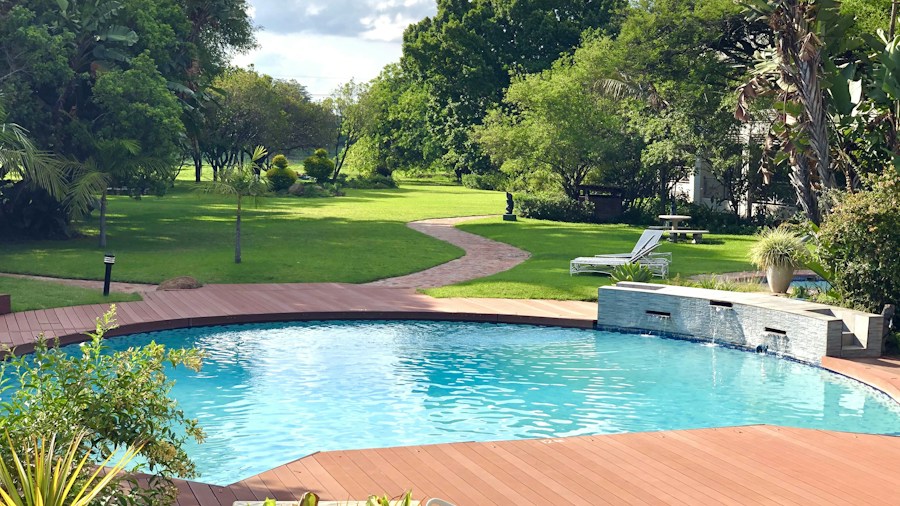
Beyond the pool, the garden incorporates multiple functional elements that modern homeowners increasingly value. A raised kitchen garden provides seasonal vegetables without artificial fertilizers or pesticides. An innovative edible hedgerow combines hazel, hawthorn, blackberry, damson, pear, and serviceberry to create structure, seasonal flowers, and food sources simultaneously. These plantings serve dual purposes: they produce fruit and nuts while providing shelter and food for birds and small mammals.
The edible hedgerow creates a gradual visual and functional transition between the manicured garden spaces and the surrounding meadow. The owners deliberately leave portions of the meadow uncut over winter, providing overwintering habitat and seed sources for insects and birds. This integrated approach means the garden contributes positively to the broader ecosystem rather than existing as an isolated outdoor room.
Strategic Autumn Planting Drives Year Round Interest
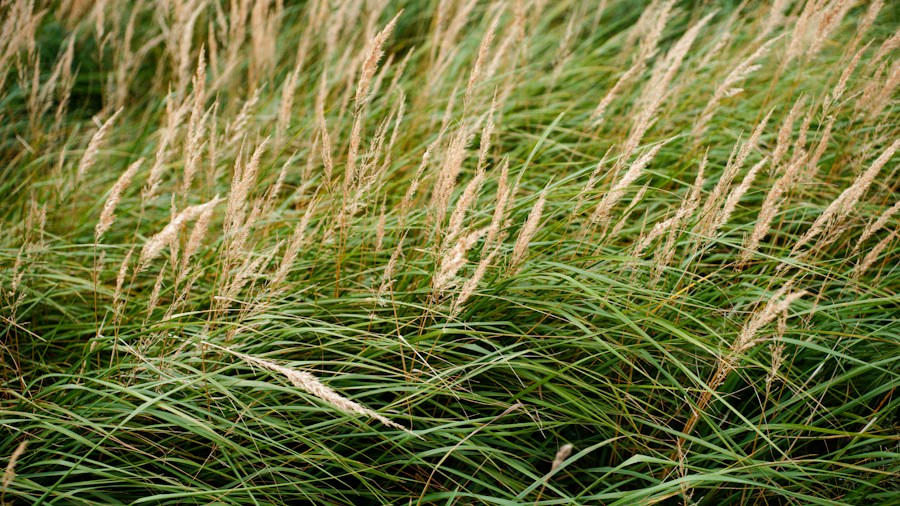
The owners specifically requested strong autumn color and texture, influenced by their love of fall tones. The planting design emphasizes seasonal interest through carefully selected ornamental grasses and perennials. Burning bush (Euonymus alatus ‘Compactus’) provides bright red fall foliage with an attractive multi-stem structure. Miscanthus ‘Beth Chatto’ offers soft screening and harvest-like brown tones as temperatures drop.
Blue leadwood, or Ceratostigma plumbaginoides, emerged as a client favorite for its rare vibrant blue flower color and reliable fall performance. Ornamental grasses and perennials work together to extend season interest from autumn through spring, with evergreens providing structural backbone during dormant months. This layered approach ensures the garden remains visually engaging and supportive of wildlife across all four seasons.
Design Flexibility Leads to Better Outcomes
The actual garden design differed from the original vision. The initial concept featured a formal linear pond positioned to reflect a mature birch tree visible from the house. However, existing drainage systems and underground utilities made that design impractical. The landscape architect pivoted to a circular pool configuration that ultimately proved more versatile and wildlife-friendly than the original rectangular plan.
This flexibility highlights an important lesson for homeowners: rigid adherence to initial concepts sometimes prevents better solutions. The circular pool, combined with retained existing ponds, created a more robust aquatic ecosystem than the single formal feature would have provided. The project retained existing plants including fig trees, raspberries, and lily of the valley, preserving sentimental elements while building something new.
What This Means for Homeowners
This garden redesign reflects broader consumer trends toward sustainable, multifunctional outdoor spaces. Rather than viewing gardens as purely decorative, homeowners increasingly want to support local ecosystems, produce their own food, and create peaceful retreats from busy modern life. Natural pool systems, edible hedgerows, native plantings, and wildlife habitat features represent practical ways to achieve all three goals simultaneously.
For shoppers considering garden improvements, this example suggests asking different questions than traditional garden planning prompted. Instead of “What will look beautiful?” consider “What will support wildlife?” and “What can this space produce?” A comprehensive redesign combining swimming, growing, entertaining, and natural habitat features creates a more valuable outdoor asset than any single element could alone. As climate concerns and wellness priorities reshape consumer choices, the garden as personal sanctuary and ecological contributor represents a meaningful evolution in how Americans use outdoor space.












Write Your Review
No reviews yet. Be the first to share your experience!