

Apple’s October announcement of its smart thermostats, developed in collaboration with LG and Schneider Electric, signals a fundamental shift in how climate control devices are marketed and sold to homeowners. Rather than positioning these units as specialized HVAC equipment, Apple is presenting them as consumer electronics that sync seamlessly with iPhones and integrate into the broader Apple Home ecosystem. This move raises important questions about what it means for your next thermostat purchase and how the industry will evolve.
The Thermostat is No Longer Just HVAC Equipment
Historically, thermostats were sold, installed, and explained by HVAC contractors who worked with equipment manufacturers. The thermostat served as the homeowner’s primary touchpoint with their heating and cooling system, and contractors wielded significant influence over which brand you purchased. That dynamic has been shifting for years. The 2011 launch of Nest deliberately bypassed traditional HVAC distribution channels by marketing directly to tech-savvy consumers. Apple is accelerating this trend by framing the thermostat as one piece of a consumer electronics ecosystem rather than as specialized HVAC equipment.
When you purchase Apple’s new thermostat, you are not buying it because of its compatibility with your specific furnace or compressor. Instead, you are buying it because it works with your iPhone. There is no LG or Schneider app to learn. Everything happens through Apple Home on your device. Other manufacturers have begun launching smart thermostats of their own, but Apple’s approach represents a fundamental reframing of what a thermostat is: a consumer gadget first, HVAC equipment second.
What This Means for Your Purchasing Decisions
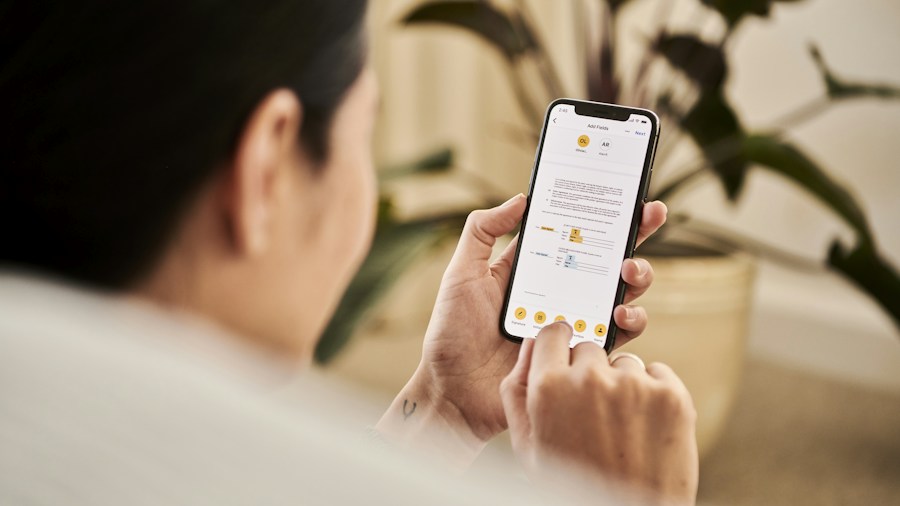
The shift away from contractor-led recommendations introduces new considerations for homeowners. In the past, if your HVAC contractor recommended an ecobee or Copeland thermostat based on years of experience and compatibility with your equipment, you would likely follow that advice. Now, many homeowners may choose a thermostat simply because it integrates with their iPhone, regardless of their contractor’s recommendations or the thermostat’s specific features.
Apple is also marketing these devices as DIY-friendly, meaning some customers may attempt installation without professional help. While this can save money upfront, it may create complications if something goes wrong. The easier tech companies make HVAC appear, the more likely you will eventually call a contractor to fix an issue, but by then you may face higher costs.
Consider too that many HVAC manufacturers are designing equipment that works best with proprietary controls. A third-party thermostat might make your system heat and cool, but using something outside the manufacturer’s ecosystem could mean forgoing premium features you paid for when you bought your equipment.
The Broader Industry Implications
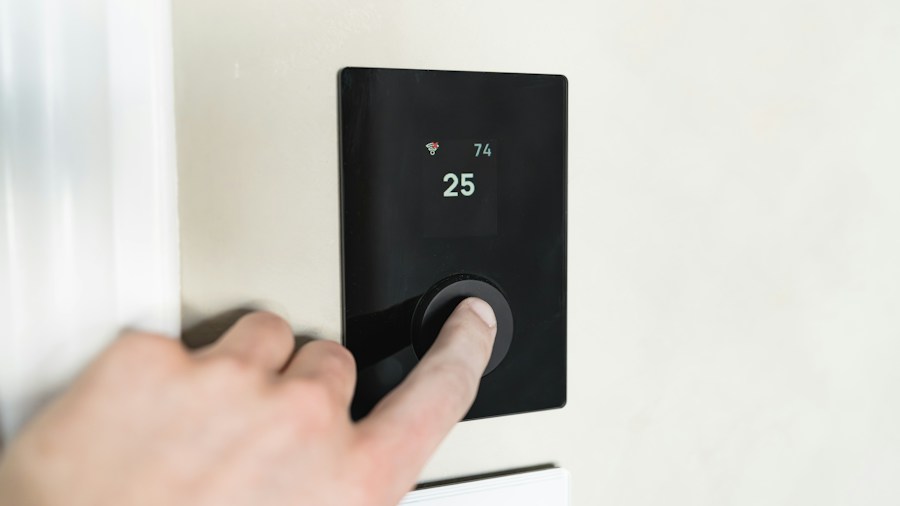
This shift has consequences beyond your personal purchase. Contractors may find themselves less able to influence which thermostat a customer buys, particularly when that customer is devoted to Apple’s ecosystem. Distributors that have traditionally supplied HVAC contractors with controls from established manufacturers may face pressure to stock brands from outside their traditional relationships. Manufacturers themselves risk becoming invisible to homeowners, much like computer processors that do critical work but never appear on the consumer’s radar.
When you interact with an Apple thermostat on your phone, you see Apple’s interface, Apple’s energy insights, and Apple’s temperature recommendations. The actual HVAC system hidden in your basement, which is doing all the heating and cooling work, becomes background infrastructure you rarely think about. For manufacturers, this loss of consumer attention represents a genuine threat to brand loyalty and influence over the customer experience.
What Buyers Should Do Now
If you are shopping for a thermostat, think carefully about your priorities. Do you want deep integration with your iPhone and Apple Home, or do you prioritize compatibility recommendations from your HVAC contractor? Are you planning to install it yourself or hire a professional? What features matter most: learning your patterns, energy savings tracking, or remote access?
Before purchasing, confirm that any thermostat you choose will work well with your current HVAC equipment and won’t disable features built into that equipment. Ask your contractor which thermostats they recommend and why, even if you ultimately choose something different. Understanding the reasons behind their suggestions helps you make an informed decision.
The thermostat market is evolving into a space where consumer technology preferences now rival technical HVAC considerations. Knowing this shift is happening puts you in a better position to make choices that align with your priorities and avoid costly mistakes.










Write Your Review
No reviews yet. Be the first to share your experience!