

What Shoppers Need to Know About Tension-Based Curtain Rods
Hanging curtains in a rental property or temporary living space has long posed a challenge for tenants who want to avoid damage to walls and ceilings. A growing number of shoppers are now turning to tension-based curtain rods as an alternative to traditional drilling and mounting hardware. These products use vertical tension rods that extend from floor to ceiling, creating a sturdy frame from which heavy curtains can hang without requiring any wall fasteners or adhesive strips.
The appeal is straightforward: renters can add privacy and style to their living spaces without jeopardizing their security deposit. However, the benefits extend beyond rental situations. Homeowners, apartment dwellers, and anyone seeking a flexible, damage-free solution are discovering that these tension rod systems offer versatility and strength that traditional Command strips cannot match.
How Tension Rod Curtain Systems Work
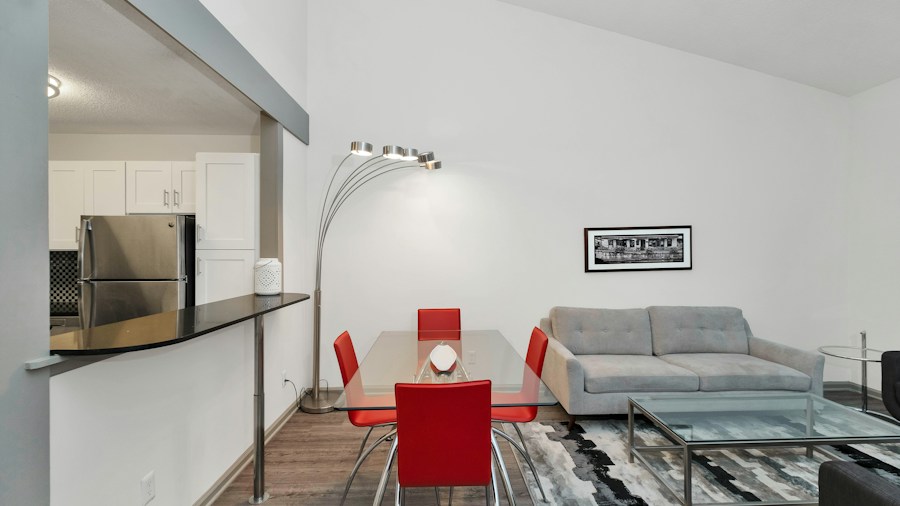
Unlike conventional curtain rods that require brackets, anchors, and drilling into walls, tension-based systems operate on a different principle. Vertical tension rods are positioned at two points, typically where the wall meets the floor and ceiling. Once secured, they create a stable vertical frame. A horizontal curtain rod then hangs from this frame, capable of supporting substantial weight without any fasteners touching your walls.
One popular example available online carries a 4.4-star rating from nearly 2,000 customer reviews and retails for approximately $30. According to shoppers, this type of system offers more than 5 feet of curtain coverage and can hold up to 40 pounds, making it suitable for heavyweight fabrics. The adjustable design accommodates ceilings up to 10 feet tall, and the steel bars come in multiple finishes and size options to match different decor styles.
Real-World Applications Beyond Basic Privacy
While privacy enhancement remains the primary use case, customers have discovered numerous alternative applications for these curtain systems. In studio apartments and smaller living spaces, strategic curtain placement has been shown to create visual separation and can even give the appearance of additional rooms or four-poster beds.
In-home offices have become another popular location for installation, allowing remote workers to create defined workspaces or block out distractions. Dorm room residents frequently use these systems to partition shared spaces, and one customer noted that the freestanding design means placement is only limited by ceiling height and wall position.
Some shoppers have extended these systems outdoors, using them on patios and balconies for weather-resistant privacy screening. One reviewer reported that two 92-inch curtain panels survived a tropical storm with no issues, provided the tension rods are secured tightly with blocks underneath for added stability.
Plant Display and Lighting Solutions
Creative shoppers have repurposed tension rod curtain systems for indoor gardening and plant display. By positioning the frame near a window and using S-hooks or hanging baskets, homeowners can create a vertical plant wall without drilling holes. For spaces with limited natural light, rechargeable grow lights can be attached between the hooks or affixed using magnetic connections.
This dual-purpose application appeals particularly to plant enthusiasts who need flexible, adjustable display options. As curtain accessories and displays continue to evolve, these multipurpose systems are gaining recognition for their adaptability beyond traditional window treatments.
Important Considerations Before Purchasing

While customer satisfaction rates remain high, a few limitations warrant attention. The tension rods can damage popcorn ceilings due to the pressure required to keep them stable. Shoppers with textured ceilings should test the installation carefully before fully committing. Additionally, homes with children or pets should verify that the system remains stable against bumping or leaning, as safety is paramount.
The 40-pound weight capacity means heavy velvet or blackout curtains are suitable, but overloading should be avoided. Users should also test their specific ceiling and floor conditions to ensure proper grip and stability. As curtain options expand with new colors and textures, knowing your system’s limits helps you select appropriate fabrics.
Why Renters and Homeowners Are Making the Switch
The popularity of tension-based curtain rods reflects a broader shift toward renter-friendly home improvements and flexible living solutions. For tenants, these systems provide peace of mind and genuine privacy without the anxiety of wall damage. For homeowners, they offer an easy update that requires no tools or specialized skills.
At roughly $30 per unit, the investment is modest compared to traditional curtain rod installation or damage repair. The multiple finish options ensure compatibility with various decor styles, from modern to traditional. As more shoppers prioritize flexibility and damage prevention, tension rod curtain systems are becoming a mainstream choice for privacy and style.








Write Your Review
No reviews yet. Be the first to share your experience!