

Why Vinyl Siding Needs Regular Cleaning
Vinyl siding can maintain its appearance for decades when properly maintained, but dirt, debris, and environmental contaminants accumulate faster than most homeowners realize. Over time, UV rays leave a chalky film on the surface, pollen drifts onto your exterior, rain splashes dirt upward, and bird droppings create stubborn stains. Algae and mildew thrive in shaded or damp areas, turning once-pristine panels green or black. Rather than hiring a professional pressure washing company, you can tackle this project yourself with basic tools and the right approach.
Tip 1: Start With a Dry Surface Cleanup
Before applying any water or cleaning solution, remove loose dirt and debris by hand or with a soft cloth. This preparatory step prevents transferring grime into your cleaning bucket and keeps your solution effective longer. Think of it like sweeping before mopping indoors.
Tip 2: Choose a Gentle Homemade Cleaning Solution
The gentlest options are often the ones you make at home. A simple mixture of dish soap and water works effectively for routine cleaning. For tougher buildup, combine 70 percent water with 30 percent white vinegar. The vinegar cuts through mold and mildew without damaging the vinyl or harming surrounding plants and grass. Avoid harsh commercial cleaners not specifically formulated for vinyl, as they risk discoloration or deterioration.
Tip 3: Use a Garden Hose With a Sprayer Attachment
Begin by spraying your siding with a standard garden hose fitted with a sprayer nozzle to dislodge loose dirt and spiderwebs. In many cases, this pressure alone removes surface dust and debris. If your siding is in good condition, this preliminary rinse may be all the cleaning you need. Working from the top down ensures that gravity carries water and contaminants downward rather than pooling in already-cleaned areas.
Tip 4: Scrub With Soft Bristles and Gentle Pressure
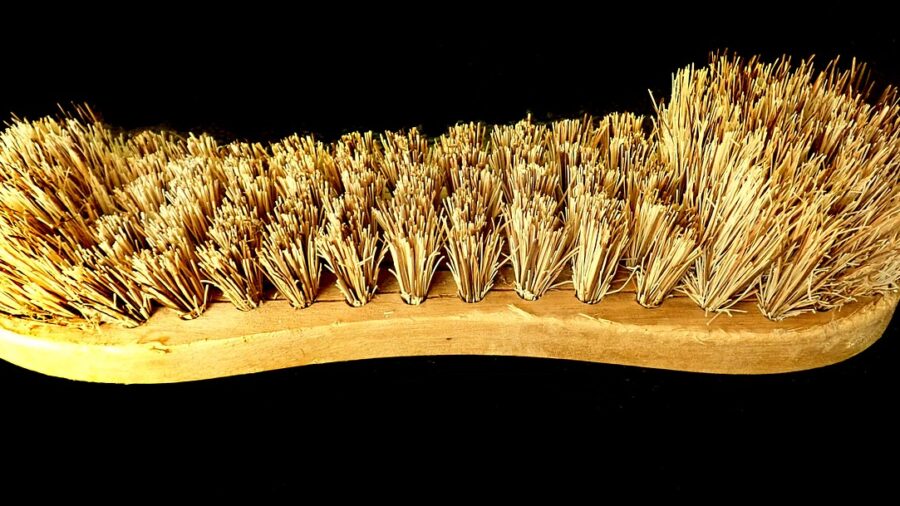
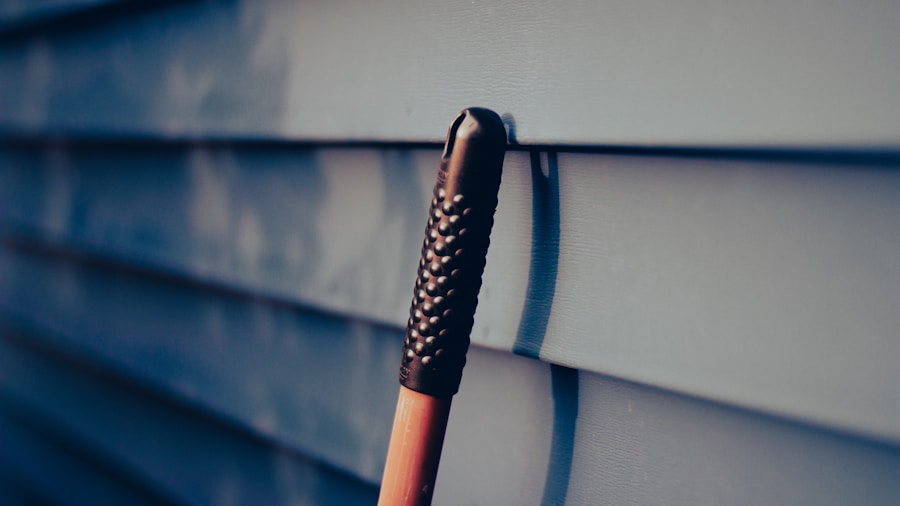
Use only soft-bristled brushes or sponges to avoid scratching the vinyl surface. Metal brushes or abrasive scrubbing pads damage siding permanently. For hard-to-reach upper sections, invest in a brush with a telescoping handle, which can extend as far as 30 feet. Keep a smaller handheld brush nearby for ground-level nooks and crevices. When scrubbing, apply gentle but consistent pressure, focusing only on removing visible dirt rather than aggressively attacking the surface. Always work from top to bottom so soapy water runs downward and cleans fresh sections below.
Tip 5: Rinse Thoroughly From Top to Bottom
After scrubbing each section, rinse immediately with your garden hose sprayer. Continue working top to bottom to prevent dirty rinse water from flowing over clean areas. Avoid spraying at an upward angle, which forces water behind the siding panels and can cause moisture damage. While most homemade cleaning solutions are safe for landscaping, consider protecting nearby shrubs or plants as a precaution. As you rinse, inspect the siding for cracks, holes, or gaps that may require future repairs.
Tip 6: Tackle Stubborn Stains With Targeted Care
Difficult stains sometimes require extra effort. If gentle scrubbing doesn’t work, use a slightly more abrasive sponge on that specific spot, but always test it on an inconspicuous area first. For mold and mildew, a bleach mixture of 1/2 cup bleach per gallon of water works effectively: spray the affected area, let it sit for 15 minutes, scrub lightly, and rinse. If you prefer to protect nearby plants, use oxygen-based bleach instead, which kills mold without harming vegetation. When repairing damage you discover, consider reliable caulk guns for sealing gaps and preventing future water intrusion.
Tip 7: Know When to Call a Professional
Multi-story homes with extensive surface area, numerous ladders required, and complex architectural details are safer and more efficiently cleaned by professionals. If you feel uncomfortable working at height or cannot safely access certain areas, hire a specialized pressure washing company instead. Professional crews have the expertise to use pressure washing correctly, adjusting nozzles and distance to clean without damaging vinyl.
Timeline and Skill Level
This project typically requires 2 to 4 hours depending on your home’s size and the amount of buildup present. It is a beginner-level task requiring no special experience or expertise. Your total cost runs between 20 and 30 dollars for basic supplies, making DIY cleaning far more economical than professional services.
Keeping vinyl siding clean protects your investment and maintains curb appeal without expensive contractor fees. By following these seven practical tips and prioritizing gentle cleaning methods, your siding will remain attractive and durable for many years to come.











Write Your Review
No reviews yet. Be the first to share your experience!