

A new furniture hybrid is changing how apartment dwellers approach lighting and storage in compact living spaces. The Nook Stack combines a three-tier wooden bookshelf with an integrated floor lamp, merging two traditionally separate purchases into a single intentional piece. For renters and homeowners working with limited square footage, this dual-function design solves a common problem: fitting both adequate lighting and book storage without doubling the footprint.
Why This Matters for Your Space
Most homes treat lighting fixtures and shelving units as independent decisions. You buy a floor lamp one day, a bookshelf another, and hope they complement each other when placed side by side. The Nook Stack eliminates that negotiation entirely. By stacking functionality vertically rather than spreading it horizontally, the unit becomes essential for urban apartments where every piece of furniture must justify the floor space it claims.
The shelving component does genuine work beyond visual appeal. Three solid wood tiers rest on slender metal poles, creating display and storage space for books, candles, small plants, or decorative objects without requiring a separate side table. The vertical stacking design means the piece grows upward, leaving your floor plan more open and flexible. At 39 by 26 by 9 inches, it occupies a footprint closer to a narrow bookshelf than a traditional floor lamp, making it ideal for slipping beside a sofa or functioning as a subtle room divider between a living area and entryway.
The Lighting Design Makes a Real Difference
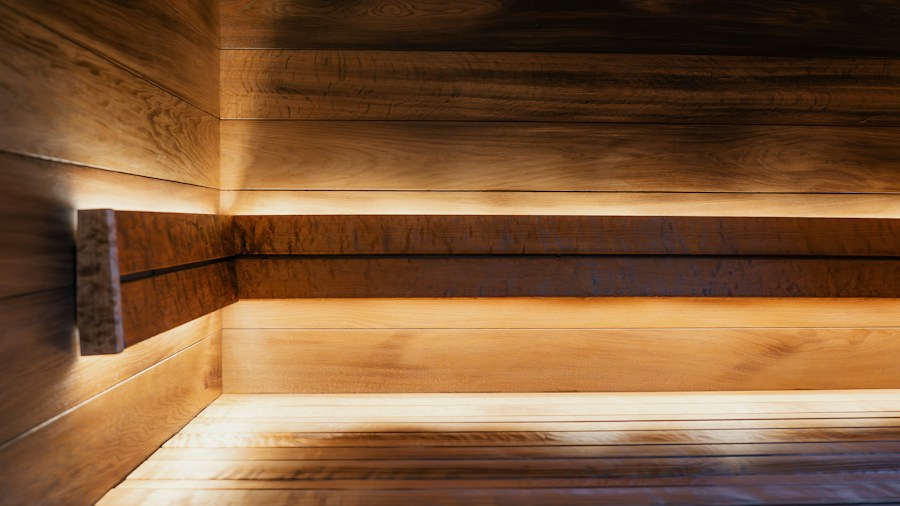
The top of the unit features a ribbed acrylic light diffuser that transforms how the bulb’s light distributes throughout a room. Instead of creating a single bright spot or harsh glare, the fluted design splits the light source into individual glowing lines that scatter brightness evenly. This scattering effect delivers ambient, warm illumination across the unit’s length, avoiding the hot spots that bare bulbs or plain shades typically create.
The positioning works well for reading and relaxation. Sitting at eye height when you are settled on a nearby sofa with a book, the light bar washes the immediate area with warm glow without requiring overhead ceiling fixtures or clip-on reading lamps. The brightness level suits slow evenings, dim enough to accommodate a group of people talking on cushions, yet bright enough to actually read by. Many homeowners struggle to find that balance between ambient mood lighting and functional brightness, making this design particularly useful for living rooms that serve multiple purposes.
Material and Build Quality
The construction emphasizes warmth over stark industrial minimalism. Satin-finish rubberwood forms the shelves and structural end caps, paired with powder-coated aluminum poles that keep the entire unit lightweight without appearing utilitarian. The frosted acrylic light housing and its internal linear LED tube were specifically selected to diffuse light rather than expose the bulb, ensuring a soft glow from every angle in the room.
This material approach matters for durability and aesthetic appeal. The rubberwood provides the warmth and texture that makes shelving feel welcoming rather than purely functional, while the aluminum poles deliver structural strength without visual heaviness. The frosted acrylic diffuser softens the light quality in a way that cheaper plastic or bare bulb fixtures simply cannot achieve. If you’re tired of the plastic look of discount lighting, this attention to material quality becomes noticeable the moment the lamp is switched on.
How It Compares to Traditional Approaches
Previous approaches to combining lighting and storage required compromise. You might invest in a high-quality floor lamp and accept limited shelf space nearby, or choose open shelving and settle for poor lighting in that corner of your room. Some people resort to budget shelf hacks that mimic built-in designs, but still need separate lighting solutions. The integrated approach eliminates these tradeoffs by making lighting and storage reinforce each other functionally and visually.
The piece ultimately argues that lighting and storage do not need to compete for attention in a room already crowded with furniture decisions. When stacked into one thoughtful object, they start reinforcing each other instead. The shelves give the light somewhere to shine down onto, and the light gives the shelves a reason to glow after dark rather than fade into the room’s background. For anyone who values both form and function, this integrated design signals a shift toward smarter furniture that works harder in less space.







Write Your Review
No reviews yet. Be the first to share your experience!