

A century-old sunken garden in Wilmette, Illinois tells the story of thoughtful landscape design that has endured through generations. Built in 1923 to connect two neighboring Italianate-style homes commissioned by sisters Helen Bichl and Dorothy Schager, this formal garden showcases design principles that remain relevant for today’s homeowners planning their own outdoor spaces.
The Story Behind the Garden
The two homes were designed by renowned architects George W. Maher and his son Philip, built on the family property after their father Wendelin Seng, a successful furniture-hardware manufacturer, decided to establish a unique living arrangement for his daughters. The original estate was ambitious in scope, featuring not only the connected garden but also tennis courts, a swimming pool, and an underground tunnel linking the two houses. This comprehensive approach to outdoor living demonstrates how strategic garden planning can enhance an entire property’s value and enjoyment.
Design Elements That Stand the Test of Time
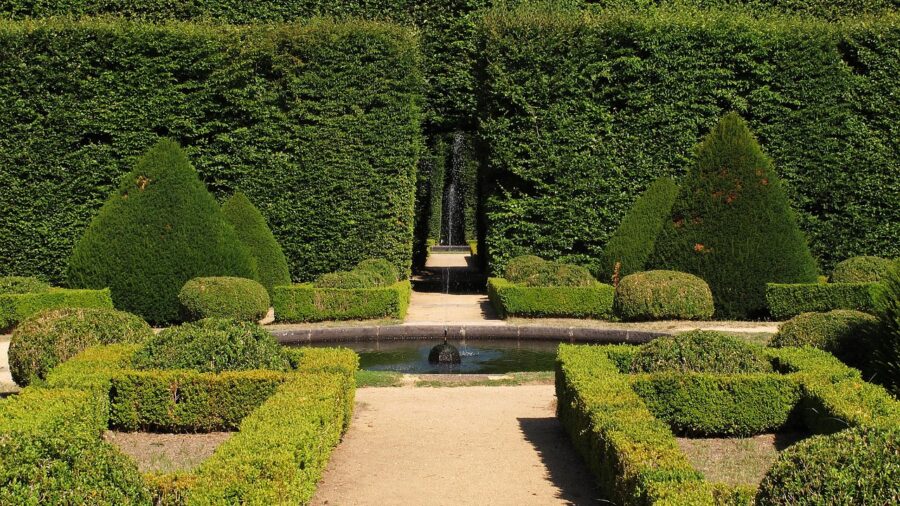
What makes this garden remarkable is its commitment to formal structure combined with abundant planting. The landscape features carefully clipped boxwood hedges that line gravel pathways, creating clear sightlines and visual organization throughout the space. Russian sage, roses, and flowering perennials fill the beds on both sides of the garden, with the planting repeated to create unity across the landscape.
The upper and lower portions of the sunken garden are connected by stone staircases, with stone terraces overlooking the entire composition from each home. These hardscape elements are just as important as the plants themselves. Concrete urns positioned near the houses complement the stonework, while a weathered birdbath and stone wall covered in creeping sedum add visual interest and texture. Choosing plants that display seasonal interest ensures your garden remains attractive year-round, much like this historic landscape.
Plant Combinations Worth Copying
The designers repeated specific plant pairings throughout the garden to create rhythm and cohesion. Woodland sage paired with lady’s mantle appeared in multiple beds, demonstrating how thoughtful repetition strengthens garden design without creating monotony. Astilbe in shaded areas provides delicate foliage texture, while the dense planting on the slopes creates a full, mature appearance.
These perennial and shrub combinations are valuable lessons for gardeners planning their own spaces. Rather than scattering plants randomly, grouping them strategically creates stronger visual impact and often means easier maintenance. Transitional plantings between seasons ensure your garden looks polished throughout spring, summer, fall, and winter.
Practical Lessons for Your Garden
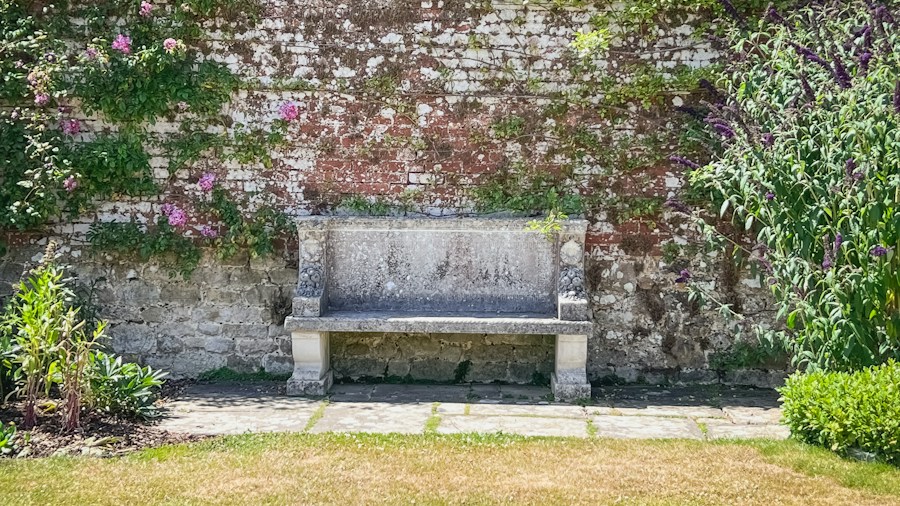
While most homeowners won’t have an estate garden spanning multiple acres, the principles demonstrated here apply at any scale. First, invest in good hardscape design: gravel paths, stone walls, and terraces provide structure that makes a garden feel intentional and well-maintained. Second, choose a limited plant palette and repeat it throughout your space. This approach saves money at purchase time and creates a cohesive, designed appearance.
Third, consider how your garden will be experienced from your home. The terraces overlooking this sunken garden provide multiple vantage points and create a sense of connection between indoors and outdoors. Even a modest backyard benefits from thoughtful sightline planning.
The presence of a waterfall tucked beneath evergreens and quiet seating areas demonstrates another important principle: a well-designed garden should offer variety and surprise. As you move through the space, new views and destinations encourage exploration and create reasons to spend time outside.
Why This Garden Still Matters
Over a century after its creation, this historic garden continues to inspire visitors precisely because its design prioritizes timelessness over trends. The bones of the garden, established through hardscape and structure, remain beautiful even as individual plants age or require replacement. When planning your own garden, think about what elements will endure and provide lasting value. Proper drainage and maintenance access ensure your garden investment stands strong through decades of seasonal changes.
For gardeners interested in exploring beautiful landscapes in person, local garden clubs often organize walks featuring private gardens open to the public. These events provide valuable opportunities to study design firsthand and connect with other gardeners passionate about their outdoor spaces. Whether you’re planning a major redesign or making incremental improvements to your current garden, the principles demonstrated in this 1923 landscape remain as relevant today as they were a century ago.










Write Your Review
No reviews yet. Be the first to share your experience!