

Dry sinks, once essential kitchen fixtures before indoor plumbing became standard, are experiencing a remarkable resurgence in popularity among homeowners and interior designers. These charming vintage pieces offer far more than just nostalgia: they provide practical storage solutions with authentic character that modern furniture often cannot match. For shoppers navigating tight spaces and seeking alternatives to mass-produced cabinetry, dry sinks present an affordable and stylish answer worth considering.
Understanding the Dry Sink and Its Modern Appeal
A dry sink is a freestanding wooden cabinet that historically held a washbasin and pitcher for cleaning dishes and food preparation. The typical structure features an open trough or well on top, with enclosed storage compartments below featuring doors and shelving. While their original function has become obsolete, their sturdy construction and timeless design make them remarkably versatile for contemporary homes.
What sets dry sinks apart from current furniture trends is their inherent functionality and durability. Unlike trendy pieces that may need replacement in a few years, vintage dry sinks were built to withstand heavy use. They combine solid wood construction with practical storage capacity, creating pieces that serve multiple purposes while adding character to any room. As shoppers increasingly seek sustainable alternatives to new furniture, vintage options like dry sinks align perfectly with environmentally conscious buying decisions.
Creative Ways to Repurpose Dry Sinks in Modern Homes
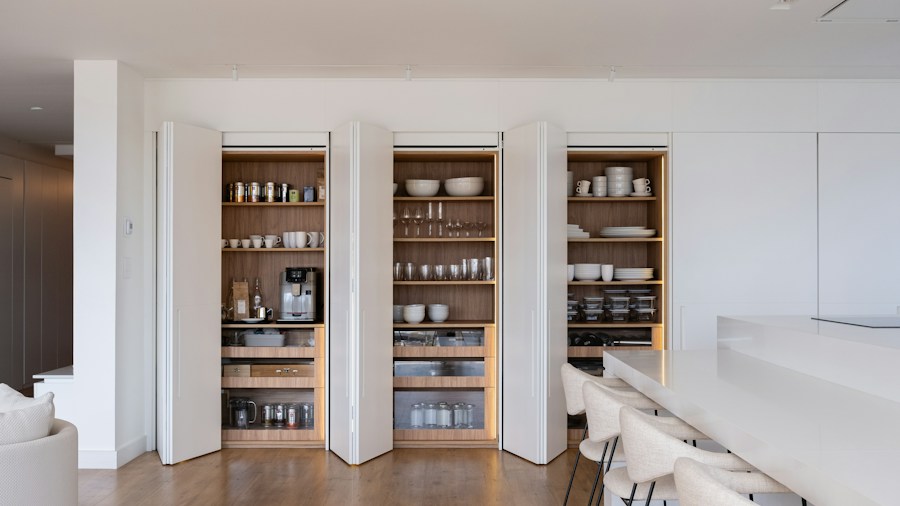
The versatility of dry sinks makes them suitable for nearly every area of your home. In kitchens, they function beautifully as standalone storage for appliances, serving pieces, and pantry overflow. Many homeowners use the shelving below to hide pet food supplies or kitchen essentials while displaying decorative items on the open top surface. This dual-purpose approach maximizes storage without requiring permanent installation or renovation.
Beyond the kitchen, dry sinks work equally well as bathroom vanities when retrofitted with appropriate plumbing fixtures. Some shoppers place them in entryways as statement pieces that replace conventional console tables. Others use them as bar cabinets in living areas, storing glassware and spirits behind closed doors. Furniture arrangement experts note that freestanding pieces like these break up the monotony of built-in cabinetry, adding visual interest and flexibility to room layouts.
Outdoor applications offer another dimension to dry sink functionality. Converting a dry sink into a potting bench provides organized storage for gardening supplies, soil, hand tools, and planting vessels. The trough naturally contains mess while working with plants, then easily transforms into a display surface for finished greenery. This flexibility demonstrates why vintage furniture shoppers find dry sinks so appealing.
Finding and Purchasing Dry Sinks
One of the biggest advantages of dry sink shopping is accessibility and affordability. Quality examples regularly appear on Facebook Marketplace, Craigslist, Etsy, and specialty vintage platforms. Auction houses and antique dealers throughout the country stock these pieces year-round, with prices varying based on age, wood type, and condition. Many shoppers find excellent options for under $200, particularly when purchasing from estate sales or secondhand sources.
Local antique shops and vintage furniture specialists often have refined collections of dry sinks in various styles. Regional antique markets and auctions provide opportunities to examine pieces in person before purchasing. For those preferring online shopping, detailed photographs and seller descriptions help evaluate condition and authenticity. As furniture color trends continue evolving, vintage pieces offer timeless aesthetics that transcend seasonal style changes.
Why Shoppers Should Act Now
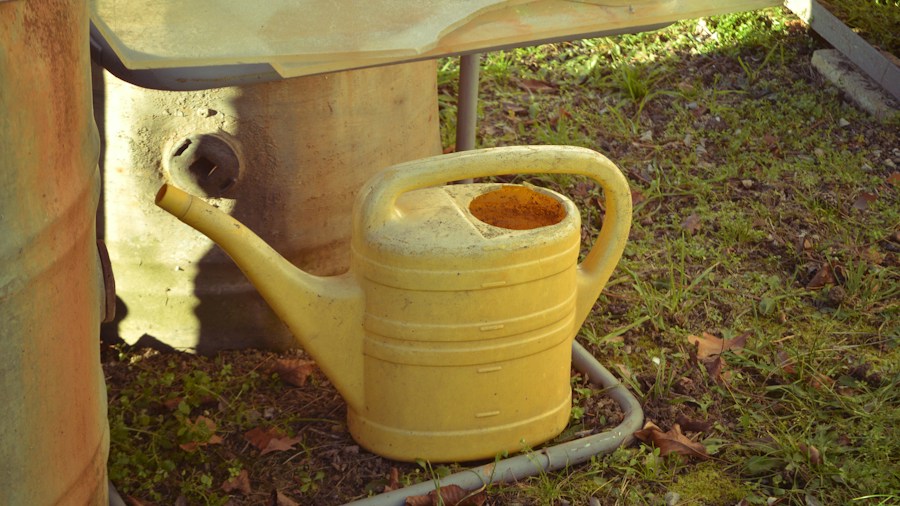
Demand for vintage storage furniture has increased noticeably, particularly among younger homeowners and urban dwellers facing space constraints. This growing interest suggests availability may tighten as more shoppers discover dry sinks’ practical benefits. Early adopters who invest in these pieces now gain access to wider selection and better pricing than those waiting until the trend peaks.
The durability factor cannot be overstated. A well-maintained dry sink from the 1800s or early 1900s can outlast several generations of contemporary furniture. This longevity makes the purchase a genuine investment rather than a temporary style choice. Combined with modest pricing at secondhand venues, the cost-per-year of ownership becomes remarkably economical compared to disposable furniture alternatives.
Making Your Dry Sink Work
Before purchasing, measure your available space carefully and consider your primary use. Dry sinks vary significantly in dimensions, from compact pieces suitable for apartments to substantial pieces requiring ample floor space. Think beyond the obvious kitchen application and envision how a dry sink might serve your home’s unique layout and lifestyle needs. Quality furniture selections enhance both functionality and aesthetics, and dry sinks deliver on both counts.
For those uncertain about vintage purchases, starting with a smaller piece in excellent condition offers a low-risk introduction. As comfort and familiarity grow, larger or more elaborate dry sinks become viable options. This measured approach helps shoppers build confidence in sourcing and maintaining vintage furniture while enjoying immediate benefits from their purchase.









Write Your Review
No reviews yet. Be the first to share your experience!