

Interior designers have a unique challenge: they can’t just walk into a home and relax. Instead, they’re mentally cataloging every detail, from how far a sofa sits away from a rug to the height of wall art and the finish on cabinet hardware. While these observations might seem nitpicky, they reveal something important: small design choices make an enormous difference in how a room actually feels. The good news is that you don’t need a massive renovation budget to apply these principles. By focusing on a few key furniture and decor decisions, you can transform a space from ordinary to thoughtfully designed.
1. Stop Floating Your Furniture in the Middle of the Room
One of the most common mistakes homeowners make is positioning furniture too far from walls or leaving pieces scattered without intention. When furniture floats awkwardly in a room, it disrupts the visual flow and makes the space feel incomplete. Instead, anchor your key pieces intentionally. Pull furniture into conversation groupings, position seating to face a focal point like a fireplace or window, and ensure there’s enough clear floor space for people to move comfortably. A well-arranged room invites you in rather than making you navigate an obstacle course. This is especially important with larger pieces like sectionals or bedroom furniture, which set the tone for the entire layout.
2. Think About Proportion and Scale
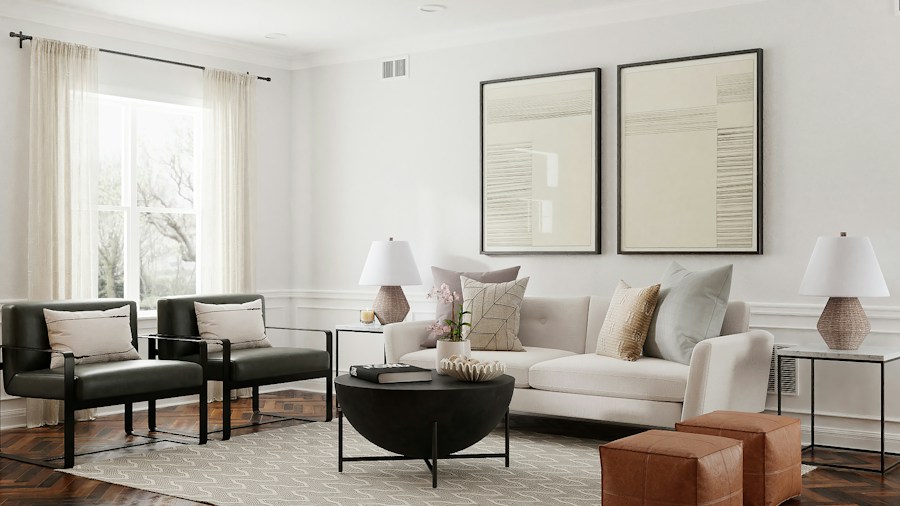
Furniture that’s too large for a space swallows the room, while pieces that are too small get lost. Before purchasing any major furniture item, measure your space carefully and visualize how the piece will interact with everything else. A sofa should be appropriately sized for your seating area; an accent chair should feel connected to the arrangement rather than isolated. This is where restraint matters enormously. Many people assume that filling every corner makes a room feel complete, but the opposite is true. Choosing versatile, multi-functional furniture pieces allows you to maintain good proportions while maximizing usability. A beautiful sofa deserves breathing room to be appreciated; cramming it between three other pieces diminishes its impact.
3. Mix Styles Instead of Matching Everything
The temptation to buy an entire matching furniture set is strong, but it often results in a soulless showroom feel rather than a lived-in home. Designers instead embrace contrast: an antique chest beside a contemporary sofa, a vintage lamp on a modern side table, polished brass hardware mixed with weathered finishes. These combinations create character and suggest a home that has been thoughtfully collected over time. You don’t need every piece of wood to be the same shade or every surface to coordinate perfectly. In fact, mixing finishes and styles is what separates a generic room from one that feels personal and intentional. The key is being deliberate about your choices so the overall aesthetic still cohesive.
4. Pay Attention to Hardware and Finishing Details
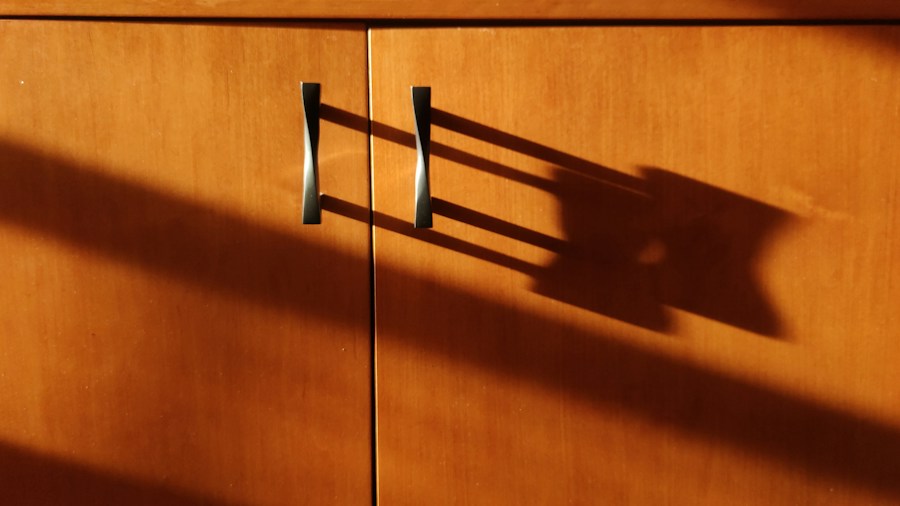
Door handles, cabinet knobs, switch plates, and trim profiles are rarely the first things people think about when furnishing a home, yet they have an outsized impact on how finished a room feels. Generic hardware can undermine an otherwise beautiful space, making even a well-designed kitchen or bedroom feel flat. Updating the small details on existing furniture is one of the easiest and most affordable upgrades you can make. When selecting new furniture or planning renovations, don’t leave hardware decisions for last. These details should feel connected to your overall design story, not like an afterthought. Quality hardware elevates the perception of quality in your entire space.
5. Create Layers in Your Design
Avoid the trap of thinking that everything needs to match to belong together. A room gains richness when you mix old and new, polished and worn, traditional and contemporary. Experimenting with budget-friendly furniture pieces and DIY approaches allows you to test different styles before committing to expensive pieces. This layered approach makes a space feel evolved and collected rather than purchased all at once from a single store. The most interesting homes have visual depth created through thoughtful contrasts.
6. Leave Space to Breathe
Before you buy that extra side table or additional accent chair, try removing something from your room instead. People need to move comfortably through a space, and the eye needs places to rest. Overcrowded rooms feel chaotic no matter how beautiful the individual pieces are. Every surface doesn’t need an accessory, and every corner doesn’t need to be filled. Sometimes the best design decision costs nothing at all and simply involves reorganizing what you already have.
These design principles aren’t about having a large budget or knowing all the latest trends. They’re about making intentional choices that create rooms feeling cohesive, comfortable, and genuinely considered. Start by addressing one or two of these areas in your home, and you’ll immediately notice the difference.









Write Your Review
No reviews yet. Be the first to share your experience!