

Hard Water Damage is Costing You Clean Laundry
If your clothes are coming out of the washing machine looking dingy or smelling off, hard water could be the culprit. Hard water contains minerals like calcium and magnesium that accumulate inside your washing machine over time, forming stubborn deposits that interfere with how detergent works. When mineral buildup prevents soap from dissolving properly, your clothes end up exposed to bacteria and trapped residue. This problem gets worse the longer you ignore it, eventually affecting every load you wash.
The good news: you don’t need expensive commercial descaling products to fix this issue. A simple kitchen ingredient that most shoppers overlook can eliminate hard water buildup effectively and affordably.
Why Citric Acid Works Better Than You Think
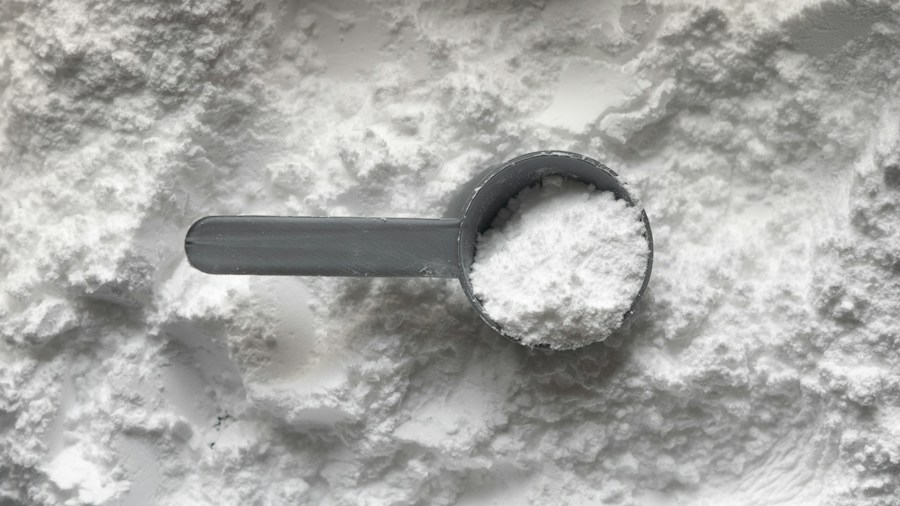
Citric acid is a mild, natural cleaning agent found in everyday items like lemons and limes. Unlike harsh chemical cleaners, citric acid poses no health risks and won’t harm the environment. What makes it exceptional for washing machines is its ability to bond with the mineral ions in calcium and magnesium deposits, breaking them down so they wash away completely. You can find citric acid in the canning section of most supermarkets or order it online for just a few dollars.
Many commercial appliance descalers contain citric acid as their primary ingredient, but you’re paying extra for unnecessary additives. By using pure citric acid, you get the same cleaning power at a fraction of the cost. The reason it works so well mirrors why regular maintenance of home appliances matters: prevention and proper cleaning techniques compound over time.
How to Clean Your Washing Machine with Citric Acid
For washing machines with a detergent compartment, the process is straightforward. Combine 2 teaspoons of citric acid with 1 teaspoon of baking soda directly in the detergent tray. Run a hot water cycle with the machine empty. Performing this treatment once monthly prevents future mineral buildup from taking hold.
If your washing machine lacks a detergent compartment, dissolve one quarter cup of citric acid in one cup of hot water. Pour this solution into the empty drum and run a hot water cycle. Follow up with a second empty cycle to rinse away all traces of the acid.
The rubber gaskets around the door are another common problem area where grime collects. Start by scrubbing the gaskets with a toothbrush dipped in white vinegar to remove visible buildup. Then use the same citric acid and baking soda combination in your detergent compartment and run a hot cycle. This two step approach tackles buildup you can see and the mineral deposits hiding deeper inside.
Out of Citric Acid? A Quick Alternative
Sometimes you run out of citric acid and want results right away. Powdered lemonade mix contains citric acid as a key ingredient. University extension programs recommend this approach for dishwashers struggling with hard water stains, and the same principle applies to washing machines. While not as concentrated as pure citric acid, lemonade powder can help in a pinch. Just keep citric acid stocked for more reliable and cost-effective regular maintenance, similar to how proper dishwasher practices prevent damage to your appliances.
What This Means for Your Laundry Budget
Hard water buildup doesn’t just make your clothes look worse. It forces your washing machine to work harder, potentially shortening its lifespan and leading to expensive repairs. By addressing mineral deposits early with citric acid treatments, you’re protecting your investment and ensuring every wash cycle performs at full strength.
Monthly descaling also means your detergent actually works the way it’s supposed to, reducing the temptation to use extra soap per load. Over time, this simple maintenance routine saves money on both appliance repairs and laundry products. For shoppers dealing with hard water, citric acid represents one of the smartest, most economical solutions available. Much like how outdated cleaning methods waste money and effort, relying on expensive branded descalers wastes resources when a better option exists in your local grocery store.











Write Your Review
No reviews yet. Be the first to share your experience!