

A Brooklyn-based interior designer recently turned an overlooked parking lot into a thriving community garden that now serves as a gathering space and wildlife hub for residents and neighbors. The project began when a move to a new waterfront loft meant leaving behind a beloved rooftop garden. What started as reclaiming an overgrown, neglected outdoor area has evolved into a multi-year initiative that demonstrates how homeowners and building communities can transform underutilized spaces into green destinations.
The Challenge That Became an Opportunity
When the designer first surveyed the abandoned parking lot at her Red Hook building, she recognized potential where others saw only weeds and decay. Within a week of launching a fundraiser to support the project, neighbors contributed enough resources to launch the transformation. The space, spanning an entire city block along the waterfront, required a strategic, phased approach to development and planting.
The location presented unique design challenges. The proximity to water meant exposure to strong winds, and the surrounding industrial architecture demanded plantings that would complement rather than clash with the hard edges of concrete and glass. The designer drew inspiration from successful urban green spaces like Brooklyn Bridge Park and the New York High Line, focusing on native plants and perennials that would thrive in the urban environment.
Plant Selection and Year-Round Color
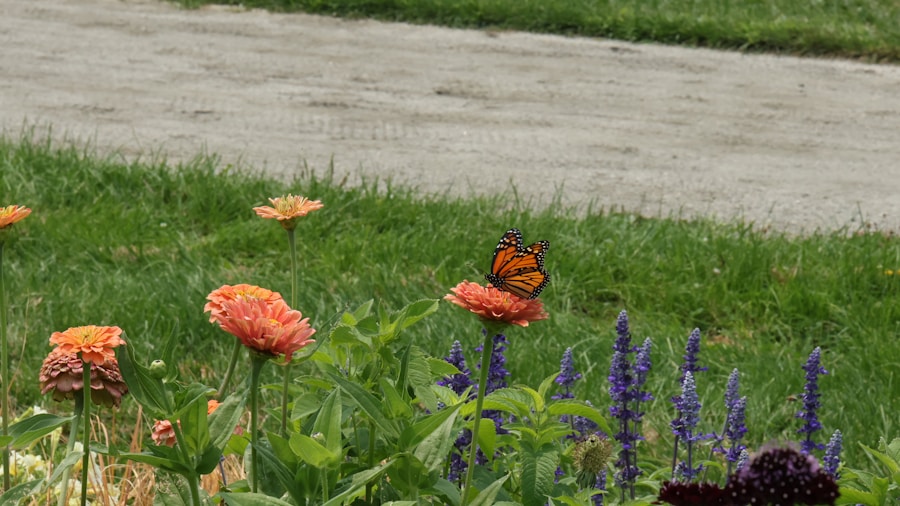
Rather than following traditional garden design training, the designer applied her interior design expertise to create a living landscape. She mixed tall shrubs like butterfly bush with shorter varieties such as Nepeta ‘Junior Walker’ to establish dynamic height and movement throughout the beds. A careful color palette evolved to avoid monotony: purples contrast with pinks, yellows of echinacea, rudbeckia, and yarrow.
The planting scheme was designed with seasonal progression in mind. Spring brings an explosion of colorful tulips, summer highlights delicate mulberry fruits, and fall showcases Japanese maples and additional flowering plants preparing for dormancy. This approach mirrors layered border design principles that create high-impact seasonal interest, ensuring the garden offers visual interest throughout the year rather than peaking at a single time.
Wildlife and Community Benefits
The garden has become a haven for pollinators and birds. Monarch butterflies regularly visit the flowering borders, while native plantings have attracted bees, birds, and other wildlife to this concrete-surrounded space. Residents report seeing their pets pause to enjoy the flowers, and families use the garden as a recreational outdoor space in the heart of an urban neighborhood.
Beyond visual appeal, the project created unexpected social benefits. The initial hand-watering phase before irrigation installation became a meditative practice for residents, fostering community connection. Before smart irrigation systems were installed to reduce the watering burden, rotating water duty among neighbors became a bonding opportunity.
Practical Solutions to Urban Gardening Problems
Maintaining a community garden in an urban setting required addressing real obstacles. When aphids infested birch trees, professional pest management became necessary to prevent widespread damage. The designer’s prior experience with rooftop gardening helped her recognize when quick action could prevent serious plant loss.
Extending irrigation across a 2,000-square-foot section of the garden posed engineering challenges that were ultimately solved by applying knowledge from previous kitchen and bathroom renovation projects. These problem-solving experiences highlight how different types of building knowledge transfer to garden management.
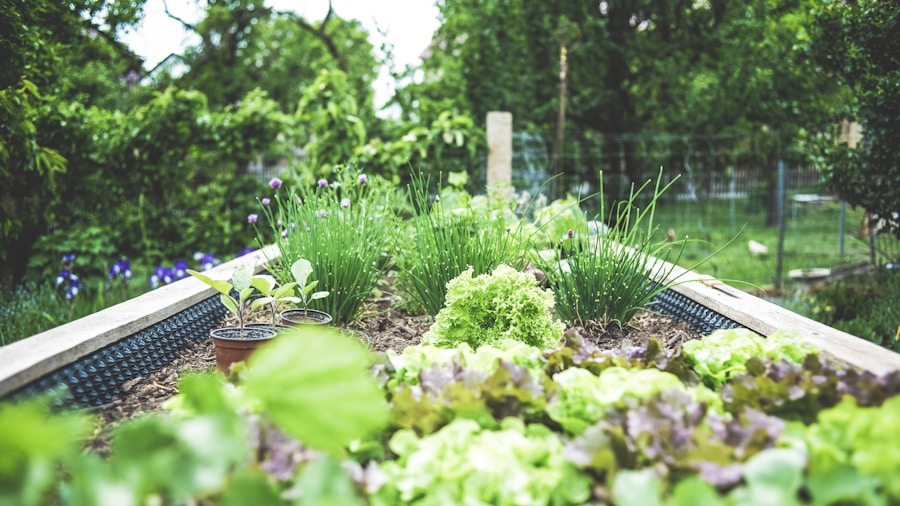
Future plans include introducing a kitchen garden with raised beds to protect vegetables from pests and rodents while managing exposure to waterfront winds. Growing herbs, tomatoes, peppers, and lettuce in raised beds offers better control and prevents soil-borne pest issues. Supporting beneficial garden wildlife while protecting crops requires strategic plant placement and garden structure, particularly in exposed urban locations.
Expanding the Vision
The project’s success has led to additional opportunities. The designer has been asked to create a planting style guide for the broader Red Hook neighborhood, compiling native plant recommendations and care instructions to help local businesses enhance their storefronts. A rooftop space with views of the Manhattan skyline and Statue of Liberty is currently under development and will eventually feature additional plantings.
Plans for seating areas and dining spaces would extend the garden’s function beyond a visual destination to a full recreational amenity. What began as a practical solution to reclaim wasted space has evolved into a neighborhood landmark that demonstrates community members’ hunger for green spaces and natural beauty in dense urban environments.
For homeowners and renters considering similar projects, this transformation shows that garden creation doesn’t require extensive horticultural training. Combining design principles, community enthusiasm, and willingness to adapt solutions to local conditions can produce results that exceed initial expectations.










Write Your Review
No reviews yet. Be the first to share your experience!