

Late summer heat puts real stress on the feathered visitors to your garden. While many people know to provide water, there are several other practical steps you can take to keep birds safe, fed, and comfortable during this challenging season. By making a few simple adjustments to your yard and feeding habits, you’ll attract more wildlife and help birds prepare for the cooler months ahead.
Keep Your Bird Bath Clean and Refreshed
A bird bath is one of the most valuable tools for summer bird care, but only if you maintain it properly. High temperatures and intense sunlight cause algae to build up quickly, and water evaporates much faster than you might expect. Birds need clean water for both drinking and bathing, so refreshing your bird bath daily is essential.
Beyond daily water changes, scrub the basin regularly to prevent algae accumulation. A copper penny placed in the bath works as a natural antimicrobial solution, or you can use a bird-safe cleaning product. Adding a solar-powered fountain creates gentle movement that keeps water fresher longer and gives birds a more appealing spot to bathe. Placing your bird bath in a shaded area helps preserve the water and provides birds with relief from direct sun exposure.
Allow Seedheads to Mature on Your Plants
As summer blooms begin to fade, resist the urge to deadhead everything in sight. Seedheads provide essential nutrition for birds heading into fall and winter. Plants like echinacea, rudbeckia, and sunflowers naturally attract seed-eating birds, while ornamental grasses offer additional foraging opportunities throughout the season.
Leaving seedheads also serves a secondary benefit: you can harvest seeds from certain plants for next year’s garden, reducing what you need to purchase. Store collected seeds in labeled containers kept in a cool, dry location. This approach reduces your maintenance workload while creating natural food sources, making your garden more peaceful and attractive to wildlife.
Switch to High Energy Bird Foods
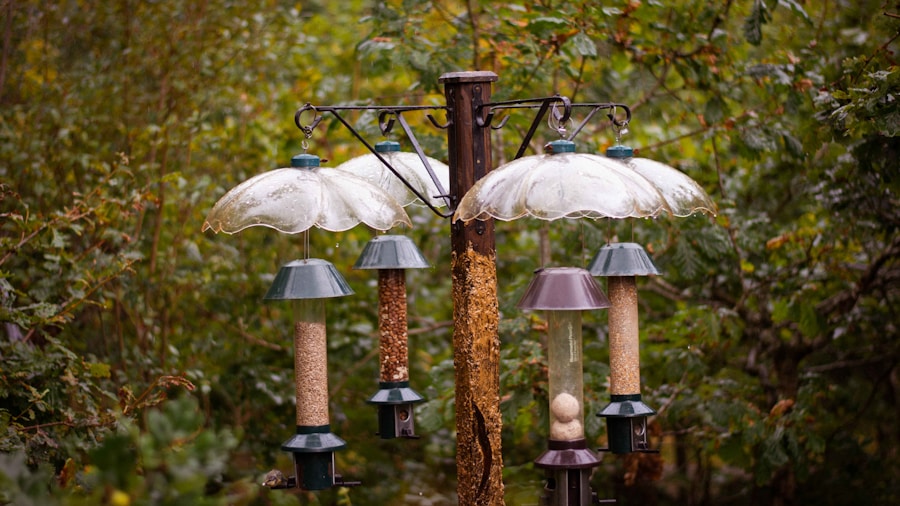
As natural food sources become more abundant in late summer, birds may show less interest in standard seed mixes. This is the perfect time to adjust your feeding strategy by offering nutrient-dense options that fuel birds through remaining hot weather. Peanut granules, sunflower hearts, and mealworms provide the concentrated energy birds need most during this season.
Where you place your feeder matters just as much as what you put in it. Position feeders in shaded areas to prevent food from spoiling quickly and to offer birds a cooler resting spot. This simple adjustment keeps your investment in bird food fresher longer while making your yard a more comfortable destination for visiting birds.
Create Shelter and Safe Spaces
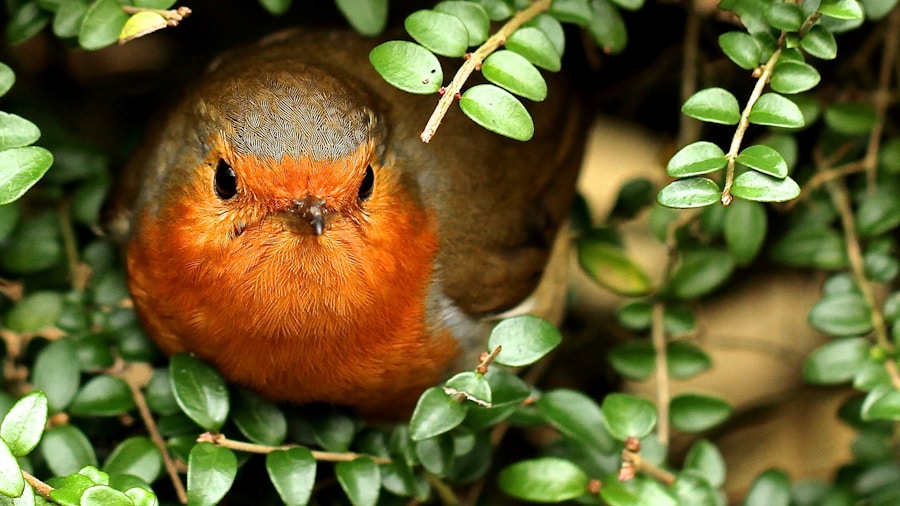
Birds need shelter for multiple reasons during late summer: to escape intense heat, to find secure roosting spots, and to safely hide while they molt and regrow their feathers. Dense shrubs and climbing vines are ideal for creating these safe spaces. If you don’t have much natural coverage, birdhouses designed for species like bluebirds and wrens provide essential refuge.
Delaying hedge trimming also helps by maintaining vegetation that offers shade and perching opportunities. Rather than tidying up too early, let your garden maintain its natural structure throughout late summer, giving birds the shelter they desperately need during this vulnerable time.
Leave Garden Debris in Place
One of the easiest ways to help birds is to delay your late summer yard cleanup. Fallen leaves and dropped fruit attract insects and invertebrates that birds depend on for protein and nutrition. This natural food source becomes increasingly valuable as the season progresses.
Additionally, some birds may still be actively nesting in your trees and shrubs well into late summer. Disturbing these areas with aggressive pruning can destroy nests and displace young birds. Plant debris scattered across your garden also provides nesting materials for species that nest late in the season. By being patient about tidying up, you support bird populations during a critical time while keeping your yard looking naturally lush.
These five strategies work together to create a bird friendly garden during the hottest part of the year. Each step is simple to implement and requires minimal expense, yet the impact on local bird populations is substantial. As you enjoy peak summer garden conditions, take pride in knowing you’re providing essential support to the birds that make your outdoor space more vibrant and lively.












Write Your Review
No reviews yet. Be the first to share your experience!