

Creating a peaceful garden retreat is a growing priority for homeowners seeking refuge from daily stress. Recent design trends show that specific plants can transform an ordinary garden into a sensory sanctuary that soothes the mind and encourages relaxation. By selecting the right species, you can build a landscape that promotes calm through color, texture, scent, and gentle movement.
How Plants Create a Sense of Tranquility
The power of plants goes far beyond their visual appeal. Experts in landscape design and wellness horticulture confirm that certain species actively contribute to emotional well-being through multiple sensory channels. Muted color palettes, subtle fragrances, delicate textures, and natural movement all work together to foster a restful atmosphere. For shoppers interested in upgrading their outdoor spaces, understanding these plant qualities helps ensure your investment delivers genuine relaxation benefits.
Top Plant Choices for a Calm Garden Environment
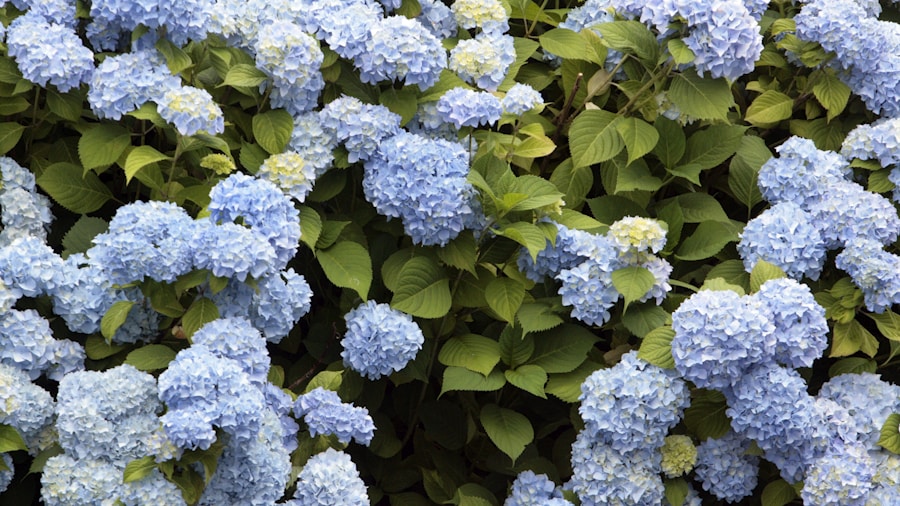
Climbing Hydrangea stands out as an excellent choice for creating enclosed, intimate seating areas. The pale flowers and deep green foliage provide visual softness, while the plant matures to cover walls and fences with an established, grounded presence. This variety reaches 50 to 60 feet when fully grown but responds well to pruning, making it adaptable to different space constraints. It thrives in growing zones 4 through 8.
Ornamental grasses like Pennisetum ‘Karley Rose’ bring hypnotic movement to your garden. The feathery plumes sway gently in even light breezes, creating a soothing rustling sound without making the space feel chaotic. Planting these grasses in repeated clusters near seating areas or along pathways maximizes their calming effect. This hardy variety handles cold winters and grows in zones 5 through 9, blooming earlier than many competitors.
Rosemary offers both fragrance and tactile pleasure. The aromatic oils released when you brush the leaves produce a gentle, uplifting scent associated with clarity and calm. Beyond sensory benefits, traditional herbalism links rosemary to memory support. Container planting works well for rosemary, allowing you to position it near seating where you can enjoy its fragrance throughout the day.
Baby Bunny Bellies displays silvery-pink foliage with remarkably soft, downy leaves that invite touch. The plant’s muted color palette and tactile qualities make it ideal for sensory gardens. As a trailing variety, it works beautifully in hanging planters or containers and can even grow indoors in water or soil.
Star Jasmine provides one of the garden’s most calming fragrances without overwhelming the senses. The delicate white blooms appear in late spring and early summer, releasing scent near garden gates, pathways, and seating areas where visitors naturally pause. Its glossy evergreen foliage offers year-round structure in zones 7 through 11. For maximum fragrance production next season, prune between August and October.
Silver-leaved plants such as Lamb’s Ear create visual calm by reflecting light and reducing visual contrast. These muted tones provide a restful backdrop that encourages the eye to slow down rather than constantly shift between bold colors. Many silver varieties also offer tactile appeal or subtle scent, deepening the overall sensory experience. Larger-leafed varieties maximize the tactile satisfaction of touching the foliage.
Switchgrass, a North American native, brings constant subtle movement through its arching blades and deep wine-colored fall foliage. Even the lightest breeze animates the grass, creating soft sounds that naturally redirect attention away from everyday distractions. Growing 2 to 3 feet tall, switchgrass serves as visual connective tissue throughout your design.
Design Principles for Your Calm Garden
Landscape professionals emphasize that the most restorative gardens aren’t necessarily the most colorful. Instead, they deliberately engage multiple senses with intentional restraint. Layering movement, fragrance, texture, and restrained color creates spaces that encourage people to slow down and linger. When planning your garden, consider how you move through the space and where you naturally pause.
Climate matters significantly when selecting plants. Choosing species native to your region ensures they’ll thrive with minimal maintenance, reducing your workload and letting you focus on enjoying the space. Proper gardening tools make planting and maintenance more comfortable.
Creating a truly personalized tranquil garden means reflecting on what you specifically need from the space. A calming garden should provide genuine balance and peace both while you’re in it and afterward. Whether you emphasize muted tones, fragrant blooms, or tactile textures, the goal remains consistent: building an outdoor retreat that soothes your senses and restores your spirit. Comfortable outdoor furnishings complement your plant selections, extending the seasons you can enjoy your peaceful garden.












Write Your Review
No reviews yet. Be the first to share your experience!