

What Happened
A major new workplace technology study commissioned by Logitech surveyed over 9,400 workers and 1,350 IT decision-makers to understand how office equipment affects employee wellbeing and productivity. The findings paint a troubling picture: nearly two-thirds of workers (64%) report feeling frustrated, anxious, or angry because of technology-related problems, while three in five (58%) experience physical discomfort such as wrist pain, eye strain, and neck fatigue from their desk setups.
The research also uncovered a significant gap between worker desires and workplace reality. Only one-quarter of workers say they actually have control over the technology they use daily, yet just one-fifth would keep their existing setup if given a choice. This disconnect suggests widespread dissatisfaction with current office equipment across the workforce.
Why This Matters for Shoppers

This study carries direct implications for how you should think about workplace tech purchases, whether you’re buying for a home office, a hybrid work situation, or an entire organization. The data emphasizes that investing in proper equipment isn’t a luxury or a nice-to-have: it’s a necessity that affects your physical health, mental state, and ability to accomplish goals.
According to the research, 81% of workers believe that having the right technology could make the difference between achieving their professional objectives and falling short. Beyond productivity gains, over half of respondents (54%) reported measurable improvements in their physical and mental wellbeing simply by gaining better control over their tech, and 58% felt more optimistic about their future when working with equipment they preferred.
The Hardware Shift in Modern Work
One particularly striking finding is that 42% of workers now rely on hardware more than they did five years ago, a trend that becomes even more pronounced among heavy AI users, of whom 76% say hardware dependence has increased. This suggests that despite advances in software and automation, the actual devices you interact with remain critically important to your daily experience.
The implication for shoppers is clear: when evaluating office equipment, don’t assume that older or generic solutions will suffice. Your keyboard, mouse, headset, and monitor directly impact your comfort level and output quality. Products like the Logitech G Pro X3 Lightspeed headset represent the kind of thoughtfully designed equipment that can reduce strain during long work sessions.
Hybrid Work Considerations
The study also addresses the growing reality of hybrid work arrangements, where employees split time between office and home settings. This shift creates a unique purchasing challenge: you may need equipment that works seamlessly across multiple locations or that can be easily transported between spaces. Employers are being urged to think beyond basic procurement metrics like cost and security to also consider employee experience and the specific demands of hybrid schedules.
For remote and hybrid workers, this means prioritizing ergonomic peripherals and reliable connectivity devices that don’t create frustration or physical strain. Quality matters more when you’re the one managing your own workspace setup.
What Employers Should Know
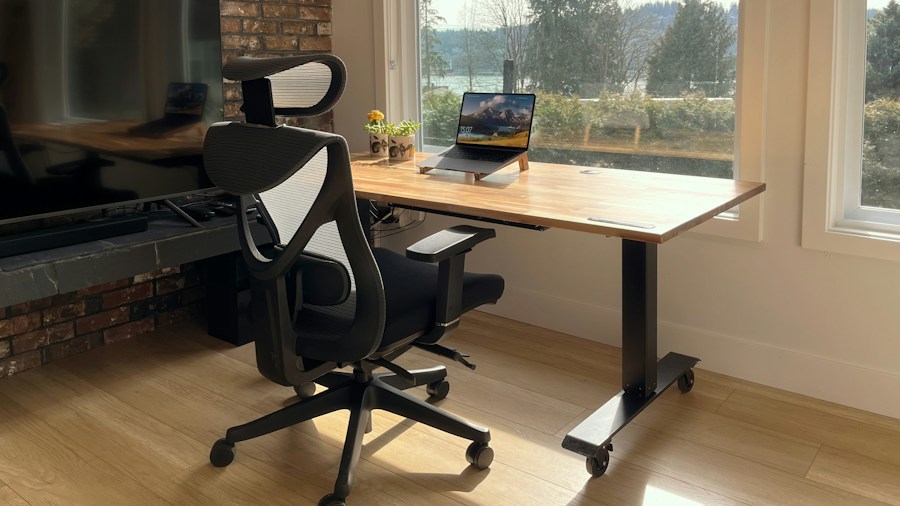
While this article focuses on what matters to individual shoppers, it’s worth noting that employers are receiving the same message: inadequate or outdated tech is actively harming your workforce’s wellbeing and output. If you’re purchasing equipment for a team or organization, the research suggests that allocating budget toward quality hardware, proper ergonomic setup, and employee choice in device selection will pay dividends in reduced frustration and improved morale.
Options like the Logitech Zone Vibe Pro headphones, which combine comfort with sustainability through repairable design, reflect the kind of thoughtful purchasing decisions that support both worker wellbeing and organizational goals. Even budget-conscious teams can find solid equipment that doesn’t sacrifice usability, such as reliable gaming and productivity peripherals designed to last.
The Bottom Line
This research validates what many workers already intuitively understand: the tools you use every day matter. Uncomfortable, frustrating, or dated technology doesn’t just slow you down at work, it creates stress that follows you home. Whether you’re outfitting a personal home office, setting up a hybrid arrangement, or making purchasing decisions for your team, prioritizing quality hardware and employee input into those choices is an investment in wellbeing that actually pays for itself through improved focus and reduced frustration.












Write Your Review
No reviews yet. Be the first to share your experience!