

The Resurgence of Mid-Century Design in Today’s Homes
Walk into any thrift store today and you are likely to discover treasures from the 1960s that collectors and vintage enthusiasts are actively hunting down. After decades of being considered outdated, mid-century pieces from this era are experiencing a genuine revival. The decade was an eclectic blend of Danish-inspired furniture, space-age chrome accents, and brightly colored plastics, combined with wonderfully kitschy decorative items that are now highly desirable. Understanding which pieces are worth your money and how to spot authentic vintage finds versus modern reproductions is essential for savvy shoppers.
Iconic Decorative Pieces Worth Seeking Out
Lucite flower wall plaques represent some of the most charmingly kitsch decor from the 1960s. These three-dimensional acrylic flowers, often featuring a green frame with orange, amber, and yellow blossoms, were kitchen and living room staples. Brands like Wondermold Industries and New Designs Inc. are particularly collectible. The translucent acrylic catches light beautifully, so place these near windows for maximum effect. When shopping, inspect individual petals and leaves carefully for chips or cracks, as repairs are difficult. Minor surface scratching is normal for pieces of this age.
Paint-by-number artwork has become surprisingly collectible, despite never being intended as fine art. These mass-produced kits democratized painting and created charming, slightly imperfect finished pieces. No two are identical because each artist brought their own brushstrokes and color choices to the work. You can find framed examples in thrift stores for just a few dollars. Landscapes, cottages, animals, and florals are all available. The wonky proportions and lines outside the boundaries are precisely what make these pieces characterful and desirable. Avoid any showing moisture damage, mold, flaky paint, or warped boards.
Furniture Finds That Hold Value
Large elaborate metal wall sculptures, especially those made from brass, copper, or mixed metals, represent serious collectible art. C. Jeré wall sculptures are particularly valuable, ranging from abstract geometric designs to brutalist pieces and decorative scenes featuring vehicles, birds, and natural elements. While authentic pieces may bear an incised or painted signature with a date, not all genuine examples were signed. Even if you cannot verify the maker, a well-crafted piece in good condition makes a striking statement.
Acclaim tables, designed by Andre Busch for Lane Furniture starting in 1958, feature distinctive contrasting wood tops with lighter-colored edges and decorative dovetail joints. Coffee tables and end tables are most commonly found in thrift stores. Look for wood or veneer construction rather than later laminate versions. Check underneath for Lane markings and serial numbers. Expect minor scratches and wear, but reject pieces with extensive veneer loss or severely damaged corners.
Broyhill Brasilia furniture, produced from 1962 onward, showcases dramatic curving arches inspired by Brazilian modern architecture. These pieces combine curves with straight lines and squares, creating a look that suits both retro and contemporary rooms. Search for Broyhill labels inside drawers to confirm authenticity. Inspect carved details, veneer, and handles carefully, as many manufacturers created inspired alternatives.
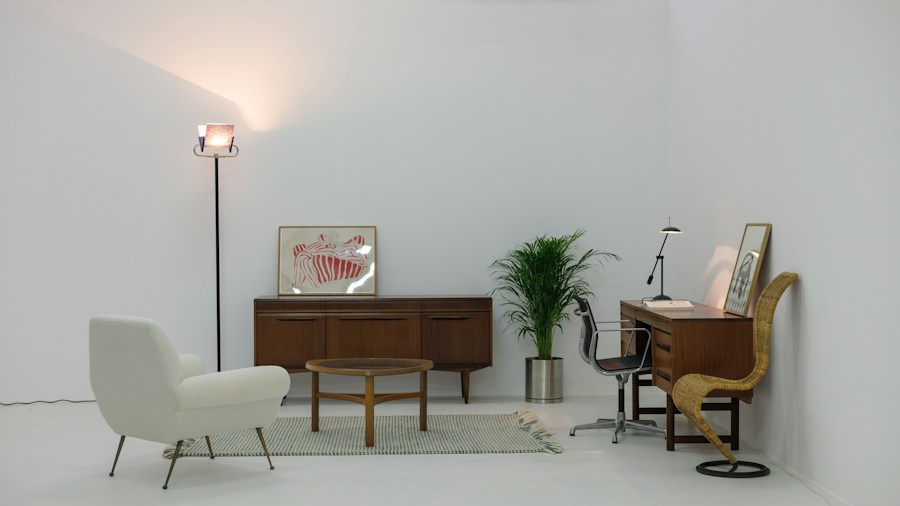
A quality teak sideboard from the 1960s remains practical and proportional today. Danish designs from makers like Arne Vodder pair elegantly with modern interiors. These long, low cabinets offer substantial hidden storage behind sliding doors and drawers. Look for maker labels and the Danish furniture control mark introduced in 1959. Most importantly, assess overall appearance and storage capacity. Check that veneer is not lifting or swelling.
Chrome kitchen tables with laminate tops and matching vinyl chairs epitomize mid-century practicality and style. Formica tabletops, whether plain or patterned, brighten any kitchen. However, Formica is notoriously difficult to repair, so check carefully for burns, warping, peeling corners, and swelling. If purchasing a complete set with chairs, inspect vinyl upholstery for brittleness and wear.
Eames lounge chairs represent the holy grail of thrift store furniture hunting. Designed by Charles and Ray Eames in 1956, these chairs feature curved molded plywood shells, leather cushions, and distinctive bases. All authentic Eames chairs bear manufacturing labels. Even unmarked reproductions can be worthwhile if well-made and in good condition. Check cushion adjustments and wooden elements carefully; cracks around structural components are not easily repaired.
Lighting Collectibles From the Atomic Age
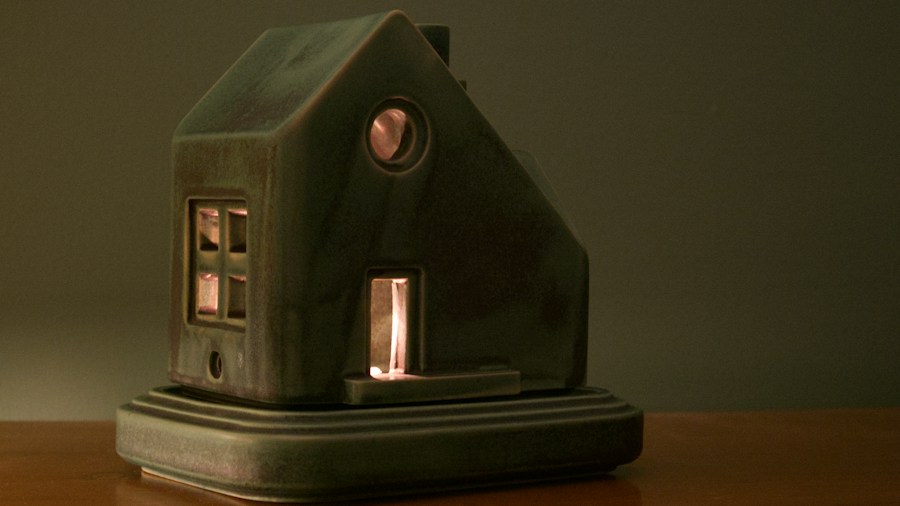
Ceramic TV lamps in shapes of panthers, cats, horses, fish, and birds are wonderfully kitschy collectibles. These quirky fixtures were popular in the 1950s and 1960s because people believed watching television in darkness was harmful to eyes. Rather than producing bright direct light, TV lamps offered gentle background glow. Examine the glaze for cracks and damage. Have electrical components checked or replaced before use. If you are looking for ways to incorporate retro style into your home, consider how budget-friendly retro lighting trends can create impact without significant investment.
Tension pole lamps were ingenious space-saving solutions featuring a slim metal pole held between floor and ceiling by spring pressure. Adjustable lights on the pole directed illumination wherever needed. Look for complete pole mechanisms with adequate spring tension and intact contact pads. Check electrical safety before use.
Swag lamps hang from ceiling hooks with decorative chain and cord running to wall outlets, eliminating the need for ceiling fixture installation. Available in glass globes, metal cages, and plastic shades including lucite and spun acrylic, these lamps range from understated to theatrical. Inspect glass and acrylic for cracks and rim chips. Minor upper rim damage may be acceptable since that area remains hidden once installed.
Mushroom lamps have returned to fashion after decades of obscurity. Originally popular in the 1960s and 1970s, these designs exemplify space-age modernism with broad round shades and dramatically flared bases. Early versions used fiberglass-reinforced polyester resin; later versions featured molded plastic or metal and glass. Colors range from white and cream to vibrant green and orange. These compact lamps represent distinctive examples of modernist design.
Lava lamps remain iconic representations of 1960s style, though they were never particularly practical for actual lighting. The original Astro lamp was released in Britain in 1963 by Edward Craven Walker. Check that glass bottles are intact and liquid has not leaked or become cloudy. Never shake a lava lamp to test function, as movement while warm permanently clouds the liquid. Verify that replacement bulbs remain available for your specific model, as correct heat output is critical for operation.
Audio and Storage Solutions Making a Comeback
Stereo consoles, which housed complete sound systems with speakers, amplifiers, record players, and radios in single furniture pieces, were status symbols during the 1960s. Manufacturers like Zenith, Magnavox, and Fisher created beautiful cabinets. As physical media fell from favor, these consoles became inexpensive thrift store finds. However, growing interest in vinyl records and music collecting is making stereo consoles relevant again in their original function. They also serve as attractive general storage for craft supplies or children’s items. Exploring ways to incorporate media storage into modern decor shows how vintage audio furniture remains practical today.
Shopping Smart for Authentic Vintage Finds
When hunting for genuine 1960s pieces, always examine construction, materials, and maker markings. Many reproductions exist, so understanding the differences between authentic items and modern copies is crucial. Check for overall condition, including veneer, finishes, upholstery, and electrical components. Minor wear is expected and adds character; however, structural damage, excessive repairs, and safety issues should prompt you to pass. Shopping thrift stores for mid-century decor requires patience and knowledge, but the rewards are substantial. A single perfect find can transform a room and provide years of enjoyment.










Write Your Review
No reviews yet. Be the first to share your experience!