

A high-profile Beverly Hills home renovation has put minimalist interior design back in the spotlight, and it reveals an important truth for shoppers: when decorating with less, every piece of window treatment counts. What works in a celebrity home can translate directly to your own space, and understanding the principles behind it can help you make smarter choices for your curtains.
The Rise of Minimalist Window Design
The minimalist movement has been growing steadily in American homes, and window treatments have become central to this aesthetic. When a space contains minimal furniture and neutral wall colors, the curtains shift from being purely functional to being a design statement. Sheer curtains in particular have emerged as the preferred choice for homeowners pursuing this clean, uncluttered look.
In minimalist spaces, curtains accomplish what patterns, bold colors, and heavy textures might otherwise do. They add softness and dimension without creating visual noise. The key difference between a stark, cold room and a calming, inviting one often comes down to how thoughtfully the window treatment is chosen and installed.
Understanding Curtain Headers and Proportions
According to interior design professionals, one detail that shapes a room’s entire feel is the curtain header, or the top portion where fabric meets the rod or track. A simple frill adds playfulness, while a pinch pleat creates a tailored, classic appearance. The choice isn’t merely aesthetic, it affects the vertical rhythm of your walls and how your eye moves through the space.
Proportion matters equally. Full-length curtains that hang from ceiling to floor create a sense of calm and draw the eye upward, making rooms feel taller and more spacious. This trick is especially valuable in homes where square footage is limited or where you want to enhance the perception of height. Hanging curtains generously, rather than skimping on fabric width, contributes to an overall sense of luxury and intentionality.
Light and Texture in Neutral Spaces
Sheer curtains solve a common decorating dilemma: how to control light while maintaining an airy, open atmosphere. Unlike heavy drapes or blackout shades, sheer fabrics filter sunlight softly, reducing glare without eliminating the view or natural illumination. This quality makes them ideal for living rooms, bedrooms, and dining areas where you want to preserve the sense of connection to the outdoors.
The texture of the curtain fabric itself becomes noticeably important in minimalist rooms. Linen-look materials and subtle weaves add warmth and tactile interest without introducing pattern or color that might clash with a pared-back palette. New detachable curtain liners are also making it easier for shoppers to maintain sheer fabrics, which can be a concern for those worried about upkeep.
Practical Considerations for Your Home
When planning your own curtain installation, consider any obstacles like radiators beneath windows. Curtains can skim just above heating elements with light lining to allow heat circulation, or they can extend full length if you prefer not to draw attention to the radiator. Both solutions work equally well, depending on your priorities.
Another practical choice involves backing fabrics and tie-backs. A well-chosen backing fabric or a simple tie-back can introduce subtle detail and personality without overwhelming a minimalist aesthetic. Industry designers reveal that these small finishing touches often make the difference between a space that feels intentional and one that feels incomplete. The goal is thoughtful curation, not elaborate ornamentation.
What This Means for Shoppers
The current trend toward minimalism signals that curtains are no longer afterthoughts or mere window coverings. Retailers are responding by expanding their selection of high-quality sheers, lightweight linens, and neutral fabrics that appeal to this segment of consumers. Shoppers looking to update their homes should expect to spend more time considering header styles, fabric weight, and hanging height than they might have in the past.
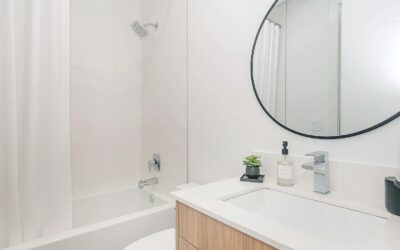
Brands are also recognizing the demand for affordable minimalist options, making it possible to achieve this look without a designer budget. Even bathroom design is shifting toward curtains as homeowners discover their design flexibility, proving that the minimalist window treatment approach works across multiple rooms.
Final Takeaway
Whether you live in a sprawling home or a compact apartment, adopting the principles behind minimalist curtain design can elevate your space. Focus on quality materials, proper proportions, and ceiling-to-floor installation. Let your curtains do the work that clutter cannot. By being intentional about your window treatments, you create a room that feels calm, open, and distinctly yours, without requiring a massive redesign budget or professional help.











Write Your Review
No reviews yet. Be the first to share your experience!