

When you flip through a design magazine or scroll past a beautifully styled room on social media, the curtains look effortless and perfectly placed. What most shoppers do not realize is that creating those polished window treatments involves an intricate web of collaboration between designers, photographers, stylists, and manufacturers. Understanding this behind-the-scenes process can help you make smarter choices when selecting curtains for your own home.
The Unseen Partnerships Behind Great Curtain Design
Every finished room you admire in print or online represents months of coordinated effort. The designer envisions how a curtain will function within the overall space. The photographer then captures its visual impact, while the stylist layers in final details that tell a cohesive story. The artisans who manufacture the fabric and construct the curtains add their own expertise to bring the vision to life. This ecosystem of talent works in constant dialogue, each professional refining the others’ work to achieve a polished result.
For consumers, this means the curtains featured in high-end design spreads are rarely chosen by accident. Strategic decisions about fabric weight, color saturation, pleating style, and hardware all contribute to a room’s overall aesthetic. When you study these published projects, you are essentially watching the output of dozens of thoughtful choices made by skilled professionals.
What This Means for Your Curtain Shopping
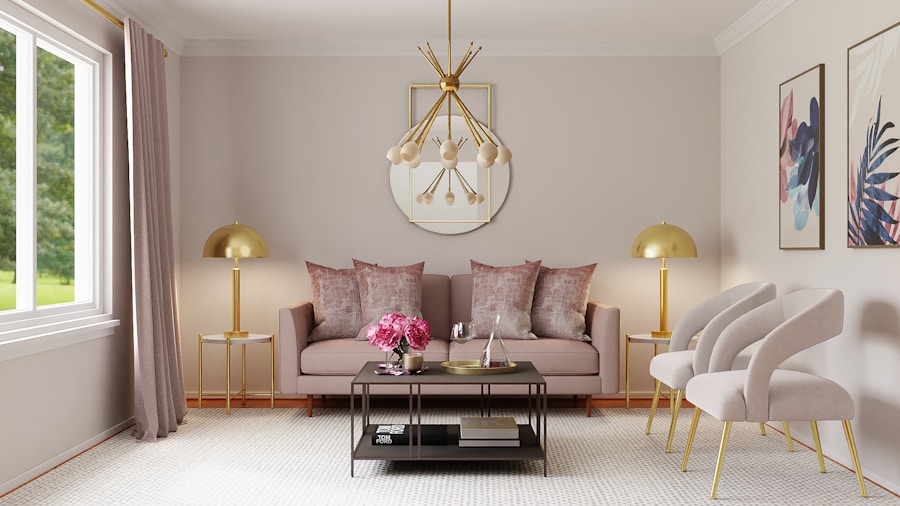
Recognizing the intentionality behind professional design choices empowers you to shop more strategically. Rather than grabbing the first curtain panel that matches your wall color, consider how your selection functions within your complete room design. Think about how light will filter through the fabric, how the hanging style will impact your walls’ proportions, and how the texture will interact with other textiles in the space.
The rise of different curtain applications in modern homes reflects this professional thinking. For instance, designers are now choosing curtains over glass in bathrooms, recognizing that fabric offers both aesthetic warmth and practical benefits. Similarly, living plant curtains are emerging as an alternative to traditional fabric window coverings, showing how the industry continuously evolves to meet aesthetic and environmental demands.
The Strategic Thinking Behind Fabric Selection
Professional designers do not simply select curtains based on color preference. They analyze how a fabric’s weight and drape will hold the folds, how natural and artificial light will play off its surface, and whether it complements adjacent design elements. A lightweight linen curtain creates a different mood than a heavy velvet panel, and each choice sends a distinct message about the room’s sophistication level and intended lifestyle.
Manufacturers work closely with design firms to develop collections that meet these nuanced requirements. They test how fabrics perform in different lighting conditions, how they age over time, and whether they maintain their visual integrity through multiple seasons. This level of quality control ensures that the curtains you purchase are built to both look good and perform reliably.
Learning from Professional Design Decisions
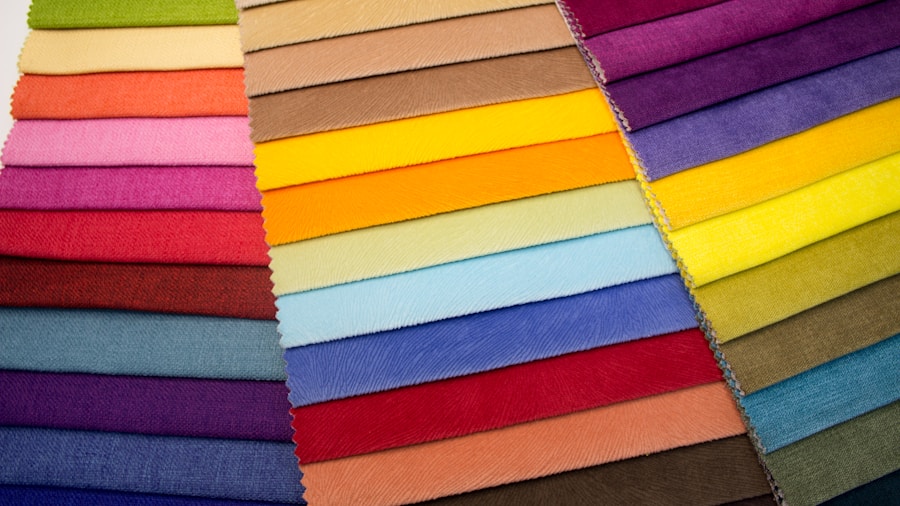
You can apply professional design thinking to your own curtain selections without hiring a designer. Start by observing how curtains are styled in rooms similar to yours. Notice the hanging style, the color relationship to walls and furnishings, and how the light shapes the fabric’s appearance. Consider whether you want your curtains to blend seamlessly with walls or serve as a statement element. These are the same strategic questions designers ask themselves.
Creative solutions like using curtains as a storage hack for bookshelves demonstrate how shoppers are increasingly thinking like designers, using curtains functionally rather than purely decoratively. This multitasking approach reflects the sophisticated thinking of professional stylists who always consider how an element serves both aesthetic and practical purposes.
Building Your Curtain Confidence
Understanding the collaborative process behind published design projects transforms how you shop for curtains. You move from reactive purchasing to intentional selection. You begin asking the same questions professionals do: Does this fabric quality justify the investment? How will this color read in my specific light? Will the hanging style I choose flatter my windows and ceilings?
The design industry’s ecosystem of talent exists to create beautiful spaces that function well and inspire those living in them. By applying these professional insights to your own home, you elevate your curtain choices from simple window coverage to considered design decisions that reflect your lifestyle and aesthetic values.












Write Your Review
No reviews yet. Be the first to share your experience!