

New California Law Raises the Bar for Reclaimed Refrigerants
California just took a significant step to strengthen environmental standards and supply chain transparency in the heating and cooling industry. Assembly Bill 663, signed into law last October, establishes strict new requirements for what qualifies as a certified reclaimed refrigerant in the state. This regulatory shift directly affects homeowners, contractors, and anyone relying on air conditioning or refrigeration systems in California.
The new law clarifies and strengthens a previous rule, State Bill 1206, by setting explicit criteria that reclaimed refrigerants must meet to be sold and used legally. Understanding these requirements matters because noncompliant products now carry serious civil and criminal penalties, and the definition of what counts as compliant has become much clearer.
What Qualifies as a Compliant Reclaimed Refrigerant
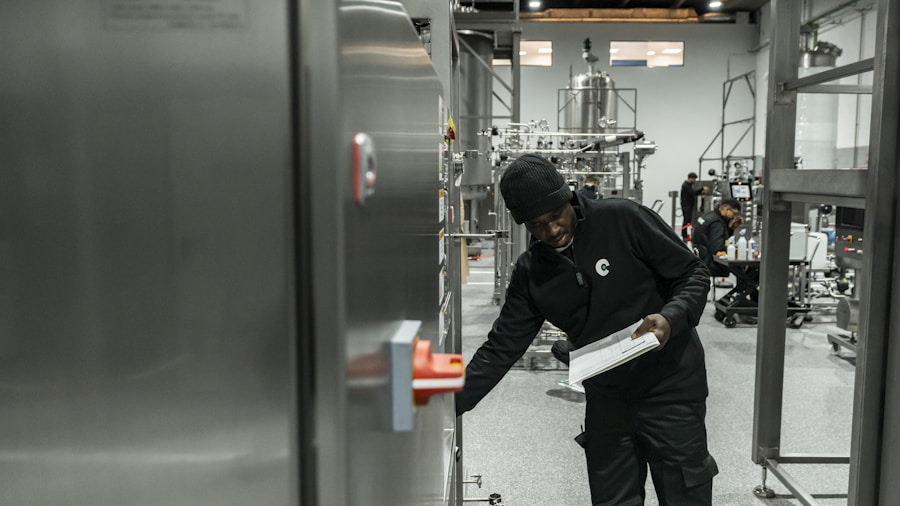
Under California’s updated rules, a reclaimed refrigerant must meet four strict criteria to be considered certified and legally usable in the state:
- The cylinder must contain at least 85 percent reclaimed material by weight
- The product must be AHRI 700 certified, a national standard ensuring quality and performance
- Purity must reach a minimum of 99.5 percent
- The refrigerant must be processed by a reclaimer certified by the U.S. Environmental Protection Agency (EPA)
These standards are designed to ensure that reclaimed refrigerants perform reliably while reducing environmental impact. One key benefit is that certified reclaimed products are exempt from restrictions on high global warming potential (GWP) refrigerants. This exemption recognizes that reusing existing refrigerant is environmentally preferable to manufacturing new supplies.
Old Inventory Is Now Noncompliant
A crucial change in AB 663 eliminates gray areas around existing stockpiles. Any refrigerant inventory that does not meet the new standards is now classified as noncompliant, regardless of when it was purchased or stockpiled. This provision removes ambiguity and prevents older, lower-quality reclaimed refrigerants from slipping back into circulation.
For contractors and distributors, this means conducting an audit of inventory and ensuring that only certified products are on hand. Selling or using noncompliant refrigerants exposes businesses to penalties, making compliance essential. When you work with certified suppliers, regulatory pressure continues to shift toward alternative refrigerants and reclaimed options, so staying informed protects your interests.
Documentation and Traceability Requirements
California’s updated regulations emphasize transparency throughout the supply chain. Compliant reclaimed refrigerants must now come with a Certificate of Analysis, a document that certifies the product meets all required standards. This paperwork is not optional; it is a legal requirement that allows distributors, contractors, and technicians to maintain clear records and demonstrate compliance if audited.
Additionally, every cylinder must be clearly labeled for traceability. This labeling system ensures that only approved refrigerants are sold and used, creating an auditable chain of custody from processor to end user. For homeowners, this transparency means greater confidence that their systems are being serviced with legitimate, high-quality refrigerants.
What This Means for Shoppers and Contractors

If you live in California and rely on air conditioning or refrigeration equipment, these rules protect you by ensuring that service technicians use refrigerants that meet strict performance and purity standards. When systems are maintained with certified products, reliability and efficiency improve. Additionally, understanding refrigerant supply trends helps you plan equipment upgrades and maintenance schedules proactively.
For HVAC contractors and technicians, compliance is now non-negotiable. Partnering with suppliers who provide EPA-certified reclaimed refrigerants with proper documentation eliminates legal risk and streamlines regulatory compliance. Maintaining transparent records and ensuring all products have Certificates of Analysis protects your business and builds customer trust.
The Broader Environmental Message
Beyond regulatory compliance, AB 663 sends a clear signal that California values environmental responsibility. By establishing rigorous standards for reclaimed refrigerants, the state encourages the reuse of existing supplies rather than manufacturing new ones, reducing greenhouse gas emissions and resource consumption. This approach aligns with California’s broader climate goals and supports a circular economy in the HVAC industry.
Whether you are planning a new installation, scheduling routine maintenance, or upgrading an aging system, verify that your service provider uses certified reclaimed refrigerants and maintains complete documentation. Ask for the Certificate of Analysis and check that cylinders are properly labeled. These simple steps ensure compliance, protect the environment, and guarantee that your cooling system operates at its best.












Write Your Review
No reviews yet. Be the first to share your experience!