

The Renovation Trap: What Happens When You Bite Off More Than You Can Chew
Homeowners often make the same mistake when tackling a renovation: they start multiple projects simultaneously, thinking they can juggle them all and finish faster. The reality is far different. Taking on too many renovation tasks at once leaves rooms half-finished, tools scattered everywhere, and your home feeling more like an active construction site than a place to live. This approach doesn’t save time or money. Instead, it creates stress, waste, and incomplete work that drags on for months.
When you spread your attention across several major projects, none of them get the focus they need. You start one job, move to another before finishing, and soon your entire home is in disarray. The work becomes less enjoyable, weekends stop feeling like time off, and the whole experience turns into an exhausting grind rather than a rewarding home improvement journey.
Recognizing the Warning Signs You’re Overcommitted
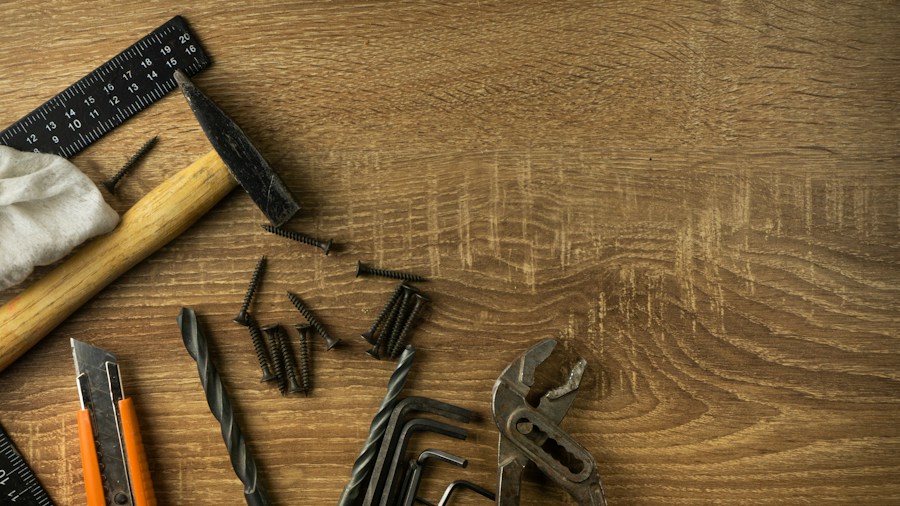
How do you know when you’ve taken on too much? The signs are unmistakable. Multiple rooms are torn apart simultaneously. Building materials and equipment are piled up throughout the house. You find yourself starting new tasks before completing old ones. Most importantly, the work stops being fun. If your weekends feel like mandatory work shifts instead of opportunities to improve your space, you’re likely overcommitted.
The good news is that recognizing these red flags early makes it much easier to course-correct. Waiting until you’re completely overwhelmed means digging yourself out of a much deeper hole. Taking a step back and reassessing your project list now can save you months of frustration down the road.
The Strategy That Actually Works: Space Out Your Projects
Rather than diving into everything at once, spacing out renovation projects gives you time to properly complete each one, clean up, and actually enjoy the finished result before moving forward. This approach has psychological and practical benefits. You get to celebrate small wins instead of feeling buried under an endless to-do list.
One effective tactic is implementing a dedicated finishing day every few months. During these sessions, focus exclusively on completing the small tasks that keep a project from truly being finished: missing trim, nail holes, outlet covers, and paint touch-ups. These details matter more than most homeowners realize, and checking them off creates real satisfaction.
Prioritize Which Projects to Tackle First
Not all renovation tasks are created equal. Learning to prioritize them strategically makes an enormous difference. You can approach this in two ways: complete the quickest projects first to build momentum and check items off your list rapidly, or focus on projects with time-sensitive deadlines that can’t wait.
Using a project planner or even a simple written list helps tremendously. Seeing everything documented makes it obvious when you’re trying to cram too much into a single week. This visual reality check forces you to make honest decisions about what truly needs to happen first. Which home renovations actually increase your home’s value is also worth considering when deciding where to focus your energy and budget.
Know When to Call in Professional Help
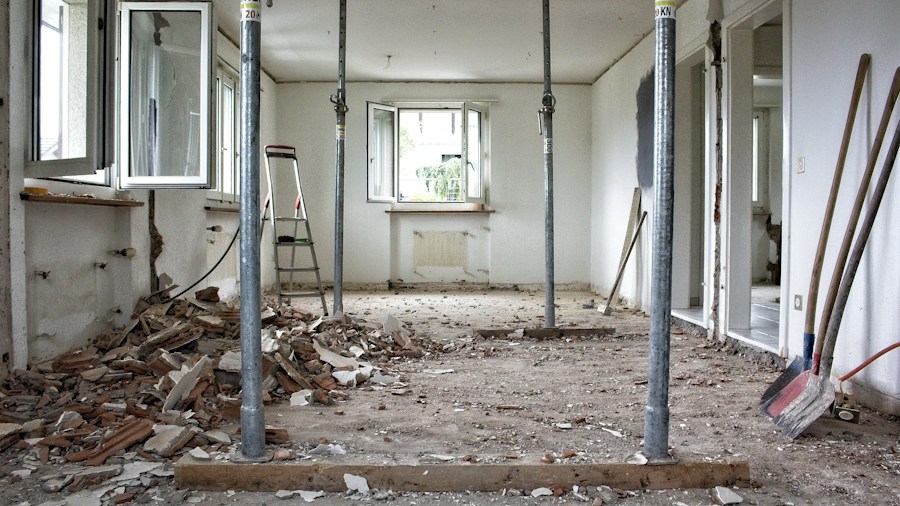
There’s no shame in bringing in a contractor to finish work you’ve started. Life gets busy, and professional tradespeople often welcome partially completed projects because much of the foundational work is already done. If hiring someone to complete one or two jobs allows you to finally finish other projects on your own, it may be the smartest investment you make.
This decision isn’t an admission of failure. It’s smart project management. Consider kitchen renovations as an example, where professional expertise during critical phases like historic kitchen renovation work can actually save time and money compared to tackling everything yourself.
Learning to Walk Away is a Skill
One often-overlooked renovation skill is knowing when to step back. If you find yourself overcommitted, it’s completely normal and you’re definitely not alone. Many homeowners face this challenge. The key is recognizing the pattern early enough to adjust your approach before creating chaos.
Taking on fewer projects simultaneously doesn’t mean you’re lazy or uncommitted to improving your home. It means you’re being realistic about what you can actually accomplish while maintaining quality work and your sanity. That’s actually something worth celebrating. Just remember you still have projects to finish, so set your pace accordingly and enjoy the renovation process rather than enduring it.












Write Your Review
No reviews yet. Be the first to share your experience!