

When selling a flipped house, homeowners often assume that the most expensive upgrades will make the biggest impression on buyers. Recent insights from sellers who have completed full renovations reveal a different reality: the projects that truly move homes off the market are those that make daily living easier and help buyers envision their own lives in the space.
The Upgrades That Sold the House
One of the most impactful renovation decisions is addressing the home’s layout. Removing walls to create an open floor plan completely transformed how one fixer-upper functioned. By eliminating barriers between the kitchen, dining room, and living room, the home instantly felt larger and more inviting. Buyers could immediately picture themselves entertaining, cooking, and relaxing in a flowing space. If your renovation includes structural changes, evaluating whether your home’s current layout works or whether opening it up makes sense should be a top priority.
Storage is another critical factor that resonates with buyers of all types, from single professionals to large families. A home lacking adequate storage becomes a dealbreaker for many shoppers. Creative solutions like custom built-in shelves, storage benches in dining areas, and maximized closet systems showed measurable returns on investment. When prospective buyers walk through a home, their first instinct is mentally organizing where their belongings will go. Homes that answer this question successfully generate repeat visits and serious offers.
Small, thoughtful upgrades often outperform expensive finishes in terms of buyer appeal. Practical additions like kitchen bottle rinsers, pop-up outlets in countertops, pull-out trash and recycling bins, and built-in charging stations impressed shoppers far more than high-end materials that took months to select. A DIY TV frame that feels designer-quality or smart light switches with dimming capability can become the feature a buyer remembers and loves. These upgrades signal that the home is move-in ready with modern conveniences already in place.
Where Renovation Budgets Often Get Misaligned
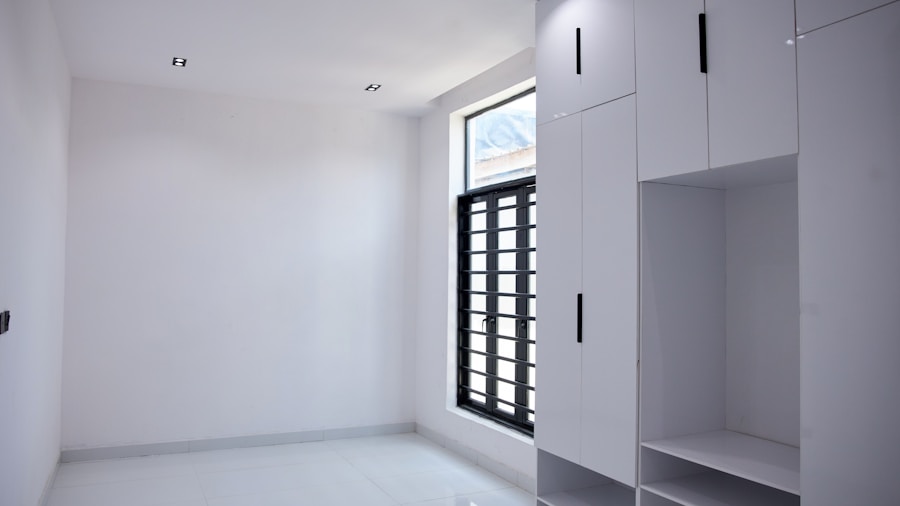
Expensive finishes and design choices matter less to buyers than homeowners expect. Hours spent selecting the perfect tile colors or fixtures rarely factor into a buyer’s decision or offer amount. Similarly, outdoor kitchen projects and extensive curb appeal work, while important for first impressions, often don’t recoup their investment at resale. Kitchen renovation projects should focus on functionality rather than luxury finishes if maximum return on investment is the goal.
This doesn’t mean these projects are worthless. If a renovation improves your daily life while you live in the home, it has real value. However, if your primary motivation is resale value, research which improvements in your specific market deliver the best returns. Before starting expensive projects, consult local real estate professionals about what moves inventory in your area.
What Buyers Really Want
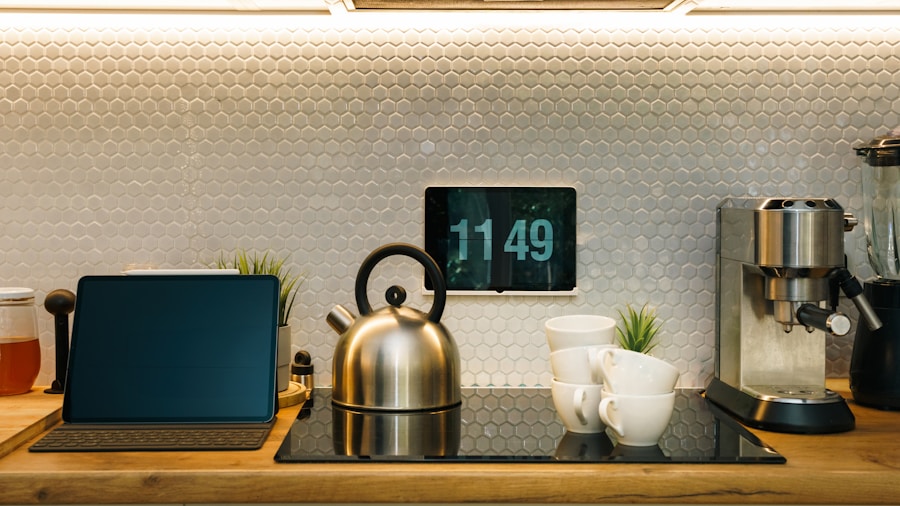
The underlying truth is that buyers aren’t just shopping for a house; they’re imagining a lifestyle. Renovations succeed when they demonstrate that a home is easy to live in, well-organized, and thoughtfully designed. Projects that improve natural light, enhance floor flow, add practical storage, and introduce unique features create an emotional connection.
When selecting renovation priorities, ask yourself: Does this upgrade make the home function better for daily living? Can a buyer immediately recognize its benefit? Does it solve a common pain point? If you answer yes to these questions, the project likely deserves budget allocation. Having the right tools for DIY work ensures quality results on budget-friendly projects.
Bottom Line for Home Sellers
The most successful flippers focus renovations on improving layout, storage, functionality, and move-in readiness rather than chasing expensive design trends. A home that feels complete, organized, and ready to be lived in will attract serious buyers willing to make competitive offers. The projects that improved the daily lives of the people who renovated them also improved the perceived value for the people who bought them. That alignment between user benefit and buyer appeal is what truly makes renovation investments worthwhile.












Write Your Review
No reviews yet. Be the first to share your experience!