

Kitchen renovation projects in older homes present unique challenges and opportunities that modern homeowners often overlook. A recent renovation of a 1902 Portland, Oregon Craftsman bungalow demonstrates how thoughtful planning can restore both function and authenticity to period properties. Understanding these lessons can help any homeowner navigate their own renovation, whether working with a century-old home or simply wanting to preserve character while upgrading systems.
The Problem With Mismatched Updates
Many older homes have been updated piecemeal over decades, resulting in spaces that feel disconnected from their original design. In the Portland project, a kitchen remodeled around the year 2000 had introduced trendy materials like black-and-white granite counters and travertine-look porcelain flooring that clashed with the home’s authentic character. The homeowners described the space as feeling like a drab mudroom rather than the heart of their 1902 Craftsman home.
The layout also created serious functional problems. An oversized center island restricted movement between work zones, making meal preparation inefficient. A powder room door opened directly from the kitchen near the sink, creating both traffic disruptions and privacy concerns. These issues show that trending design choices often sacrifice both livability and historical integrity.
Strategic Layout Changes Make a Difference
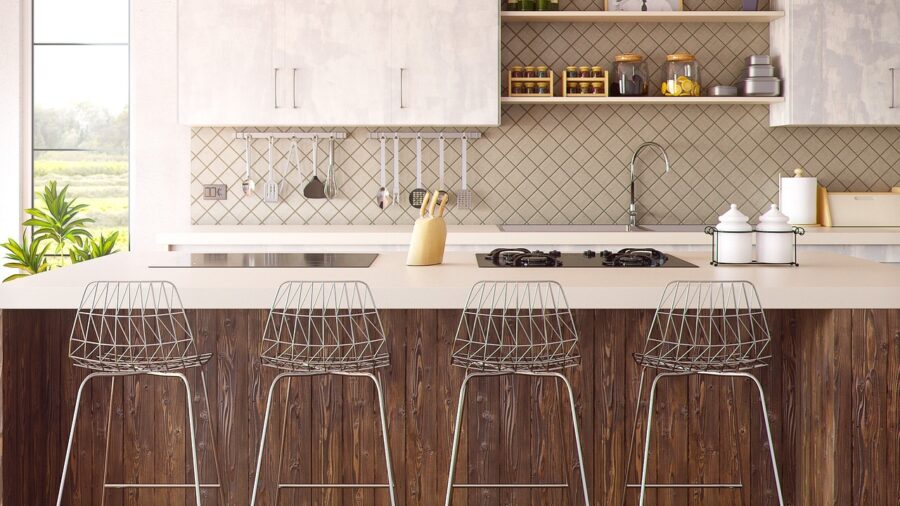
Successful kitchen renovation starts with solving circulation and workflow problems. The Portland renovation relocated the bathroom door into the adjoining pantry, creating a more indirect path that improved privacy and decorum while freeing up kitchen space. This single change allowed designers to add a functional peninsula for food preparation and seating, dramatically improving the kitchen’s usability.
When planning your own renovation, consider how traffic flows through and around work zones. Quality construction materials and proper installation matter, but so does spatial planning. Poor layout wastes expensive new appliances and cabinetry, while smart design makes even modest upgrades feel transformative.
Authentic Materials and Period Details
Restoring period authenticity requires attention to material selection and historical accuracy. The renovated kitchen incorporated white-oak flooring that blended seamlessly with original hardwoods throughout the home. Stacked upper cabinets took advantage of high ceilings, a practical feature of early-20th-century design. Designers carefully replicated original millwork, including stained fir and V-groove wainscot on lower walls, creating continuity with the home’s architectural character.
Custom leaded-glass transoms in a circa 1910 design were specifically crafted to match period styles while providing additional light between rooms. These transoms became the homeowners’ favorite feature, demonstrating that authentic reproductions can be both historically accurate and functionally superior to modern alternatives. The soapstone countertop served as a dramatic focal point while fitting seamlessly into the home’s aesthetic.
Smart Storage Solutions
Historical homes often lack adequate storage, but creative design can solve this problem without compromising character. The pantry was completely upgraded and painted in a soft blue-green that changes with light throughout the day. It now doubles as kitchen storage and includes a bar with an under-counter beverage refrigerator, proving that modern conveniences can be integrated thoughtfully.
An appliance garage tucked next to the refrigerator integrates seamlessly into ceiling-height cabinetry, keeping small appliances accessible yet hidden. A large, deep undermount sink provides practical workspace while looking period-appropriate. Quality tools and fixtures make installation work easier when managing these integrated systems during renovation.
Finishing Touches Matter
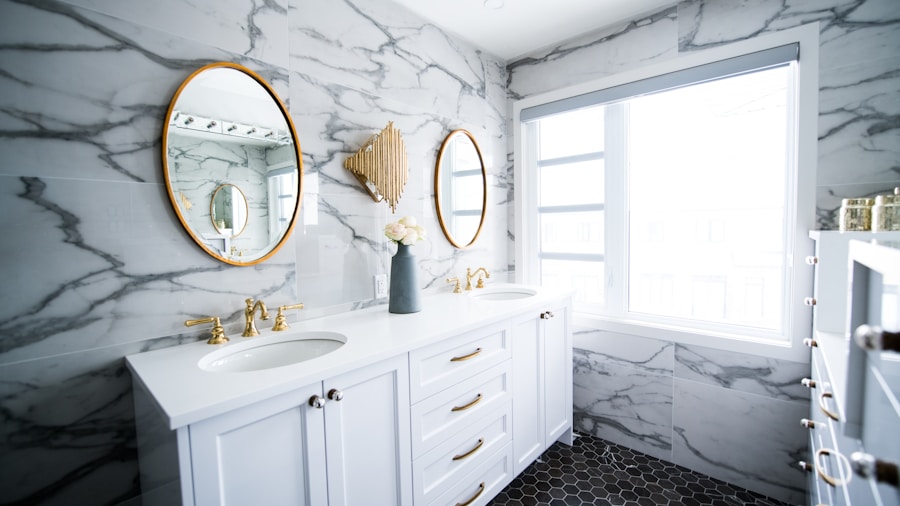
Details complete a successful kitchen renovation. Black-and-white hexagonal mosaic tile floors in the pantry and powder room echo a similar pattern found elsewhere in the original home, creating historical continuity. Playful wallpaper in soft green tones adds personality while maintaining the overall timeless aesthetic.
Hardware selection influences both function and appearance. Authentic reproduction cabinet latches, period-appropriate sconces, and vintage-inspired fixtures all contribute to authenticity without sacrificing modern usability. These finishing elements tie together the entire renovation vision.
Key Takeaways for Your Renovation
Whether your home dates to 1902 or was built more recently, kitchen renovation success depends on addressing functional problems first, then selecting materials and details that reflect your home’s character. Avoid trendy choices that will feel dated within years. Instead, invest in quality materials that complement your home’s architectural style and stand the test of time. Working with designers experienced in period homes helps ensure your renovation respects the original while meeting contemporary living standards. A thoughtful approach to kitchen renovation increases both daily satisfaction and long-term property value.









Write Your Review
No reviews yet. Be the first to share your experience!