

When the U.S. government collected roughly $166 billion in tariffs on imported goods, many consumers expected prices to drop once those levies were refunded to businesses. That hasn’t happened. Instead, major companies like Logitech are now facing legal action for allegedly pocketing the refunds instead of passing savings back to shoppers who footed the bill through inflated prices.
What Happened: The Tariff Price Hike and Missing Refunds
Following new tariffs imposed under the International Emergency Economic Powers Act in early 2025, numerous importers raised prices to offset the cost. Logitech, a major office and gaming peripheral manufacturer, increased prices across roughly half of its product lineup by about 14 percent, with some items climbing as much as 25 percent higher. The company told investors these hikes were necessary to absorb tariff expenses.
However, when the Supreme Court ruled many of these tariffs illegal, the government began refunding the collected $166 billion to the businesses that paid them. The catch: there was no mechanism requiring companies to pass those refunds to consumers who had already paid the inflated prices.
The Legal Challenge Against Logitech
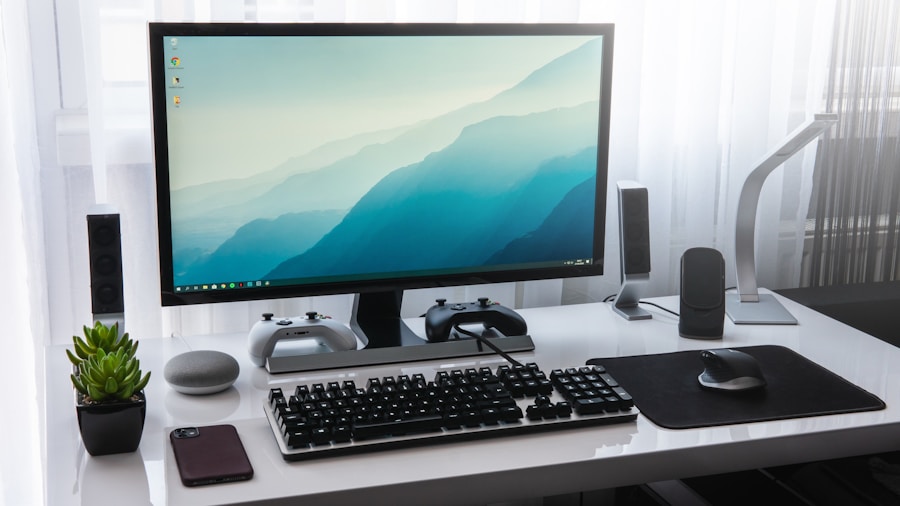
A class action lawsuit filed in California’s Northern District Court alleges that Logitech raised prices to cover tariffs but has taken no action to compensate customers. According to court documents, the company’s executives informed investors about the price increases specifically to offset import costs, yet customers have no way to claim back what they overpaid.
If you purchased Logitech keyboards, mice, headsets, or other peripherals during the tariff period, you may have been among those who paid the premium. The lawsuit argues that companies benefited twice: once by raising prices on consumers and again by receiving government refunds without sharing the benefit.
Why This Matters for Office Supply Shoppers
This situation highlights a gap in how tariff policy protects consumers. While manufacturers pay tariffs to customs, those costs get passed to retail customers through higher prices. When refunds arrive, there is currently no requirement for businesses to credit customers. For people who invested in office setups with quality keyboards and noise cancelling microphones during this period, the financial impact could be significant, particularly for home office workers and small business owners who made bulk purchases.
A Logitech wireless mouse that normally cost $50 might have sold for $57.50 due to tariffs. If the company later receives a government refund covering that $7.50, current policy allows them to keep the money rather than credit the original purchaser.
Other Companies Facing Similar Scrutiny
Logitech is not alone. Nintendo has reported unusual profit spikes, with operating profits jumping from $360 million to $902 million over a similar period, yet the company raised Switch console prices by up to $50. Sony received an estimated $508 million in tariff refunds while simultaneously raising PlayStation 5 prices. Both companies now face lawsuits demanding they pass refunds to customers.
Nintendo has also filed its own lawsuit against the government, claiming tariff policies were overly broad and constantly changing. However, the company has not volunteered to refund consumers who paid higher prices for its gaming systems.
What Happens Next

The outcome of the Logitech class action could set a precedent for consumer protection in tariff situations. If the court rules in consumers’ favor, it could force the company to identify and compensate affected buyers or establish a claims process. Alternatively, settlement discussions might result in partial refunds or credit toward future purchases.
For now, shoppers should document any purchases of Logitech products made during 2025 when tariffs were in effect. Keep receipts and order confirmations. If you believe you paid inflated prices, you may be eligible to join the class action or file individual claims, depending on how the case develops.
The Broader Lesson for Consumers
This situation underscores the importance of monitoring pricing trends and understanding what drives cost increases. When companies raise prices significantly, it’s worth asking why and staying informed about market conditions. For office workers and businesses purchasing peripherals, investing in quality headsets and audio equipment remains important, but timing and source matter when tariff uncertainty exists.
The lawsuit against Logitech may ultimately force greater transparency and fairness in how tariff costs and refunds are handled. Until then, consumers should remain vigilant about pricing and keep records of purchases made during periods of economic uncertainty.











Write Your Review
No reviews yet. Be the first to share your experience!