

A major digital health startup just secured $75 million in funding to bring sleep apnea diagnosis out of the clinic and into your home. The company, Happy Health, has developed an FDA-cleared smart ring designed to detect obstructive sleep apnea in as few as three nights, marking a significant shift in how consumers can access early diagnosis and ongoing care.
What the Funding Means for Home Sleep Testing
The investment from ARCH Venture Partners and OpenLoop reflects growing confidence that continuous home monitoring can replace traditional hospital-based sleep studies for many patients. Rather than scheduling an overnight lab appointment, eligible consumers may soon be able to diagnose sleep apnea from their own bedroom using wearable technology paired with physician oversight.
The Happy Ring is a class II medical device that received FDA 510(k) clearance, making it one of the first clinical-grade wearables designed specifically for sleep apnea screening. This regulatory approval is crucial because it means the device meets strict standards for accuracy and safety that consumers can trust.
How the Technology Works
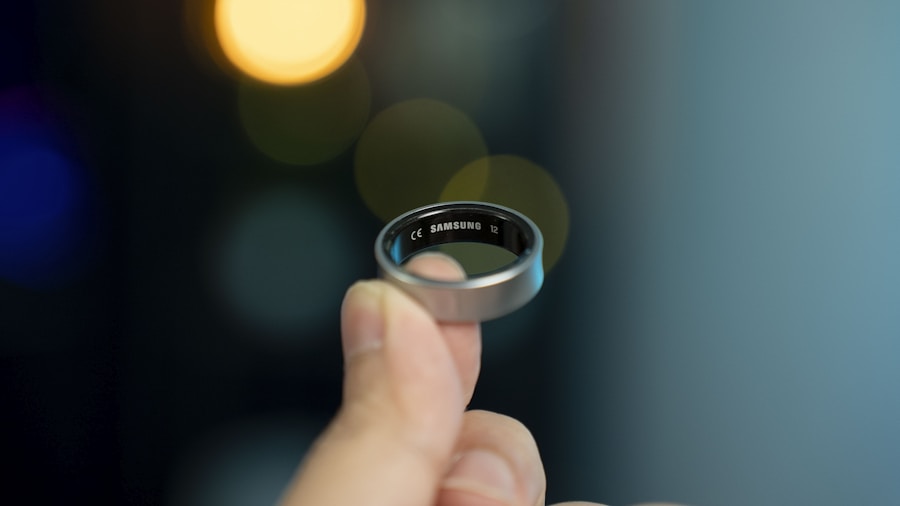
The platform’s artificial intelligence engine collects over 2.8 million biometric measurements each night, analyzing respiratory, cardiovascular, neurological, and metabolic data. Rather than comparing your results to population averages, the system builds a personalized physiological baseline unique to you, then flags meaningful changes that could indicate sleep apnea.
This personalized approach is a key advantage. Sleep apnea manifests differently in different people, so AI-driven analysis that learns your individual patterns may catch early warning signs that generic screening tools miss. The founder and CEO experienced this firsthand, having suffered a stroke at 24 while remaining undiagnosed with sleep apnea for seven additional years, even though the condition is a known stroke risk factor.
What This Means for Sleep Apnea Shoppers
If you’re considering sleep apnea diagnosis or management, this development signals that home-based testing options are rapidly improving. Here’s what matters for your purchasing decisions:
- Faster diagnosis: Three nights of data collection is far quicker than waiting for a sleep lab appointment, which can take weeks or months in many areas.
- Physician guidance: The platform still involves doctors in interpretation and treatment planning, ensuring clinical oversight rather than relying on consumer self-diagnosis.
- Earlier detection: Continuous monitoring can catch sleep apnea before symptoms become severe, potentially preventing serious complications like stroke or heart attack.
- Convenience: Testing in your own bed under normal sleep conditions may yield more accurate results than a night in an unfamiliar lab environment.
If you’ve been postponing sleep apnea screening due to inconvenience or long wait times, this expanding market of home-based solutions may remove those barriers. As new sleep apnea guidelines continue to evolve, more patients are being encouraged to seek earlier diagnosis, and the availability of consumer-friendly testing tools makes that advice more actionable.
The Broader Picture for Home Sleep Care
The company’s focus on sleep apnea as its first clinical application reflects the condition’s prevalence and severity. Sleep apnea affects millions of Americans, yet many cases go undiagnosed for years. By providing a convenient pathway to diagnosis, this technology could prevent thousands of strokes, heart attacks, and other complications annually.
The platform also signals the direction of modern healthcare: moving away from reactive, clinic-based care toward continuous, home-based monitoring overseen by physicians. This model works especially well for chronic conditions like sleep apnea that change nightly and vary widely among patients.
Industry consolidation is also reshaping how consumers access sleep apnea products and services. For example, major sleep apnea retailers have begun uniting under new platforms, potentially giving consumers more integrated options for testing, treatment, and device management in one place.
Should You Consider Home Sleep Apnea Testing
If you experience symptoms like loud snoring, witnessed breathing pauses during sleep, daytime fatigue, or morning headaches, home-based screening is increasingly worth exploring. The convenience factor alone makes it worth discussing with your doctor, especially if scheduling a traditional sleep study has felt like too much friction.
As alternative approaches to sleep monitoring continue emerging, you’ll have more choices than ever for understanding your sleep health. The key is selecting tools that combine convenience with clinical validity, and this newly funded platform represents a meaningful step forward on both fronts.
The $75 million investment signals that sleep apnea detection is entering a new era of consumer accessibility. Whether you’re a long-time CPAP user considering better diagnostics or someone who’s never been tested but suspects a problem, the expanding home-based testing market is good news for your health and convenience.











Write Your Review
No reviews yet. Be the first to share your experience!