

For years, homeowners have accepted a frustrating truth: the electrical outlet behind your sofa is nearly impossible to reach. You shift cushions, feel blindly along the wall, and hope you’ve grabbed the right plug. This everyday annoyance reflects a bigger design problem that furniture makers have largely ignored until now. Instead of planning electrical access into room layouts, designers treat outlets as afterthoughts, forcing people to work around them rather than with them.
A New Design Philosophy Is Changing How Outlets Fit Into Rooms
A collection called Volt Face, designed by Studio 5.5 in collaboration with electrical component maker Schneider Electric, introduces a radically different approach. Rather than hiding outlets and switches behind furniture or built-in compartments, this collection turns electrical access into a visible and intentional design element. The lineup includes tables, bedside tables, wall lights, pendant lights, and other pieces where sockets and switches are placed where people actually need them, treated as legitimate parts of the furniture’s overall look and function.
The idea sounds counterintuitive at first. Don’t we want outlets hidden to maintain a clean aesthetic? The designers behind Volt Face argue the opposite. They point out that outlets and switches are things we use daily. We already see them, touch them, and think about them constantly. The real design challenge isn’t making them disappear; it’s making them work better in the places where we genuinely need electrical access.
Where This Approach Makes the Most Practical Sense
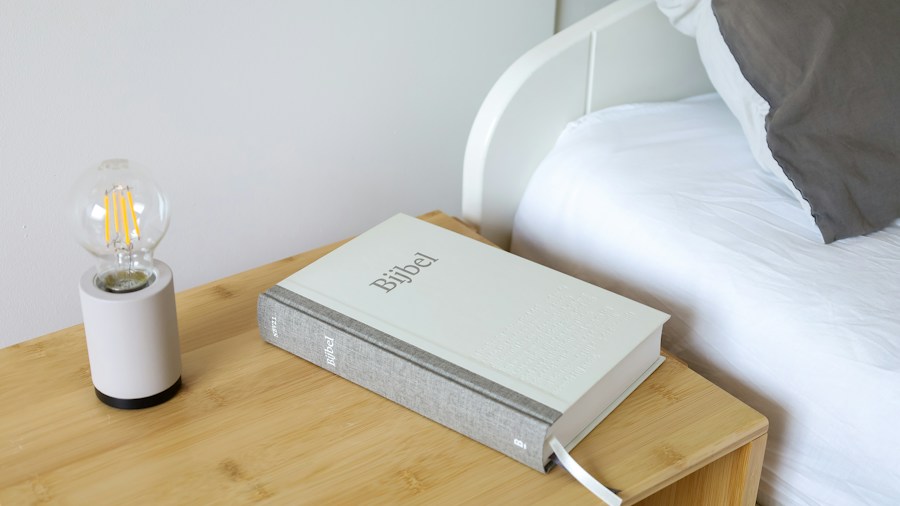
Bedside tables offer perhaps the strongest case for rethinking outlet placement. Consider your nightstand right now. A lamp, phone, book, and glass of water all compete for limited surface space. The nearest outlet is usually positioned just far enough away to make overnight phone charging awkward. You stretch a cord across the table, create visual clutter, or worse, position a power strip in plain view. Integrating electrical access directly into furniture would eliminate this daily frustration without requiring any new technology or abandoning safety standards.
The same principle applies to other areas where people naturally gather with devices. If you’ve been frustrated trying to charge devices while sitting on your sofa, you’re not alone. Screen time burnout is pushing people to reconsider how their seating arrangements support both relaxation and modern device use, and accessible power is part of that conversation.
Lighting fixtures benefit from this approach for slightly different reasons. A lamp already makes electricity visible through its operation. Placing its switch in a more accessible and prominent location feels natural rather than forced. Anyone who has patted around a lamp base in the dark, searching for a switch, understands the appeal of controls you can actually find and use without fumbling.
What Shoppers Should Consider Before Embracing This Trend
This design shift doesn’t mean every outlet in your home needs to become a focal point. Practical concerns like cord management, safety standards, and compatibility with your home’s existing electrical system still matter tremendously. A beautiful outlet placement won’t solve every problem if it doesn’t meet your actual needs.
However, the question Volt Face raises deserves serious consideration: why do so many rooms treat power access like an embarrassing necessity rather than a frequent use case? We plan carefully for furniture we want to see, then scramble to hide the infrastructure that makes those pieces functional. This backwards approach forces compromise.
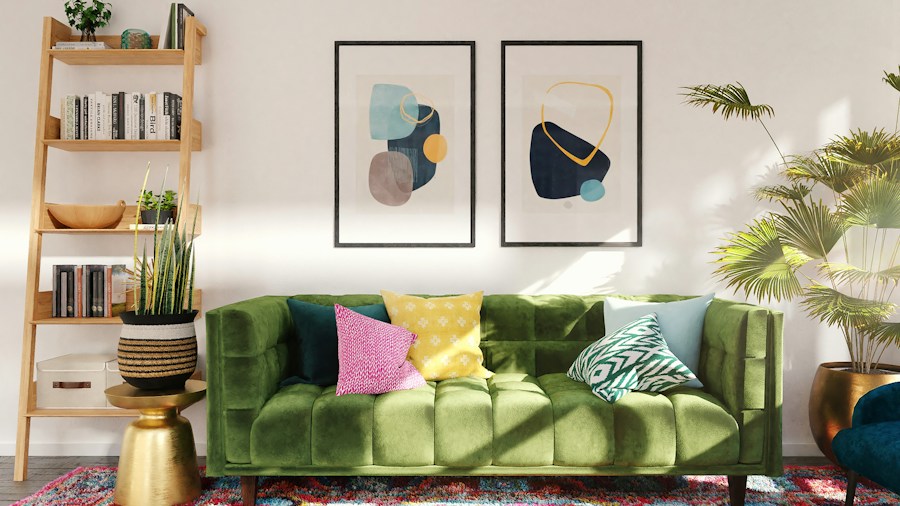
When shopping for sofas and other major furniture pieces, start asking whether electrical access has been considered in the design. Modern sofas are increasingly designed with lifestyle needs in mind, and practical access to power should be part of that conversation. If you work or relax on your furniture while using devices, accessible charging isn’t a luxury; it’s a usability issue.
Some furniture brands are beginning to respond to consumer expectations around device integration. As more people work from home and use their living spaces differently than previous generations, the demand for thoughtfully placed power access is likely to grow. Future furniture designs may increasingly treat outlets not as embarrassing necessities to conceal, but as legitimate functional elements worthy of attention.
The Bigger Picture for Your Home
This shift represents something larger than just outlet placement. It’s a recognition that good design works with how people actually live, not against it. Furniture design itself is evolving to address real household needs, whether that’s flexible seating arrangements or practical device access.
The next time you find yourself reaching behind your sofa for a plug or struggling with cord management on your nightstand, remember that this frustration isn’t inevitable. As more designers embrace the principle that useful objects don’t need to be hidden to look good, your home’s functionality and aesthetic appeal don’t have to work against each other. Better furniture design means better daily life.











Write Your Review
No reviews yet. Be the first to share your experience!