

Interior design is experiencing a major shift in how homeowners arrange their living rooms. Rather than orienting seating toward a television, a growing number of families are adopting conversation-centered layouts that prioritize face-to-face interaction and social connection. This emerging trend has significant implications for how you choose and place your coffee table, along with other key furnishings in your home.
The Rise of Conversation-First Design
The conversation-centered living room movement reflects a broader cultural change in how Americans spend their downtime. After years of screen dominance, many homeowners are intentionally designing spaces that encourage people to talk, connect, and be present with one another. Celebrity homes are leading the way, with high-profile examples demonstrating how strategic furniture placement can transform a room from a passive viewing space into an active social hub.
Design experts attribute this shift to several factors. The rise of hybrid work has made many homes serve dual purposes as both office and living space, causing families to crave at least one room that feels calm and intentionally free from screens. Additionally, a surge in at-home entertaining has motivated people to invest in layouts that work for hosting and meaningful gatherings rather than just solitary relaxation.
How Your Coffee Table Becomes the Star
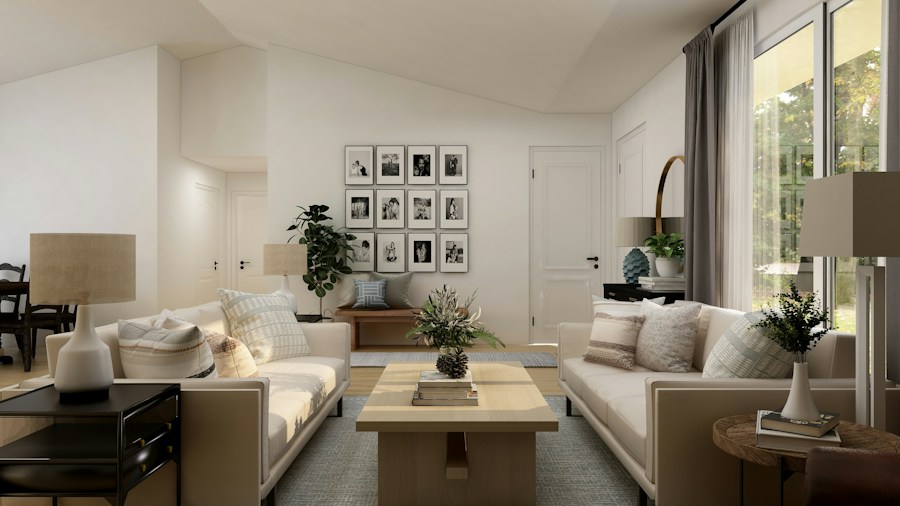
In a conversation-focused living room, the coffee table replaces the television as the spatial anchor. Instead of all seating facing a screen, chairs and sofas are angled inward around a low, accessible table that serves as a natural gathering point. This shift means your coffee table choice matters more than ever, not just aesthetically but functionally.
Ultra-low profile tables work best in these layouts because they maintain sightlines between seated guests and create an intimate, grounded feeling. A table with hidden storage solutions can help maintain the calm, clutter-free aesthetic that design professionals recommend for these spaces. The table’s material and color should complement your neutral wall palette while feeling warm and inviting to guests who will gather around it.
The Ideal Layout Formula
Creating a functional conversation area requires thoughtful spacing and furniture selection. Design experts recommend positioning seating at approximately 2.5 meters apart, which allows for comfortable eye contact and natural conversation flow. Pull your furniture away from walls and angle pieces inward to encourage people to face each other rather than focus on the room’s perimeter or a distant television.
Your coffee table should anchor this arrangement. Pair it with complementary seating like low loungers, mid-century modern chairs, and generous sofas in warm, textured fabrics. Layered lighting with table lamps at varying heights creates a welcoming atmosphere without relying on harsh overhead fixtures, making the space feel more intimate and encouraging longer conversations.
Practical Steps to Transform Your Living Room
Start by evaluating your current seating arrangement. Measure your room and determine what size coffee table will work in a centered, conversation-friendly layout. A neutral background of cream walls and soft flooring creates the perfect backdrop, but don’t overlook the importance of a layered rug that anchors your seating area and adds visual warmth.
Storage and clutter control are essential. Cables, remotes, and overflowing shelves create visual noise that disrupts the calm, social atmosphere you’re building. Consider built-in or fitted storage solutions that hide everyday items and can even conceal your television when it’s not in use. This intentional approach to organization makes guests feel welcome in a serene, curated space.
Texture brings this design concept to life. Mix leather, boucle, linen, and other tactile fabrics to create layers of visual and physical warmth. Even budget-friendly options like concrete block table constructions can work when dressed with the right accessories and surrounded by inviting seating.
Why This Matters for Your Home
This design evolution signals that homeowners no longer view living rooms primarily as entertainment centers. Instead, the living room is becoming a gathering place where real connection happens. Your coffee table choice directly supports this shift. Investing in a durable, stylish table positioned as the room’s focal point creates an environment where people naturally want to sit down, stay awhile, and actually talk with one another.
Whether you’re renovating an entire living room or simply rearranging existing pieces, understanding this trend helps you make smarter furniture and decor decisions that align with modern living priorities.











Write Your Review
No reviews yet. Be the first to share your experience!