

Wicker Furniture and Rain: What You Need to Know Before Leaving It Outside
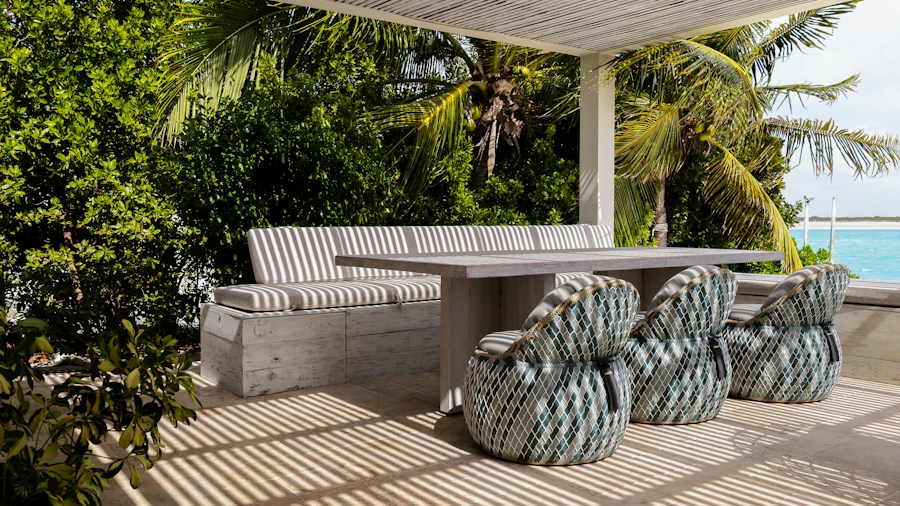
Wicker has become a staple in outdoor decorating, appearing everywhere from patios to gardens. Its woven texture and natural aesthetic appeal make it a popular choice for homeowners looking to enhance their exterior spaces. However, one critical question arises: can you safely leave your wicker furniture out when it rains? The answer depends entirely on the type of material used in your pieces.
Understanding Wicker: It’s About the Weave, Not Just the Material
Many people assume all wicker furniture is the same, but that’s a common misconception. Wicker refers to a specific weaving technique, not the underlying material itself. Historically, this ancient craft, dating back to civilizations like Egypt, used natural plant fibers such as rattan, bamboo, willow, and reed. Today’s market offers two distinct categories: traditional natural wicker and modern synthetic alternatives.
The distinction matters significantly when considering weather resistance. Natural wicker, while beautiful and environmentally friendly, comes with serious vulnerability to moisture. Synthetic or resin-based wicker, by contrast, is engineered specifically for outdoor use and can withstand rain exposure much more effectively.
The Rain Problem: Why Natural Wicker Struggles
Natural fibers like rattan and reed have a fundamental weakness: they absorb water easily. When rain continuously soaks your natural wicker furniture, the plant material absorbs liquid, leading to swelling. This swelling causes the fibers to separate, crack, and gradually weaken over time. Beyond structural damage, prolonged moisture exposure creates an ideal environment for mold growth, which can compromise both the appearance and integrity of your pieces.
For homeowners with natural wicker furniture, protection is not optional. Furniture covers, awnings, or covered patios are essential safeguards. Leaving natural wicker exposed to rain throughout the year, especially during seasons with frequent precipitation, will significantly shorten its lifespan and require expensive repairs or replacement.
Synthetic Wicker Stands Up to the Elements
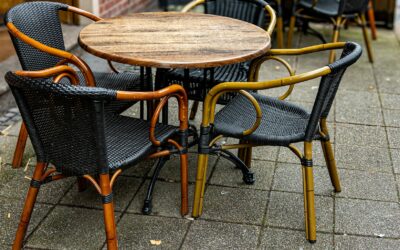
Synthetic wicker, crafted from resin-based materials, represents a game changer for outdoor furniture shoppers. These materials are hydrophobic, meaning they absorb virtually no water. This property allows synthetic wicker to withstand rain without the swelling, cracking, or mold issues that plague natural alternatives. You can even wash synthetic wicker with soap and water to remove seasonal buildup, though you should avoid pressure washing or harsh chemical cleaners that could damage the weave.
While synthetic wicker is far more durable in wet conditions, it’s not indestructible. Ultraviolet light exposure causes gradual weakening over time, though this process occurs much more slowly than it would with natural materials. Choosing a placement that offers partial shade, such as against your home or under a pergola, helps extend the life of your investment. Many retailers now stock durable synthetic wicker storage tables and seating that homeowners rely on for year-round outdoor use.
Climate Considerations for Long-Term Storage
Geographic location plays a role in determining whether outdoor storage is advisable. Regions with extreme weather conditions, including heavy snow and freezing temperatures, present additional challenges. Natural wicker’s plant fibers can split and crack during freeze-thaw cycles, making winter storage indoors essential for these pieces.
Synthetic wicker tolerates extreme temperatures better than natural alternatives, but even these durable pieces benefit from protection during severe weather. Using outdoor furniture covers during winter storms, high winds, or intense hail helps preserve both the structure and appearance of your outdoor seating and tables. Well-designed outdoor furniture often includes modular features that allow you to safely store or relocate pieces when needed.
Making the Right Choice for Your Space
When shopping for wicker furniture, understanding these material differences helps you make an informed decision. If you live in a climate with frequent rain or humidity, synthetic wicker is the clear winner. Its water resistance, low maintenance requirements, and longevity make it the practical choice for outdoor use. Investing in quality outdoor pieces that balance aesthetics with durability ensures your patio or garden remains both beautiful and functional for years to come.
Natural wicker remains an attractive option for covered outdoor areas or mild climates where rain exposure is minimal. However, if year-round outdoor placement is your plan, synthetic wicker’s proven resistance to moisture makes it worth the investment. Your choice ultimately depends on your climate, available shelter, and commitment to ongoing maintenance.






Write Your Review
No reviews yet. Be the first to share your experience!