

Most shoppers pick lumber by price and what looks good on the rack, but a weathered stamp printed on the side of every 2×4, 2×6, and framing board tells a far more important story. That small black ink mark holds crucial information about strength, how far a board can span, and how much movement to expect after installation. Understanding what that stamp says can mean the difference between a solid home project and costly problems down the road.
Why the Stamp Matters More Than Appearance
It’s easy to fall into the trap of rejecting boards because they have bark or missing wood along the edge, a defect called wane. But a lumber grader with nearly three decades of experience has watched buyers repeatedly pass on perfectly sound lumber for cosmetic reasons, only to choose boards that actually fall below acceptable structural grades. The stamp overrides what your eyes tell you because it reflects independent testing and federal standards that building codes rely on.
Every accredited grading agency in the United States must follow the National Grading Rule and comply with federal standard PS 20. The 2024 International Residential Code requires that any lumber used for load-bearing framing, including floors, walls, and roofs, carry an official stamp or a certificate of inspection. This isn’t a suggestion, it’s the law.
The Five Key Fields on Your Lumber Stamp
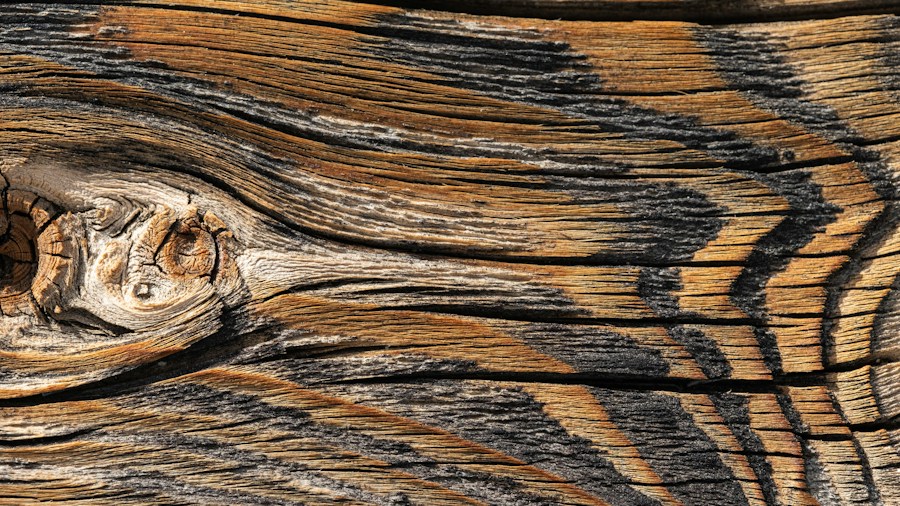
Every accredited stamp contains five essential pieces of information. The mill number or name identifies where the board was produced, though this mainly matters if a bad batch needs to be traced. Next is the logo of the grading agency that supervised quality control, such as the Western Wood Products Association for western species or the Southern Pine Inspection Bureau for southern pine. That agency is required to inspect the mill at least 12 times per year to verify grading accuracy.
The grade itself is the third field, and this is where the real information lives. For framing projects, you’ll typically see Stud, No. 2, No. 1, or Select Structural. Stud is the everyday choice for vertical wall framing because it’s held straighter than No. 2. No. 2 is the standard for floor joists, deck frames, and rafters unless your building plans specify otherwise. Higher grades like No. 1 and Select Structural allow longer spans but cost more and are rarely needed for residential work.
The species or species group is the fourth field. Different species carry different strength ratings, and understanding these designations helps you match the correct lumber to span tables in your local building code. Douglas Fir-Larch, Hem-Fir, Southern Pine, and Spruce-Pine-Fir are the most common groups you’ll encounter.
The fifth field shows moisture content at the time of planing. S-DRY or KD means the board was dried to 19 percent moisture or less, which is essential for interior framing. S-GRN indicates the board was surfaced while still wet and will shrink considerably after installation. For anything inside a heated house, always buy S-DRY or KD lumber to prevent nail pops, cracked drywall, and uneven floors.
How Knots Determine Strength
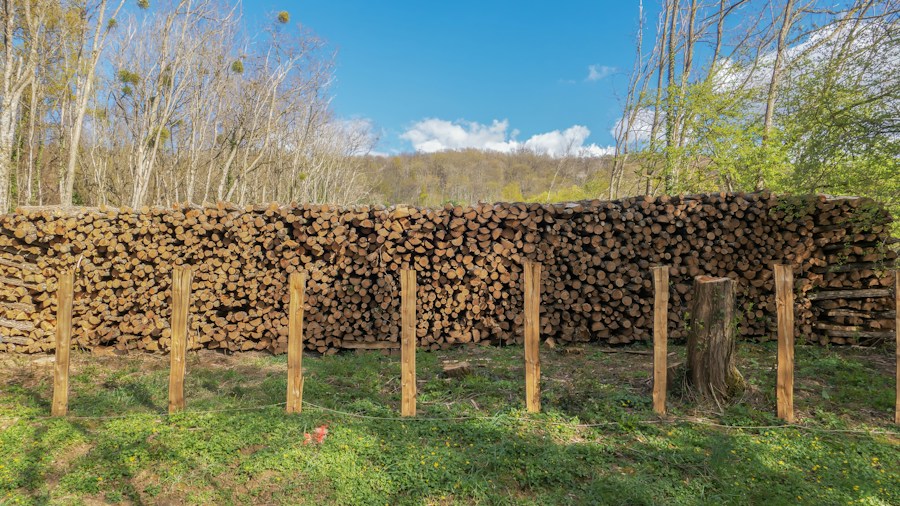
Knots are the primary factor determining a board’s grade, but location matters as much as size. A knot is where a branch grew through the trunk, causing the grain to spiral around it rather than running straight. This cross-grain pattern weakens the wood because loads pile up around the knot instead of passing through cleanly.
On a loaded board, stress concentrates at the top and bottom edges while the centerline carries the least stress. This is why an edge knot costs far more strength than an identical knot in the middle of the board. A 2×4 graded No. 2 allows a 1-1/4-inch knot at the edge but a 2-inch knot on the centerline. When testing breaks boards in a lab, centerline knots consistently require far more force to fail than edge knots of the same size.
At the lumber rack, match your grade to the job, then between two No. 2 boards, choose the one whose knots sit away from the edges. Skip the temptation to grab a pristine-looking board with large edge knots and pass on a board with wane. Testing shows that boards with wane consistently test stronger than boards carrying knots or holes.
Premium Labels Are Not Strength Claims
Store shelf tags reading







Write Your Review
No reviews yet. Be the first to share your experience!