

The Screen-to-Craft Shift Changing How People Spend Downtime at Home
For many of us, the sofa has become less a place of rest and more a launching pad for endless scrolling. Hours disappear into doomscrolling cycles, leaving behind a hollow feeling and a creative spark that feels permanently dimmed. A growing movement of home dwellers is now discovering that stepping away from screens and embracing tactile, analog hobbies can completely transform the way we experience our living spaces.
This shift away from passive consumption isn’t just about feeling better during idle moments. It reflects a broader recognition that constant screen time erodes our ability to think creatively, while hands-on activities restore both mental clarity and a sense of genuine accomplishment. For anyone sitting on their sofa feeling drained by digital life, the antidote may be simpler than expected.
Why People Are Trading Screens for Scissors and Glue
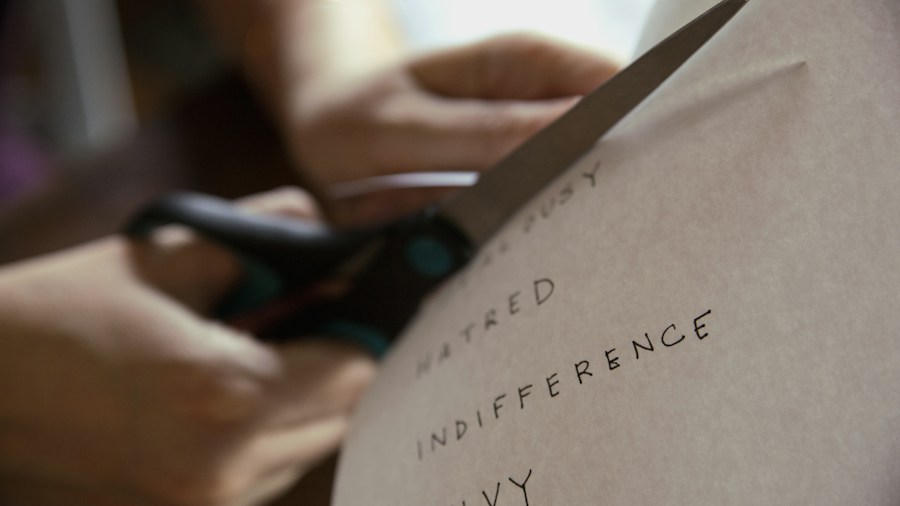
The resurgence of collage-making as a hobby illustrates how nostalgic, tactile crafts are fulfilling a real need in our overstimulated culture. What begins as an attempt to unplug often transforms into a full creative practice. The process itself, with its deliberate pacing and sensory engagement, creates a meditative quality that digital activities simply cannot replicate.
Gathering materials becomes part of the joy. Hunting through estate sales, thrift stores, and online marketplaces for vintage magazines, photography books, and mid-century catalogs turns into a treasure hunt rather than a chore. Unlike streaming content on demand, the hunt requires presence and intention. Unlike messaging on a phone, arranging physical cutouts demands focus and invites the kind of wandering thought that sparks genuine ideas.
The beauty lies in imperfection itself. A tear in the paper or a smudge of glue isn’t a flaw to undo; it becomes texture and character. This permission to be messy translates into real-life benefits: reduced perfectionism, restored childlike curiosity, and freedom from the pressure to perform that colors so much of our curated digital lives.
What This Means for How We Design Our Living Spaces
As more people reclaim their downtime for hands-on creativity, the function of home spaces is shifting. The sofa is no longer the endpoint of leisure; it’s now often just a waypoint between engaging activities. This has real implications for how people are thinking about their furniture and room layouts.
Comfort and functionality matter more than ever, but so does having dedicated space for active hobbies. People are reconsidering their living room arrangements to support both relaxation and creative work. Practical accessories like sofa armrest trays are gaining popularity as people seek flexible furniture solutions that accommodate multiple uses. Whether it’s a small side table for crafting supplies or a sofa positioned near natural light, the home environment itself is adapting to support this creative renaissance.
Additionally, design trends are reflecting this cultural moment. Floral sofas and other character-driven pieces that spark joy and inspire creativity are resonating with shoppers who want their furniture to fuel imagination rather than enable passive consumption. Clean, versatile neutral sofas are also gaining traction as blank canvases that support creative lifestyles without dominating the visual space around them.
How to Get Started If You’re Feeling the Pull
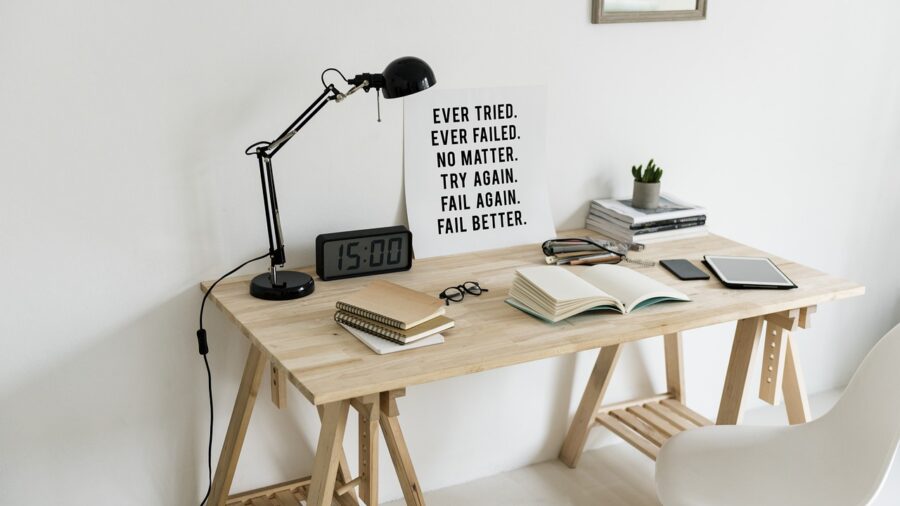
You don’t need any special artistic talent to begin. The barrier to entry is intentionally low: an X-Acto knife, scissors, old magazines, glue, and a flat surface are all you need. The real requirement is willingness to put down your phone and see what happens.
Start by collecting materials. Check thrift stores, buy old magazines in bulk online, or ask friends to save their back issues. Set up a small dedicated workspace, even if it’s just a corner of a table. The act of organizing your tools and materials becomes part of the ritual, signaling to your brain that this time is different from scrolling time.
Give yourself permission to make a mess. The goal isn’t perfection or beauty; it’s the feeling of creation itself. Over time, many people find their work naturally improves as they study how unrelated images combine to tell new stories. Some begin sharing finished pieces as handmade gifts, turning their hobby into a way of showing love to the people around them.
The Bigger Picture: Reclaiming Presence at Home
What matters most about this shift is the reclamation of presence. In a world where our workdays happen in front of screens and our free time often revolves around tapping glass, any activity that grounds us in the physical world carries real value. The quiet focus required by hands-on craft, the resistance of paper, the arrangement of colors and images: these sensations are profoundly different from notification pings and endless feeds.
Your sofa and living room can support this change. They can be spaces where you’re present, creative, and fully engaged rather than half-conscious and scrolling. It starts with deciding that your home is worth more than passive consumption, and that your hands and mind deserve better uses of the hours you spend there.






Write Your Review
No reviews yet. Be the first to share your experience!