

A Compact Desk That Expands on Demand Launches in 2025
Furniture design is evolving to meet the reality of modern work. A Brazilian architect has introduced a desk that challenges the traditional concept of a static workspace. Rather than remaining fixed in one configuration, this new piece transforms through a series of physical openings, revealing compartments, drawers, and additional surfaces that stay hidden until the user needs them. The desk launches in 2025 from a Brazilian furniture manufacturer and offers a fresh approach to office storage and organization.
The design philosophy behind this desk centers on one core insight: work is not a single activity. Throughout the day, a workspace must accommodate multiple tasks. A laptop session in the morning shifts to writing in the afternoon, followed by document review and personal item storage as the day progresses. A static desk cannot easily adapt to these changing needs without cluttering the work surface with permanent, visible storage. This new design solves that problem through intentional concealment and controlled access.
How the Transformation Works
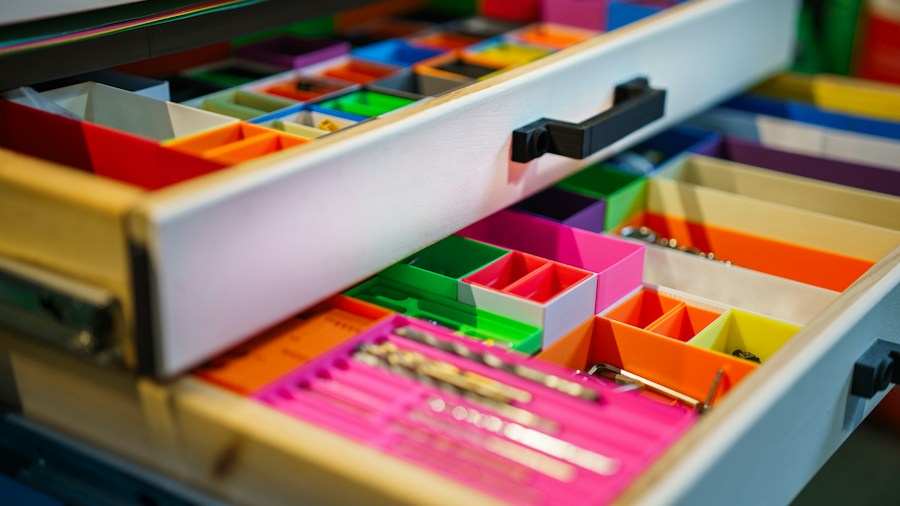
The desk measures approximately 39.4 inches wide, 19.7 inches deep, and 29.9 inches high, maintaining a relatively compact footprint for any room. When closed, it presents a restrained, minimal profile. As the user opens various sections, the desk reveals its full functionality. Each opening introduces previously hidden drawer and work surfaces, expanding the available workspace and storage capacity without requiring the desk to occupy additional floor space.
This approach to workspace design differs significantly from conventional furniture. Traditional desks rely on permanent external storage solutions or separate organizational tools. This design integrates storage directly into the desk structure itself, allowing papers, tools, and supplies to remain concealed within compartments until needed. The user maintains complete control over when the desk reveals its contents and when it returns to a simplified, tidier state.
The desk’s name draws inspiration from a classic story, playing on the concept of hidden treasures waiting to be discovered. That playful reference extends to the user experience. Opening the desk becomes an intentional gesture rather than a routine action. Each section that unfolds introduces a new possibility, making the act of accessing storage feel like a small moment of exploration. This physical interaction adds character to the everyday use of the furniture, transforming an ordinary interaction into something more engaging.
What This Means for Buyers

For consumers seeking workspace solutions, this design addresses a persistent challenge: how to maintain an organized, visually calm desk while accommodating the practical demands of multiple tasks and materials. Recent data on workspace design shows that clutter significantly impacts productivity and focus, yet most furniture solutions force users to choose between exposed storage and hidden functionality.
The transforming desk offers a middle path. Organization becomes part of the furniture itself rather than an afterthought. Visual simplicity is preserved on the exterior while functional capacity is maximized through design innovation. For remote workers and home office users, this matters considerably. Office space is often limited, and a compact desk that expands its capabilities through movement rather than taking up more room provides real practical value.
The design also reflects a growing trend in workspace furniture toward intentionality and personalization. As digital tools continue to evolve and support more flexible work patterns, the physical workspace must adapt accordingly. Furniture that responds to changing needs throughout the day aligns better with how contemporary work actually happens.
Shoppers evaluating workspace furniture should consider their daily task variety and storage needs. If your work involves multiple activities requiring different tools, materials, and surfaces, a desk designed around adaptability and concealed storage may reduce frustration. Pairing such desks with complementary office accessories and charging solutions creates a cohesive workspace system.
Key Considerations Before Buying
- Compact dimensions suit small rooms, apartments, and home offices where floor space is limited
- Multiple configurations allow the desk to support varied work throughout the day
- Concealed storage keeps the workspace visually calm while remaining highly organized
- Physical interaction with the desk becomes part of the user experience, not merely functional
- Wooden construction offers durability and aesthetic appeal in various room styles
Transforming furniture addresses a real gap in the current workspace market. As more people work from home or split time between locations, the demand for compact solutions that pack significant functionality into minimal space continues to grow. A desk that elegantly solves this challenge through thoughtful design rather than compromise represents a meaningful step forward in how we think about and interact with our workspace.












Write Your Review
No reviews yet. Be the first to share your experience!