

The End of an Era: R-410A Phase Out Accelerates
The HVAC industry is undergoing a significant shift that will directly affect homeowners and contractors alike. For over two decades, R-410A refrigerant served as the standard for residential air conditioning and heat pump systems. However, new environmental regulations and evolving industry standards are phasing out this refrigerant in favor of lower-impact alternatives. Understanding this transition matters for anyone planning HVAC repairs, replacements, or upgrades.
The R-410A Story: Rise and Fall
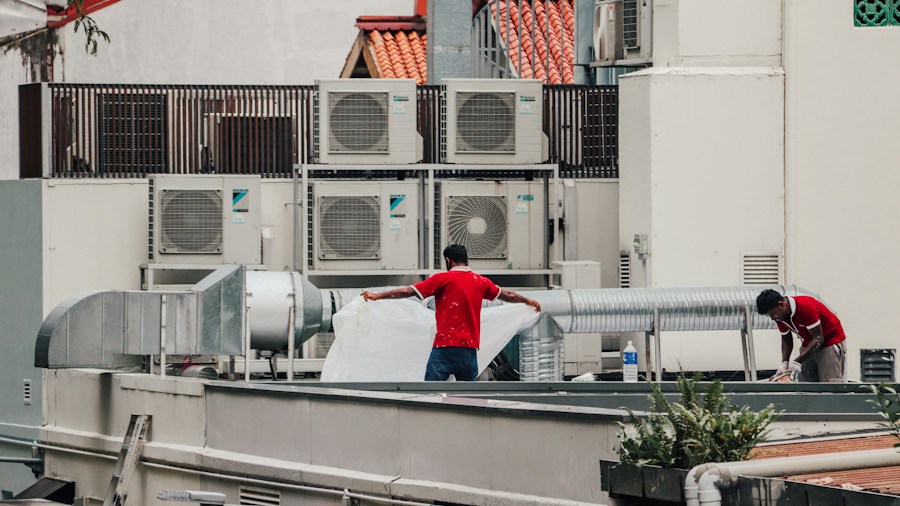
R-410A entered the U.S. market in the mid-1990s as an environmentally friendly replacement for R-22, an older refrigerant known for ozone depletion. By the early 2000s, industry leaders championed R-410A as the clear choice for new residential systems. However, adoption proved slower than expected. A 2009 survey found that only about 57 percent of contractors had been trained on and were quoting R-410A systems, signaling widespread reluctance in the field.
The EPA accelerated the transition in December 2009 when it banned the distribution and sale of pre-charged air conditioning equipment containing R-22 beginning January 1, 2010. This regulatory push was intended to move the industry toward R-410A, but multiple factors complicated the shift. Manufacturers continued shipping R-22-compatible equipment without refrigerant, allowing contractors to service existing systems without conversion. Converting to R-410A required costly equipment investments and extensive consumer education, creating barriers that slowed the transition for years.
Why the Industry Moved Beyond R-410A
By 2016, a new environmental concern emerged. The Kigali Amendment to the Montreal Protocol targeted high global warming potential (GWP) refrigerants like R-410A for phase down. While the U.S. took time to implement these restrictions, manufacturers recognized the environmental impact of operating air conditioners not just through leaked refrigerant but also through the carbon emissions generated to power them. This dual concern accelerated research into lower-GWP alternatives.
Industry experts began investigating newer options such as R-32 and R-454B, both classified as A2L refrigerants, which means they offer significantly lower environmental impact with minimal flammability. Proper training and certification became essential as technicians adapted to these new refrigerants, with manufacturers and trade organizations emphasizing that contractors unable to keep pace would struggle competitively.
What the New Regulations Mean for Homeowners
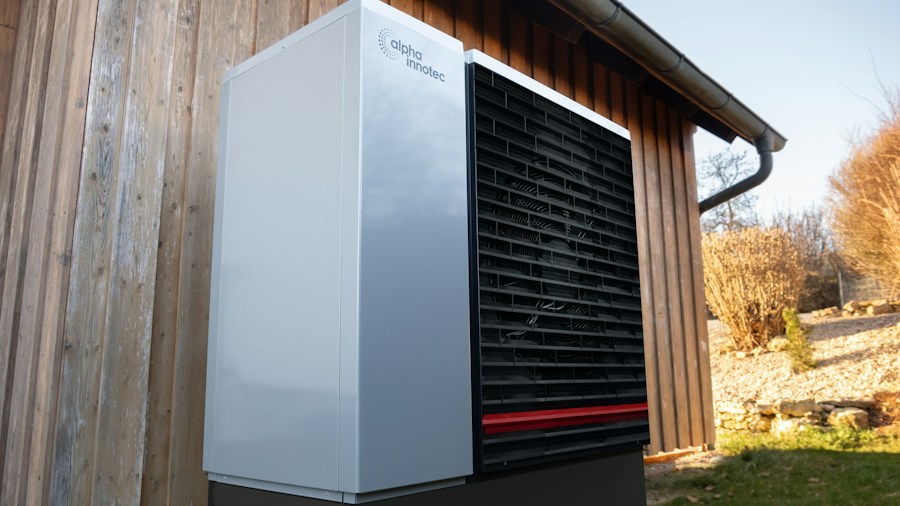
In 2023, the EPA finalized the Technology Transitions Rule, establishing a 700 GWP limit for most new residential and light commercial air conditioning and heat pump units. Beginning in 2025, new HVAC equipment manufacturing and imports must comply with these restrictions, forcing widespread adoption of R-32 and R-454B systems. This regulatory change has profound implications for homeowners.
If your current HVAC system uses R-410A, you do not need to replace it immediately. Existing equipment will continue operating legally. However, if your system requires refrigerant service due to a leak, obtaining R-410A becomes increasingly difficult and expensive as production winds down. Supply chain pressures and manufacturing transitions may create longer service wait times, making proactive system maintenance more important than ever.
For homeowners considering a new HVAC system, the equipment you purchase after 2025 will almost certainly use an A2L refrigerant. These newer systems offer improved environmental performance and align with long-term regulatory trends, potentially providing better value and fewer complications over the system’s lifespan.
Planning Your HVAC Future
The takeaway for homeowners is straightforward: if your R-410A system is performing well, keep it running and maintain it regularly. Preventive maintenance extends system life and prevents costly emergency repairs when service becomes scarce. If replacement is necessary, newer A2L systems represent the industry standard and offer environmental benefits without requiring you to worry about future regulations.
Work with qualified, certified contractors who understand both older and newer refrigerant technologies. As HVAC technology continues evolving, technician expertise matters more than ever. Ask your contractor about their experience with A2L refrigerants and whether they recommend replacement now or continued servicing of your existing system. This transition, while complex for the industry, ultimately moves homeowners toward more efficient and environmentally responsible climate control.











Write Your Review
No reviews yet. Be the first to share your experience!