

Winter Heating Poses a Hidden Risk to Your Indoor Plants
As temperatures drop and homeowners flip on their heating systems, indoor houseplants face a threat that many people overlook entirely. According to horticultural experts, the warm, dry air produced by furnaces and heating vents can cause serious damage to delicate houseplants, leading to yellowing leaves, pest infestations, and even plant death. This seasonal challenge affects plant parents across the country who are simply trying to keep their homes comfortable during winter months.
The problem intensifies because indoor environments experience extreme temperature fluctuations that plants would never encounter in their natural habitats. When a heating vent or fireplace blasts hot air directly onto nearby plants, the stress can be immediate and severe. Prolonged exposure to dry indoor heat creates conditions that weaken plants and make them vulnerable to additional problems.
Which Houseplants Face the Greatest Risk
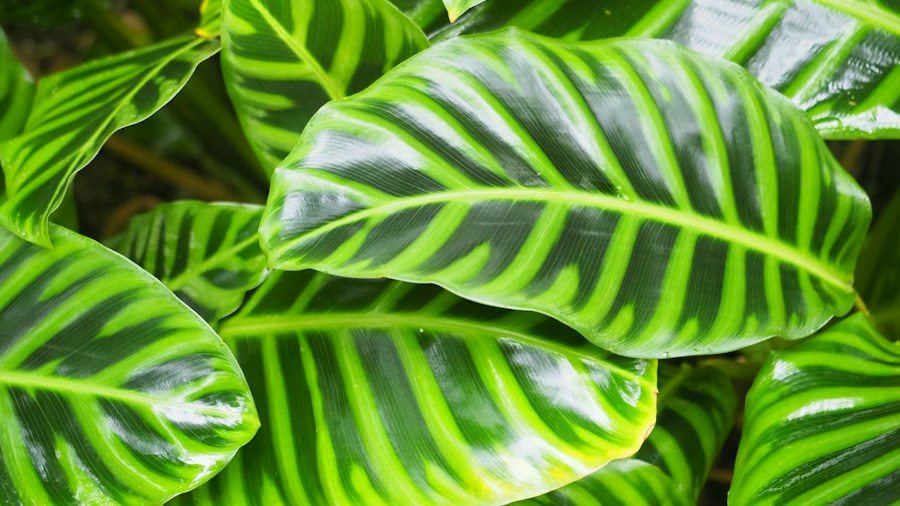
Not all houseplants suffer equally from winter heating. The key factor determining vulnerability comes down to leaf structure. Plants with thin, delicate leaves lack the capacity to store water the way thick-leaved varieties do, making them far more susceptible to dehydration when exposed to dry heat.
These thin-leaved houseplants are most at risk during winter:
- Ferns
- Calatheas
- Peace lilies
- Prayer plants
- Ivy varieties
- Polka dot plants
- Nerve plants
In contrast, plants with fleshy, waxy foliage like succulents, ZZ plants, and snake plants store moisture in their leaves and handle dry air much better. If you own any of the high-risk varieties mentioned above, paying attention to heating placement becomes essential during winter.
Why Spider Mites Thrive in Heated Homes
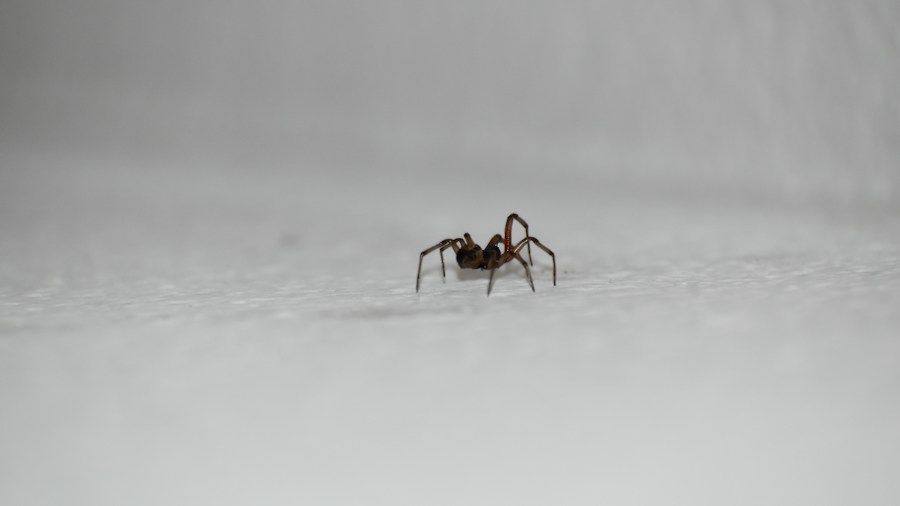
Beyond dehydration and leaf damage, indoor heating creates perfect breeding conditions for houseplant pests. Spider mites reproduce rapidly when exposed to warm, dry air. A single egg can hatch, mature, and produce more eggs in just seven days, meaning pest populations can explode exponentially if left unmonitored. This turns a simple heating situation into a potential infestation crisis if you are not careful about regular plant inspections.
The combination of heat stress and pest vulnerability makes winter heating season particularly dangerous for susceptible houseplants. Weakened plants cannot defend themselves against pest attacks as effectively, creating a downward spiral of declining plant health.
Practical Solutions for Winter Heating Management
The good news is that protecting your houseplants during winter does not require shutting off your heat. Instead, strategic placement and environmental management solve most heating-related problems. Start by identifying all heat sources in your home, including heating vents, radiators, and fireplaces. If you have a beautiful plant sitting on your mantle, relocate it to a safer spot away from direct heat exposure. Even moving a plant slightly out of the direct airflow path from a vent makes a significant difference.
Temperature consistency matters greatly for indoor plant health. The ideal range for most houseplants falls between 60 and 75 degrees Fahrenheit. A simple room thermometer helps you monitor temperature fluctuations and identify problem areas in your home. Proper seasonal care adjustments protect plants through temperature transitions, so understanding your indoor climate becomes crucial knowledge.
Watering practices require adjustment during winter months as well. Overwatering remains one of the most common houseplant mistakes, yet dry indoor air makes people think their plants need more water. Use a soil moisture meter to determine actual watering needs rather than guessing. This tool gives accurate readings and prevents both under and overwatering during the heating season.
Humidity becomes your ally against dry winter air. Grouping plants together naturally increases surrounding humidity levels as they transpire. Alternatively, pebble humidity trays placed under pots or portable humidifiers placed nearby create moister microclimates. Understanding your houseplant varieties helps you provide appropriate growing conditions, including humidity preferences unique to each species.
Protecting Houseplants From Winter Stress
Beyond managing heat, winter brings additional cold dangers that compound heating-related stress. Keeping plants away from cold drafts matters just as much as avoiding heating vents. Insulating materials like burlap can protect pots in particularly cold rooms, providing buffering against temperature extremes.
Winter houseplant care requires consistent attention even when plants show minimal growth. Many plant parents neglect their indoor collections during winter, assuming dormancy means no action is needed. However, winter conditions demand more monitoring and adjustment, not less. Regular inspection for pests, careful attention to soil moisture, and strategic placement away from heating sources will keep your houseplants healthy through the cold season and ready to thrive when spring arrives.










Write Your Review
No reviews yet. Be the first to share your experience!