

The heating and cooling industry is signaling another round of cost increases heading into late autumn, with major manufacturers announcing price hikes that will affect both residential and commercial customers. These increases, ranging from 3 percent to 15 percent depending on the product and manufacturer, take effect primarily in November 2026, and homeowners should understand what this means for their purchasing decisions and timeline.
Major Price Increases Announced Across the Industry
Multiple HVACR manufacturers have disclosed upcoming price adjustments. Aire Technologies is implementing an 8 percent increase starting November 1, while Duro Dyne is rolling out increases between 4 and 15 percent by product category on the same date. Resideo and Honeywell have also announced a price increase effective November 1, though the specific percentage has not been disclosed publicly. Modular Metal Fabricators is raising prices 8 percent on standard metal products and 8.5 percent on aluminum products, effective November 2. Later in the month, Parker Hannifin’s HVAC Filtration Division will implement an increase on November 16, and Gastite will apply a 6 percent hike to its FlashShield and CSST product lines on November 23.
These staggered implementation dates mean that different components and systems will see price changes at different times throughout the month. Homeowners considering new HVAC installations or replacements should be aware of these timing differences when requesting quotes.
What This Means for Your HVAC Budget

If you have been planning to replace an aging furnace, air conditioner, or heat pump system, the timing of these increases matters significantly. Requesting quotes and locking in prices before November 1 could help you avoid the higher costs that will take effect at the beginning of the month. The variation in increase amounts across different manufacturers and product categories means that your actual cost increase will depend on which equipment and brand your contractor recommends.
For homeowners already under contract with an HVAC installer, reviewing the contract terms is important. Some agreements may specify pricing as of a particular date, while others include price-escalation clauses that could shift the burden of these increases to you. Speaking with your contractor about how these announced increases might affect your project timeline or final bill is a conversation worth having sooner rather than later.
Why Prices Keep Rising in the HVAC Sector
The heating and cooling industry has experienced multiple rounds of pricing adjustments over the past year. These increases typically stem from factors including raw material costs, supply chain complexities, labor expenses, and manufacturing capacity decisions. Major HVAC policy changes coming to your home have also influenced how manufacturers approach production and distribution, which can affect pricing strategies.
The frequency of these announcements suggests that cost pressures on manufacturers remain persistent. Understanding that these increases are industry-wide rather than isolated to a single company can help you make more informed decisions about when and how to move forward with system upgrades.
Steps to Take Before November Price Increases Hit
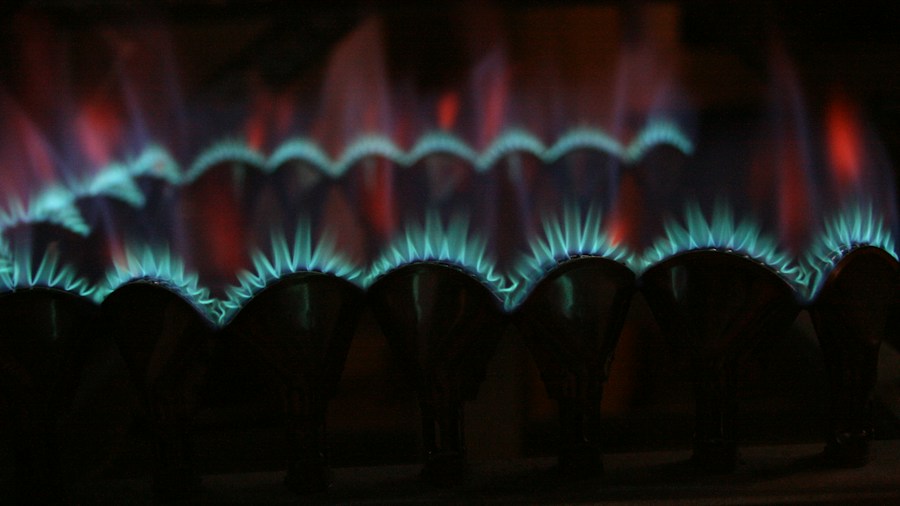
If you are considering HVAC work, act quickly by reaching out to licensed contractors for quotes. Getting multiple estimates in writing before November 1 gives you a clear baseline for comparison and may allow you to lock in current pricing. Ask your contractor explicitly whether their quote is valid through a specific date and whether they will honor current pricing if you proceed quickly.
For those planning major HVAC projects in the coming months, having a well-maintained existing system becomes even more important. Regular maintenance can extend the life of current equipment and prevent emergency replacements that force you to accept whatever pricing is current at that moment. Why your home gets so dusty and expert solutions often relate directly to system efficiency, so keeping your equipment clean and serviced helps you avoid the scenario of needing an urgent replacement at peak cost.
Additionally, understanding how contractors operate can give you an advantage when negotiating terms. How referral strategies shape your HVAC service sometimes creates opportunities for better pricing or faster scheduling, particularly if you work with established contractors in your area who value repeat business and referrals.
Moving Forward with Confidence
Price increases in the HVAC industry are not unusual, but being informed and proactive puts you in a stronger position as a consumer. The November 2026 announcements give homeowners a clear window to gather information and make decisions. Whether you proceed immediately to beat the increases or decide to wait, doing so with current pricing information and multiple quotes in hand will help ensure you get fair value for a major home systems investment.











Write Your Review
No reviews yet. Be the first to share your experience!