

The heating and cooling industry is gearing up for significant legislative action that will shape how HVAC systems are installed, maintained, and regulated across the country. Industry leaders have announced a clear agenda for the incoming Congress, focusing on three major areas: indoor air quality improvements, apprenticeship program reforms, and federal funding priorities. Understanding these shifts now can help homeowners and contractors prepare for changes ahead.
Indoor Air Quality Legislation Takes Center Stage
One of the most important developments affecting HVAC shoppers is the push for stronger indoor air quality standards, particularly in schools. The Sheet Metal and Air Conditioning Contractors’ National Association has made clear that improving how we breathe indoors is a bipartisan priority. Recent data reveals that roughly one in three school districts currently struggle with ventilation or indoor air quality problems, creating health concerns for millions of students.
The proposed Indoor Air Quality and Healthy Schools Act would establish science-based voluntary guidelines for indoor contaminants and expand federal oversight of school air systems through expanded EPA assessments and technical guidance. Beyond schools, the legislation includes tax incentives for commercial building owners who upgrade their HVAC systems and conduct air quality assessments. For residential consumers, this means greater awareness of air quality issues and potentially more accessible resources for evaluating your own home’s ventilation.
Association leaders plan to reintroduce these measures immediately after the new Congress convenes, signaling that this is not a temporary initiative but a sustained focus area regardless of political shifts. HVAC technology has evolved dramatically over the past two decades, making modern systems capable of much better air quality monitoring and control than older equipment.
Apprenticeship Program Changes and What They Mean

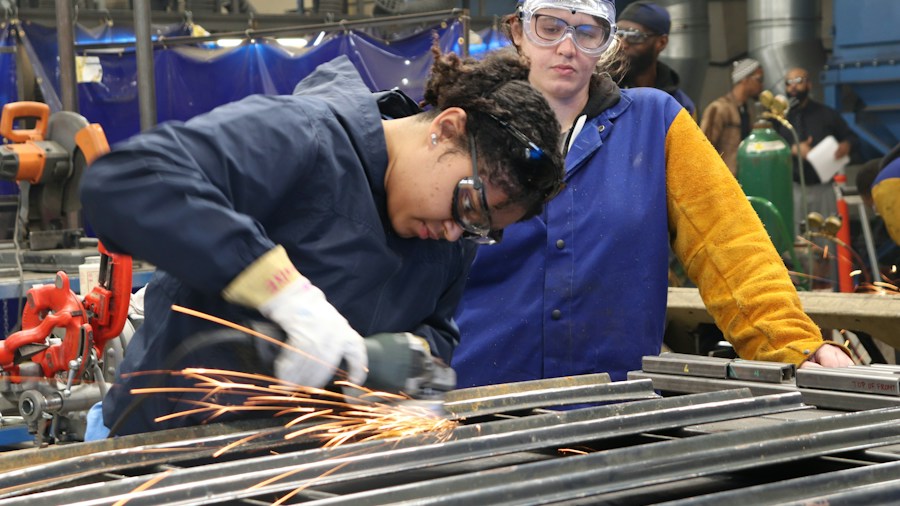
The HVAC industry faces proposed changes to federal apprenticeship requirements that could reshape how training programs operate nationwide. Industry representatives have raised concerns about how new federal standards will align with existing state-level apprenticeship programs and whether increased political involvement in competitive grant decisions could destabilize ongoing training initiatives.
For homeowners, the quality of apprenticeship programs directly affects the expertise of the technicians installing and servicing your systems. Disruptions to training pipelines could potentially impact contractor availability and the skill level of new technicians entering the field. The industry is pushing for changes that preserve alignment between federal requirements and state standards while maintaining consistent quality in workforce development.
Contractors are also advocating for protections in competitive federal grant programs to prevent project disruptions after they have already committed financing, labor, and design resources. These concerns highlight the complexity of federal involvement in HVAC infrastructure and training programs.
Material Costs and Federal Funding Remain Key Concerns
Rising material costs continue to affect HVAC system pricing and installation budgets. Industry associations are pressing lawmakers to address supply chain issues and federal funding mechanisms that support both residential and commercial HVAC work. Recent innovations in smart HVAC systems demonstrate how the industry adapts to new demands, but these advances require stable supply chains and adequate funding for contractor operations.
The distinction between formula-funded programs and competitive grant programs matters for overall industry stability. Formula-funded initiatives provide predictable support, while competitive programs introduce uncertainty that concerns contractors planning major projects or expansions.
State-Level Action Leads the Way
Beyond federal initiatives, HVAC policy work is happening at the state level, where lawmakers are addressing indoor air quality, prompt payment requirements, apprenticeships, and workforce development. State-level efforts often serve as testing grounds for policies that eventually become federal standards, making state elections and legislative sessions important to monitor.
Denise Murphy McGraw, SMACNA’s special assistant for political affairs, emphasized that state initiatives frequently demonstrate whether approaches work in practice before being scaled nationally. This means state policy decisions can signal future trends that will affect homeowners and contractors nationwide.
What Shoppers Should Do Now
For homeowners considering HVAC upgrades or installations, these developments suggest timing may matter. Increased focus on air quality standards could lead to equipment upgrades becoming more affordable through incentive programs. Apprenticeship improvements should eventually lead to a more skilled workforce available for installations and maintenance.
Staying informed about indoor air quality legislation helps you understand why contractors might recommend certain upgrades and what government support programs might become available. Recent federal initiatives targeting HVAC systems in military housing show growing government interest in system reliability and maintenance standards, a trend likely to expand into broader housing policy.
The HVAC industry’s policy agenda remains consistent across party lines, indicating genuine industry and public health concerns driving these initiatives. For homeowners, this means cleaner air and better-trained technicians are becoming policy priorities, even as the political landscape shifts.











Write Your Review
No reviews yet. Be the first to share your experience!