

Congress is moving forward with legislation that will fundamentally change how military family housing is inspected and maintained, with a major focus on heating and cooling systems. The Military Occupancy Living Defense Act, or MOLD Act, represents a significant shift in accountability for privatized military housing providers and signals growing federal concern about indoor air quality standards across all government facilities.
Why Military Housing Inspections Are Changing
For years, military families have reported serious problems in privatized housing units, including mold, moisture damage, and broken air-conditioning systems. Even after problems were identified by inspectors, repairs often dragged on or were never completed. A Department of Defense inspector general review found that between 2021 and 2022, privatized housing officials at Naval Air Station Key West failed to properly address significant mold and moisture issues that had been documented during inspections. Follow-up Navy inspections between 2024 and 2025 revealed the same problems persisted.
Members of Congress, including Representatives from both parties, heard firsthand from military families about unacceptable living conditions. Rep. Don Bacon highlighted sewage overflows, water quality problems, rodent infestations, mold, and broken cooling units during House Armed Services Committee hearings. The recurring message was clear: service members cannot focus on their mission when they are worried about their family’s health and safety.
What the MOLD Act Requires

The bipartisan proposal introduced in January 2026 establishes specific environmental standards and mandates independent inspections of privatized military housing. For the first time, HVAC systems would be explicitly included in inspection protocols alongside plumbing, electrical systems, and structural evaluations.
The legislation sets a clear humidity threshold: indoor relative humidity must remain below 50%, which aligns closely with Environmental Protection Agency recommendations to keep it between 30% and 50%. Inspections would be triggered by specific events, including tenant turnover, safety complaints, and after corrective work is completed.
Critically, housing providers would be held financially accountable for repairs, remediation, and even relocation of families if units fail inspection standards. Under the current system, many families bear the burden of living in unsafe conditions while repairs are delayed or denied. The MOLD Act changes that equation by placing responsibility squarely on landlords.
What This Means for HVAC Systems
The Sheet Metal and Air Conditioning Contractors’ National Association strongly supports the legislation, arguing that addressing surface damage without fixing underlying ventilation and moisture problems simply sets up the next family to face identical issues. Proper HVAC inspections will focus on condensate drainage, duct insulation, and whether systems are appropriately configured for local climate conditions.
Inspectors will look for standing water beneath cooling coils, check that drain pans slope correctly toward functioning drains, and verify that ducts in unconditioned spaces are properly sealed and insulated. Ventilation strategies also matter: bringing in more outdoor air is not always the right fix for indoor moisture problems, especially during warm, humid months. That is why professional evaluation against specific environmental standards is so important. HVAC contractors are increasingly sophisticated in diagnosing moisture control, and the MOLD Act will standardize those practices across military housing.
Broader Federal Attention to Indoor Air Quality
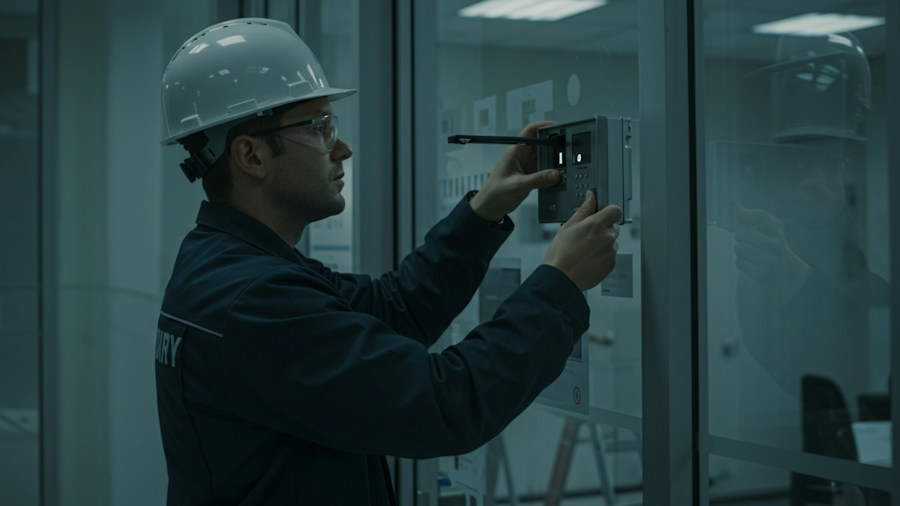
The military housing initiative is part of a larger push to improve ventilation and air quality across all federal facilities. Separate legislation introduced in Congress would direct the Government Accountability Office to conduct a government-wide review of HVAC performance in federal buildings, including schools and military installations. That audit would examine compliance with existing standards, how agencies monitor conditions, and whether identified hazards are actually corrected.
The federal facilities measure also addresses worker qualifications for HVAC installation, maintenance, and remediation work. Industry accountability has become a central theme in recent HVAC policy discussions, reflecting recognition that poor workmanship compounds long-term problems.
What Happens Next
Failed units would require remediation or tenant relocation within 30 days. A new complaint hotline and website would allow residents to report problems 24/7, with installation housing offices required to respond within five business days and track complaints through resolution. The bill also mandates that personnel assessing or remediating mold and water damage meet third-party certification requirements and comply with industry mold-remediation standards.
Military family advocates have embraced the legislation as a matter of basic human dignity. The Senate Armed Services Committee has already incorporated similar provisions into the fiscal 2027 defense authorization bill, suggesting the core principles will advance regardless of the specific bill’s fate. HVAC standards continue to evolve, and mandatory compliance with humidity thresholds will push contractors and housing providers toward more rigorous system design and maintenance practices.
For military families currently living in privatized housing, this legislation represents genuine hope that persistent problems will finally be taken seriously. For consumers in general, it signals that federal standards for indoor air quality and HVAC performance are no longer negotiable.









Write Your Review
No reviews yet. Be the first to share your experience!