

Why Dust Accumulation Is Getting Worse in Your Home
If you feel like you’re constantly wiping down surfaces no matter how often you clean, your home’s dust problem may not be a cleaning habit issue. According to home maintenance experts, several overlooked factors can make your living space significantly dustier than necessary. Understanding these causes gives you the power to reduce dust and improve your overall home environment without adding hours to your cleaning routine.
Your HVAC System May Be a Major Dust Source
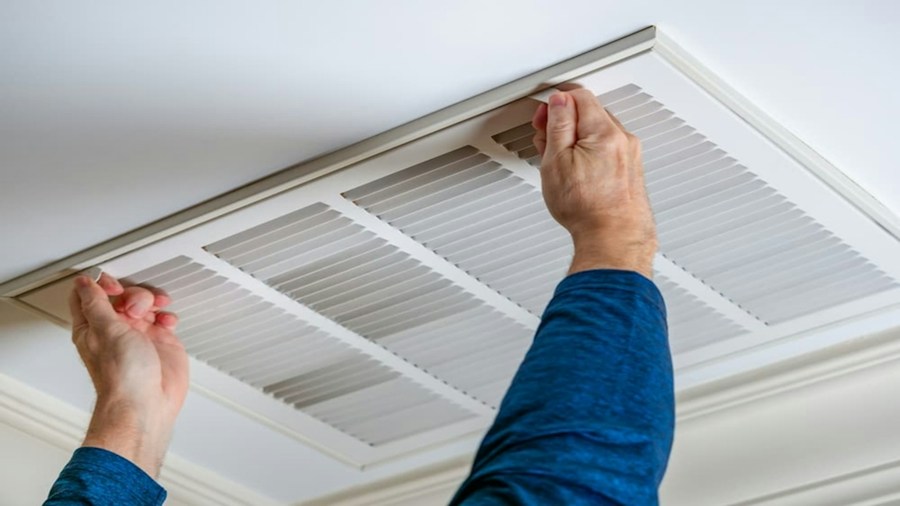
One of the most common culprits behind excessive household dust is an improperly maintained heating and cooling system. When your HVAC components aren’t regularly cleaned and serviced, they can actually distribute dust throughout your home rather than filtering it effectively. To combat this issue, remove dust from ceiling and floor vents using a soft brush vacuum attachment or a long-handled microfiber duster, then wipe with a slightly damp cloth. More importantly, replace your furnace and air conditioning filters on a regular schedule, ideally every 90 days or when they appear clogged. This single step can dramatically reduce the amount of airborne dust circulating through your living spaces. Modern HVAC systems have evolved significantly to include better filtration options, so upgrading your equipment could provide long-term dust reduction benefits.
Cleaning Frequency and Method Matter More Than You Think
Simply vacuuming and dusting inconsistently allows dust to accumulate faster than your cleaning can manage. Experts recommend vacuuming carpets and dusting furniture at least once per week, with deeper cleaning of light fixtures and blinds happening monthly. Every few months, tackle the areas behind and under furniture, mattresses, and washable bedding. The method you use also matters significantly. Traditional feather dusters actually move dust around rather than removing it, so switch to a slightly damp microfiber cloth or an electrostatic duster that uses static electricity to capture particles more effectively.
Drafty Windows and Doors Allow Dust Inside
Air leaks around windows and doors don’t just waste energy and increase utility bills, they also invite outdoor dirt, debris, and dust into your home. Test your seals by shining a flashlight along window and door frames at night. If light comes through from outside, you have a leak. Small cracks under a quarter inch can be sealed with caulk, while larger gaps may require spray foam or professional weatherization. Weighted draft stoppers placed at the bottom of doors block both air and dust particles from entering. Recent building standards have emphasized the importance of proper sealing to reduce energy loss and improve indoor air quality.
Everyday Habits That Increase Dust Accumulation

Your daily routines contribute more to indoor dust levels than you might realize. The soles of your shoes track in soil, grass, leaves, and bacteria from countless surfaces you’ve stepped on throughout the day. Simply removing shoes before entering your home can substantially reduce dust introduction. Similarly, if you own pets, their fur and skin dander contribute significantly to household dust. Regular grooming and bathing help manage this issue, along with using a HEPA-filter vacuum designed for pet hair. Clean your pet’s bedding frequently, using baking soda to deodorize before vacuuming.
Air Quality and Clutter Create Additional Dust Problems
Homes with poor air circulation develop dust buildup more rapidly than those with good airflow. Ceiling fans help move air around, and a quality air purifier with a HEPA filter can capture dust mites and dander. Opening windows when weather permits introduces fresh air and reduces stagnant dust accumulation. Excessive decorative items, books, and knickknacks create numerous surfaces where dust settles and many crevices that are difficult to clean. The more clutter you have, the more areas dust can hide and the more your clutter interferes with air circulation. An electrostatic duster or even a clean paintbrush can reach tight spaces before you wipe everything with a microfiber cloth.
What This Means for Homeowners
Addressing dust problems requires a multi-pronged approach rather than simply cleaning more frequently. Start by scheduling regular HVAC maintenance and filter changes. Seal any drafts around doors and windows. Adjust your cleaning routine to match expert recommendations, and switch to microfiber tools. Reduce clutter to improve air circulation. These changes work together to significantly lower the dust settling in your home. Investing in advanced HVAC systems with superior filtration can provide additional long-term benefits for dust reduction and overall air quality. By tackling the root causes rather than just the symptoms, you’ll spend less time cleaning and more time enjoying a genuinely cleaner home.











Write Your Review
No reviews yet. Be the first to share your experience!