

When you think of IKEA, affordability and Scandinavian design typically come to mind. However, the question of how long IKEA furniture actually lasts is one that smart shoppers should understand before making a purchase. The answer isn’t straightforward, and it depends heavily on materials, construction methods, and how you care for your pieces.
Material Matters: How Long Your IKEA Furniture Will Last
Not all IKEA furniture is created equal. The lifespan of your purchase depends directly on what it’s made from. Much of IKEA’s budget-friendly collection uses manufactured wood products such as particleboard and medium-density fiberboard (MDF). These materials consist of smaller wood particles pressed into flat sheets and bonded together with resin or similar agents. While this approach keeps costs down and makes shipping easier, it affects durability.
Furniture constructed from MDF or particleboard typically lasts between 5 and 15 years, depending on usage patterns and maintenance. These materials work well for flat-pack pieces like shelving, cabinets, and drawer systems because they’re economical to produce and straightforward to assemble. However, they’re considerably less durable than solid wood alternatives.
The good news is that IKEA also manufactures higher-quality pieces from sturdy materials like solid pine and steel. Solid wood furniture can last for decades when properly maintained, making it a worthwhile investment if long-term durability is your priority. The key is knowing which products fall into which category before you add items to your cart.
Why Material Quality Affects Longevity
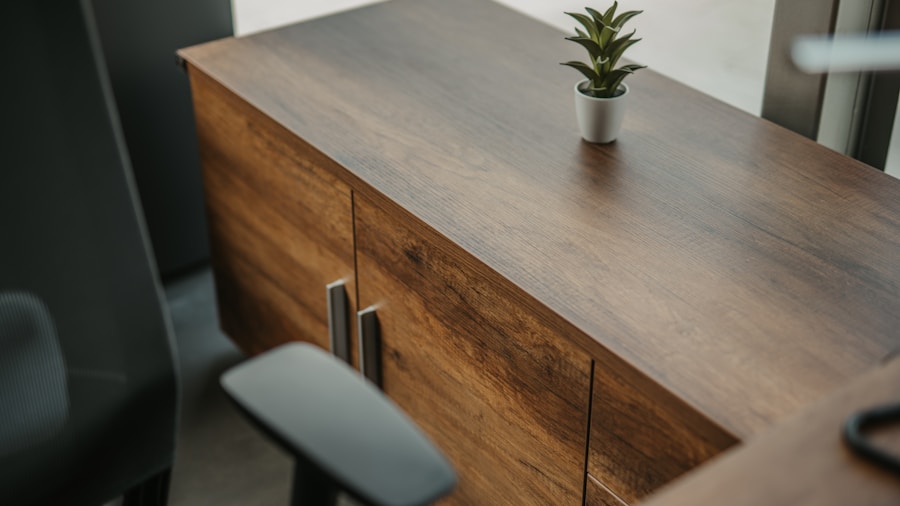
MDF is stronger and more moisture-resistant than standard particleboard, but it still can’t match authentic wood’s durability. Think of compressed wood materials like a sponge: when the fibers absorb moisture, they expand and can cause warping. Additionally, disassembling and reassembling manufactured wood furniture during moves or reorganizations creates extra stress on screw holes and joints, accelerating wear and tear.
Solid wood stands the test of time for good reason. Its natural density and structural integrity allow wooden pieces to withstand years of regular use. Many shoppers prioritize solid wood IKEA items specifically because they expect them to remain functional and attractive long-term. Modern modular furniture designs increasingly incorporate quality materials alongside innovative styling to meet durability expectations.
Extending the Life of Your IKEA Furniture
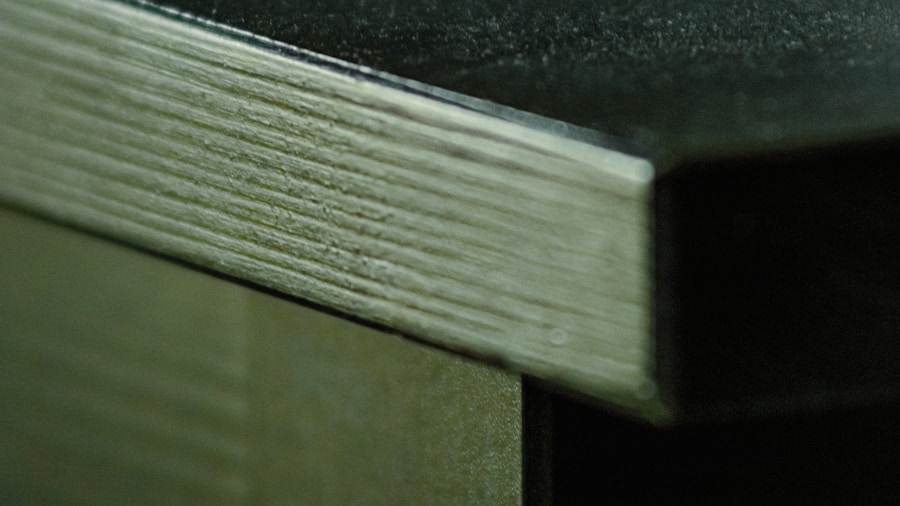
Regardless of material composition, proper maintenance significantly extends furniture lifespan. However, different materials require different care approaches. For MDF and particleboard pieces, preventing moisture damage is critical. Before assembly, waterproof exposed surfaces like edges using paint, wood sealant, or wood glue. Reinforcing screw holes with thin superglue adds strength and stability. Using quality wood glue during assembly rather than relying solely on screws creates more durable connections.
Once assembled, avoid frequent disassembly because manufactured wood doesn’t tolerate repeated dismantling well. If you must move a piece, handle it carefully to prevent damage to joints and fasteners.
Solid wood furniture demands gentler care. Regular conditioning with linseed oil preserves the wood and maintains its appearance. Avoid harsh all-purpose cleaners that can damage finishes. Instead, use mild alternatives like olive oil, lemon juice, or vinegar for cleaning. This simple approach keeps your solid wood IKEA pieces looking beautiful for decades. Proper care extends beyond interior pieces, demonstrating how maintenance protects all furniture investments.
Making Smart Shopping Decisions
Understanding durability differences helps you make informed choices aligned with your needs and budget. If you’re furnishing a space temporarily or need budget-friendly solutions, manufactured wood pieces offer solid value within their expected lifespan. If you’re investing in pieces you hope to keep long-term, solid wood and steel options justify their higher price points.
Check product descriptions and materials lists before purchasing. Many IKEA pieces clearly indicate whether they’re made from solid wood or manufactured materials. Understanding what makes furniture last helps you compare quality across all retailers and brands, not just IKEA.
The takeaway is simple: IKEA furniture can last anywhere from 5 years to multiple decades depending on materials and care. By choosing appropriate products for your situation and maintaining them properly, you’ll get genuine value from your purchase, whether that’s a temporary solution or a lasting piece for your home.











Write Your Review
No reviews yet. Be the first to share your experience!