

What Just Changed for Budget Conscious Shoppers
Homeowners and renters looking to protect their dressers and furniture drawers without spending money have discovered a practical solution: paper bags. What was once considered household waste can now serve as an effective, cost-free alternative to commercial drawer liners. This discovery matters for anyone managing a household budget who wants to maintain their furniture while keeping expenses down.
Why This Matters for Your Dresser Protection

Drawer liners typically cost between $10 and up for a 20-foot roll online, and while that may not seem expensive, these costs add up when you’re outfitting multiple pieces of furniture. The real value of this paper bag hack lies in the fact that drawer liners remain hidden from view inside your dresser, so they don’t need to look fancy. Since function matters far more than appearance for this application, paper bags make sense as a substitute.
However, before you start lining every drawer in your home, understand the limitations. Paper bags work best in closets and dressers rather than in kitchen cabinets or drawers where moisture from dishes or cooking tools could cause them to become soggy and weak. Additionally, paper liners may stain or tear more easily than vinyl or rubber alternatives, meaning you might need to replace them more frequently. When investing in a quality dresser, protecting the interior surfaces helps preserve its condition over time.
How to Line Your Dresser Drawers with Paper Bags
The process requires minimal supplies: paper bags, a tape measure, scissors, and a roll of tape. The exact number of bags you’ll need depends on your drawer dimensions and how many drawers you’re covering. Start by measuring the inside of each drawer carefully, then calculate how many paper bags you’ll need based on those measurements.
Here’s the step-by-step approach:
- Lay a paper bag flat on a clean work surface like a table or desk
- Use scissors to cut down one side and along the bottom to open it up completely
- Unfold the bag and compare it against your earlier measurements
- If the bag is too large, trim the excess material with scissors
- If you need more coverage, cut another bag and use tape to connect the pieces
- Once the liner fits your drawer dimensions, place it inside and smooth it flat with your hands
The entire project is straightforward and focuses on practicality over aesthetics. Understanding your dresser’s design and function can help you determine which drawers benefit most from lining protection.
Making Your DIY Liners More Attractive
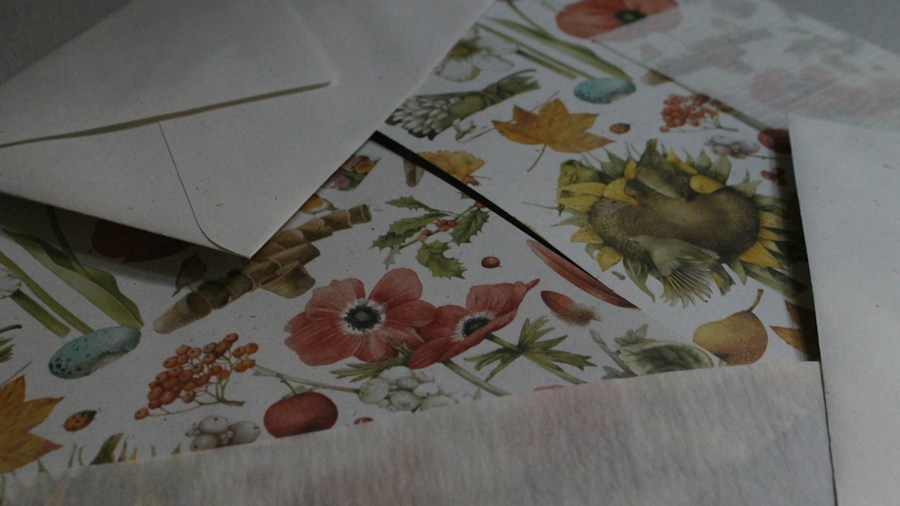
While this hack prioritizes function, you can still make your paper bag liners more visually appealing if you choose. Before installing them in your drawers, consider painting the paper in colors that complement your room decor or simply doodling designs on the surface. For a more involved craft project, treat the paper bags like scrapbook pages by adding decorative elements such as printed letters, motivational quotes, or images cut from magazines.
These creative touches don’t affect the liners’ protective function but can make the process more enjoyable and add personality to your storage solution. When properly maintaining your dresser, keeping the interior clean and protected extends its useful life significantly.
The Bigger Picture for Home Economy
This paper bag drawer liner hack represents a larger trend in household management: repurposing items you already have instead of purchasing new products. In an economy where household expenses continue to climb, finding creative ways to protect your furniture without additional spending makes financial sense. Whether you’re a renter concerned about losing a security deposit or a homeowner investing in long term furniture care, this method accomplishes both goals.
The key advantage remains clear: you save money while still protecting your dresser drawers from scratches, dust, and damage. Since paper bags are free if you already receive them from shopping, the only real investment is your time to measure, cut, and install them. For anyone looking to maintain their home furnishings on a budget, this practical solution deserves consideration.












Write Your Review
No reviews yet. Be the first to share your experience!