

Furniture tip-over incidents are a serious safety concern that many homeowners overlook. According to recent data from the Consumer Product Safety Commission, over 580 tip-over fatalities involving furniture and appliances occurred in the United States between 2000 and 2020, with children accounting for 81% of those deaths. Even a dresser that seems sturdy and heavy can pose a genuine risk, especially in homes with curious toddlers or active children. Taking proactive steps to secure your dressers can protect your family and give you peace of mind.
Understand What Causes Tip-Overs
A common misconception is that only lightweight or flimsy dressers tip over. In reality, any dresser can become unstable under certain conditions. Weight distribution matters significantly: when items are stacked on top of the dresser or when drawers are opened simultaneously, the center of gravity shifts. Placing a dresser on an uneven surface, such as a plush rug or carpeting, can also increase tipping risk. The STURDY Act, which took effect in 2023, now requires manufacturers to test dressers for tipping stability before sale, but additional precautions remain wise for households with children.
Install Anti-Tip Kits to the Wall Studs
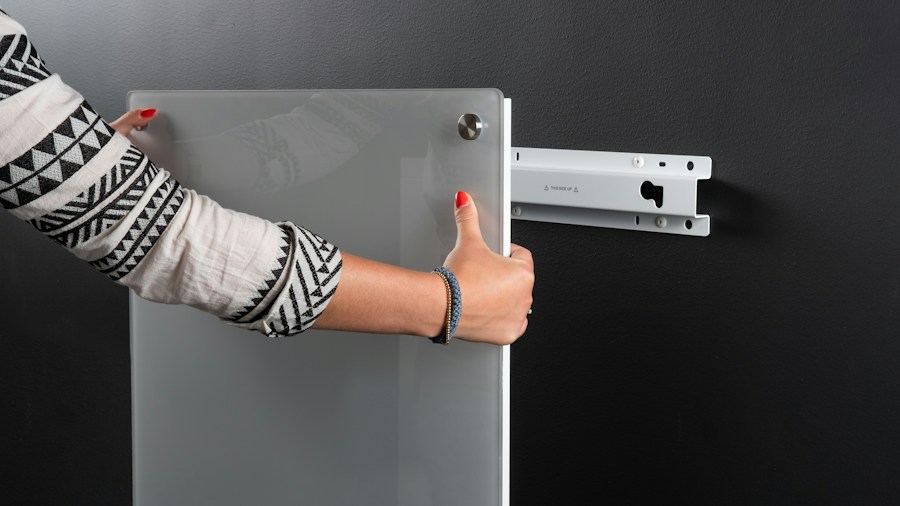
The most effective safety measure is securing your dresser directly to the wall using an anti-tip kit. These kits typically cost around $10 and consist of metal or plastic brackets connected by heavy-duty nylon straps or braided steel cables. Installation is straightforward: attach one bracket to the dresser frame and the other to a wall stud, then thread the cable or strap through both and tighten until secure. You can find these kits at major retailers, hardware stores, and online marketplaces.
When selecting a kit, prioritize models with metal brackets and industrial-strength straps or cables, as these withstand years of use better than cheaper alternatives. Most standard dressers require at least two sets of brackets, though larger or wider pieces may benefit from three or more. If you have stacked dressers, anchor them together before securing the assembly to the wall.
Screw Into the Frame, Not the Back Panel
Proper installation technique is critical for safety. Always fasten brackets into the solid wooden frame of the dresser rather than the thin, flimsy back panel, which cannot support significant weight. Locate the wall studs behind your dresser using a stud finder, as these provide the strongest anchor points. Wood studs are standard in most homes, but if yours has metal studs, purchase an anti-tip kit specifically designed for metal, which requires different fasteners.
In most cases, you’ll swap standard wood screws for 1.625-inch fine-thread drywall screws when working with metal studs. If no studs are accessible in the desired location, use heavy-duty drywall anchors rated for at least 50 pounds of pull force combined with toggle bolts. Always follow the kit manufacturer’s installation guide for your specific situation.
Distribute Weight Strategically
Beyond securing the dresser to the wall, you can reduce tip-over risk by managing how you use and load the furniture. Store your heaviest items, such as sweaters, jeans, or winter clothing, in the lower drawers. This keeps the dresser’s center of gravity low and stable. Conversely, avoid placing heavy decorative objects, picture frames, or lamps on top of the dresser, as this creates a top-heavy condition that increases instability.
This approach also discourages children from climbing on the dresser, since there are fewer interesting items to grab at the top. If you’re redesigning your bedroom storage, consider repurposing old dresser drawers for under-bed storage to reduce clutter and the temptation for climbing.
Add Drawer Safety Locks
Children are naturally curious and eager to climb, and opening multiple dresser drawers simultaneously can destabilize the entire piece. Install drawer straps or safety locks to prevent kids from pulling drawers open unexpectedly. Self-adhesive cabinet locks are widely available and cost approximately $9 for a set of 12. These locks are easy to install and create a simple barrier that discourages drawer access without requiring tools or permanent modifications.
Choose Your Dresser Wisely
If you’re in the market for a new dresser, select one that feels solid and well constructed. Examine how drawers glide and whether the overall frame feels sturdy when gently rocked. A quality affordable dresser doesn’t have to be expensive, but it should meet basic durability standards. Look for models with reinforced drawers and heavy-duty slides.
Plan for Furniture Modifications
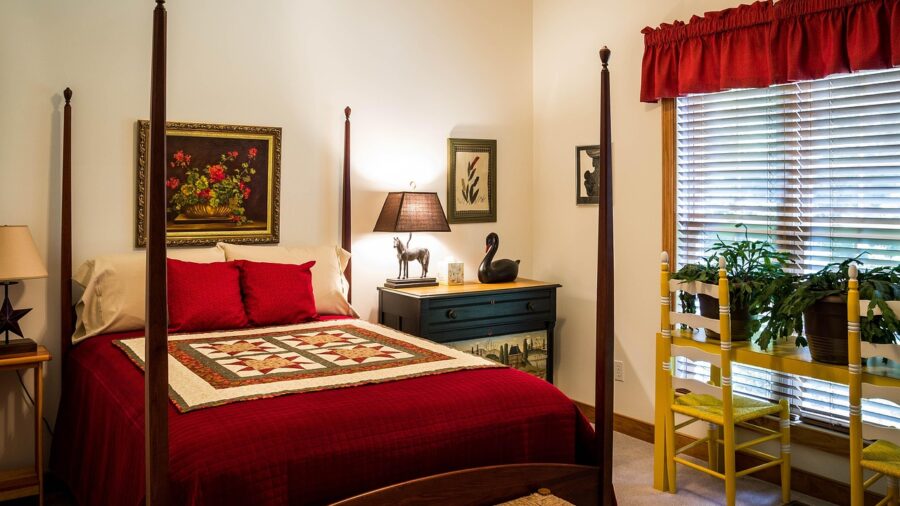
If you enjoy DIY projects and want to add extra storage capacity to existing furniture, there are creative options available. For example, you can enhance a dresser using recycled materials to maximize functionality without replacing the entire piece. Just remember that any modifications should not compromise the dresser’s stability or its ability to be securely anchored to the wall.
Take Action Today
Securing your dresser takes only a few hours and costs minimal money, yet the safety benefit is immeasurable. Whether you live in a home with young children or simply want to protect your belongings from accident-related damage, these preventive steps are worthwhile investments. Start by locating your wall studs, purchasing an appropriate anti-tip kit, and following installation instructions carefully. Your family’s safety is worth the effort.











Write Your Review
No reviews yet. Be the first to share your experience!