

European Summit Unveils Dental Devices Targeting Sleep Apnea and Snoring
At a major gathering of dental and sleep medicine professionals in Spain, two new clear aligner systems designed to address sleep apnea and related breathing issues were officially introduced to the international market. While these products are not yet available in the United States, they represent a significant advancement in how dentists and orthodontists approach airway-related conditions and represent an important trend that may eventually reach American consumers.
What These New Systems Do

The first system, called SA/SA Plus, is a clear aligner technology that incorporates a locking mechanism specifically engineered to manage primary snoring and mild-to-moderate obstructive sleep apnea. Unlike traditional clear aligners used purely for straightening teeth, this system addresses the underlying airway concerns that contribute to sleep-breathing disorders. This dual functionality means patients who need both orthodontic correction and sleep apnea management may eventually have access to an integrated solution.
The second product, AG KIDS, is a craniofacial growth guidance system designed for children ages three to sixteen. This system works to guide facial growth across multiple dimensions while supporting orofacial myofunctional training, which involves exercises and techniques that improve mouth and facial function. Early intervention through these growth-guidance approaches may help prevent or reduce the severity of sleep-breathing problems before they develop into serious conditions.
Why This Matters for Shoppers
Sleep apnea affects millions of Americans and can lead to serious health complications if left untreated. Many patients abandon traditional sleep apnea treatments early due to discomfort or inconvenience. The introduction of clear aligner systems that combine orthodontic benefits with sleep apnea management could offer a more appealing option for people seeking less intrusive solutions than machines like CPAP devices.
For parents, the emphasis on early intervention for children is particularly noteworthy. By identifying and addressing airway and growth issues during childhood, clinicians may be able to prevent or minimize sleep apnea severity in adulthood. Signs that warrant professional evaluation include mouth breathing, abnormal tongue posture, and narrow dental arches.
A Multidisciplinary Approach to Airway Health
The launch of these systems reflects a broader shift in how the dental field approaches airway management. At the European conference where these products debuted, nearly 300 orthodontists and dental sleep medicine experts from 27 countries discussed the importance of assessing breathing patterns and orofacial function alongside traditional dental considerations. This integrated approach means your dentist or orthodontist may play a larger role in identifying and managing sleep-related breathing disorders than in the past.
Experts emphasized that while dental professionals can identify potential risk indicators during routine clinical assessments, the formal diagnosis of sleep apnea remains the domain of medical specialists. For children showing higher-risk signs, appropriate multidisciplinary referral to both medical and dental professionals is recommended. Sleep apnea screening has taken on added importance in recent years as medical organizations have recognized its widespread impact across different populations.
Mandibular Repositioning Technology
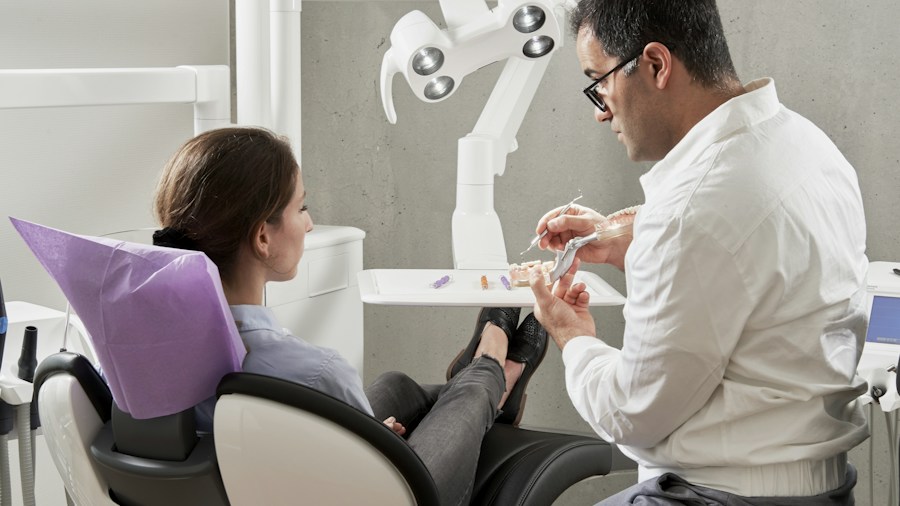
Another key focus of the conference discussions was mandibular repositioning, which refers to the forward movement of the lower jaw to help open the airway. Experts noted that careful three-dimensional assessment is essential before using this approach, as the jaw position must be evaluated from multiple angles to ensure proper treatment planning. When properly selected for appropriate patients, mandibular advancement appliances may form part of a comprehensive sleep apnea management strategy.
When Will These Arrive in the US?
Currently, these new systems are available only in Europe. The company behind these products has indicated plans to continue expanding its international presence, with another European summit planned for Rome in 2027. For US consumers, this development signals that innovation in sleep apnea treatment is accelerating, and new options may eventually become available domestically.
If you are considering orthodontic treatment or have been diagnosed with sleep apnea, discussing these emerging technologies with your dental provider can help you understand what options may become accessible to you in the future. For now, traditional treatments remain the standard of care in the United States, but staying informed about international innovations helps you make better decisions about your long-term health and treatment choices.












Write Your Review
No reviews yet. Be the first to share your experience!