

A major new survey has revealed a troubling pattern among people with obstructive sleep apnea (OSA): more than half of those who stop using their prescribed treatments do so within just six months of beginning therapy. The findings underscore a critical gap in how patients manage this serious condition and what options are available to keep them engaged in long-term care.
High Dropout Rates Signal a Bigger Problem
Recent research compiled through the Untreated OSA Initiative Survey found that 52 percent of adults who discontinued positive airway pressure (PAP) therapies or oral appliances began skipping doses within the first six months of treatment. Even more concerning, 70 percent of all untreated adults living with OSA have never seriously attempted to restart treatment after stopping. According to surveyed healthcare professionals, 60 percent of patients who abandoned treatment never returned to discuss alternative approaches or resuming care.
These numbers reveal a disconnect between diagnosis and sustained management. Patients receive a diagnosis, yet many find themselves unable or unwilling to continue their prescribed therapy path. This gap has real consequences for health and quality of life.
Why Patients Struggle to Stay on Track

The survey results highlight multiple barriers keeping people from sticking with treatment. More than half (56 percent) of diagnosed adults living with untreated OSA agreed that managing the condition sometimes feels just as burdensome as the sleep apnea symptoms themselves. This perception represents a major psychological hurdle that manufacturers and clinicians must address.
Among the most surprising findings: 93 percent of diagnosed, untreated adults reported that their OSA impacts their day-to-day life, yet 59 percent described the impact as moderate or severe. This paradox suggests that while patients recognize OSA affects them, they may underestimate the long-term health risks or struggle to prioritize treatment over other life demands.
Gender and age play a role too. Women in the 40-55 age range (menopause years) reported snoring for an average of 10 years before receiving a diagnosis, compared to just 17 percent of all untreated adults. This delay means these patients may be dealing with years of unmanaged symptoms before seeking help.
Bed Partners and Relationship Impact
The survey also captured perspectives from bed partners, revealing how OSA extends beyond the individual patient. Among partners surveyed, 95 percent reported their own sleep was disrupted by their partner’s condition. Additionally, 40 percent now sleep in separate rooms to manage the disturbance, and 75 percent said their partner’s untreated OSA has affected their relationship quality. This relationship toll may actually motivate some couples to explore treatment solutions together.
What This Means for Shoppers
For consumers evaluating sleep apnea treatment options, these findings carry important implications. First, they underscore that starting treatment is only the beginning of managing OSA effectively. Pregnant women with sleep apnea have seen increased medical attention recently, and all diagnosed patients should expect ongoing adjustments to their approach.
Second, if you’ve previously tried and abandoned a sleep apnea therapy, the survey data shows you’re far from alone. The fact that such a large proportion of patients struggle with adherence suggests that the problem often lies not with patient motivation but with the fit between therapy type and individual lifestyle. This is an important message: if one treatment path felt too difficult, exploring alternatives with your healthcare provider may be the solution.
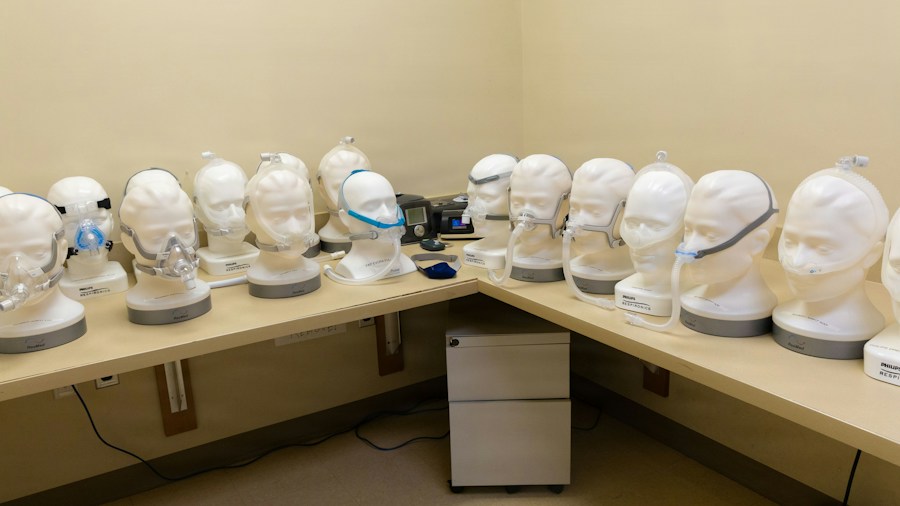
Third, shoppers should understand that sleep apnea treatment options continue to expand and evolve, giving patients more choices than ever before. PAP devices come in various styles and pressure settings. Oral appliances offer an alternative for people who cannot tolerate masks. And emerging pharmaceutical options may soon provide additional pathways for managing the condition.
Communication with Your Healthcare Provider Is Key
The survey found that 61 percent of healthcare professionals identified a perception gap regarding how serious OSA truly is, though interestingly, only 32 percent of untreated patients agreed that such a disconnect exists. This communication challenge highlights the importance of open conversations between patients and doctors about expectations, side effects, and viable alternatives.
Shoppers evaluating treatment should come to these conversations prepared to discuss not just the medical aspects but also practical concerns: Can you realistically use this device every night? Does your lifestyle support this therapy? What support resources exist if you struggle? These questions can help identify a sustainable treatment path from the start.
The bottom line: a sleep apnea diagnosis should mark the beginning of your care journey, not the end. If you’ve struggled with treatment before or are newly diagnosed, understanding that many others face similar challenges can help reduce the isolation and stigma. Working closely with sleep medicine professionals and remaining open to trying different approaches significantly improves the odds of finding a treatment strategy you can maintain long-term, protecting your health and your relationships.












Write Your Review
No reviews yet. Be the first to share your experience!