

A New Take on Backyard Shade Solutions
Homeowners looking to add character to their outdoor spaces have discovered a refreshing alternative to traditional shade structures. A viral DIY trend is reshaping how consumers think about patio curtains and backyard decor by combining affordability, style, and functionality into one project. The boho-inspired canopy made from colorful silk saree fabric scraps offers homeowners a way to create dramatic outdoor living areas without expensive permanent installations.
The project gained momentum after a content creator shared how she repurposed silk saree curtain scraps into a flowing, tent-like shade structure for her backyard. What started as a one-time decoration for a party became a permanent fixture because of how much visual impact the piece delivered. The design works well for entertaining, creating cozy outdoor lounging areas, and providing practical shade on sunny days, making it a multifunctional addition to any patio setup.
Why Shoppers Are Interested in This Trend
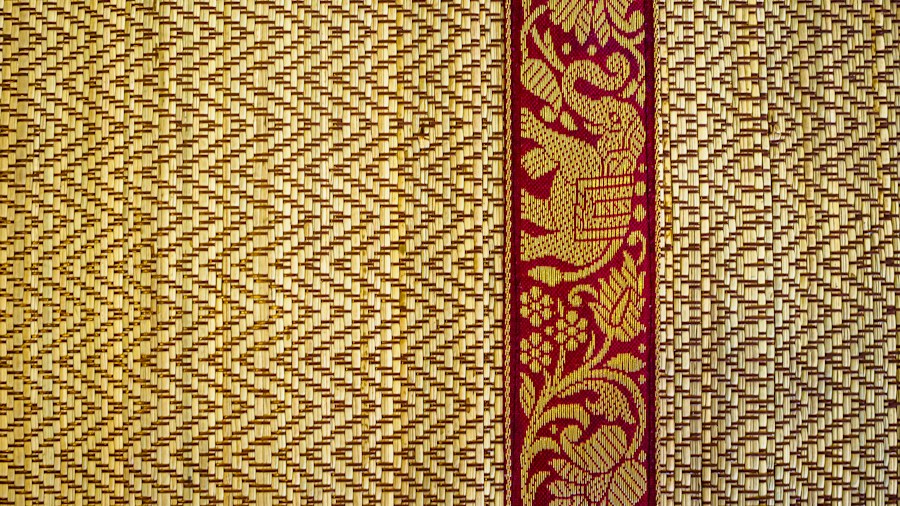
The appeal of this DIY approach lies in its combination of budget-friendly materials and impressive visual results. Silk saree fabric remnants are often sold in discounted mystery bundles, allowing shoppers to buy substantial quantities of high-quality fabric without spending a fortune. This pricing advantage makes the project attractive to decorators working within tight budgets who still want a designer-quality appearance.
The versatility of silk saree materials also means that even if individual scraps don’t match your personal aesthetic, grouping different colors and patterns together creates a cohesive bohemian look. The variety actually enhances the final design rather than detracting from it, turning potential waste into beautiful decor. Since statement curtains can set the tone for your entire space, choosing fabric that aligns with boho design principles adds personality to outdoor areas in ways that standard shade sails cannot.
How to Build Your Own Boho Shade Canopy
Creating this style of outdoor curtain structure requires minimal tools and expertise. You will need silk saree scraps, curtain rings, a hammer, nails or push pins, and an existing framework like a pergola. The assembly process involves stacking curtain rings together and securing them to the center of an overhead beam, then stretching the fabric ends outward to anchor points on surrounding beams or posts. This creates the signature draped, tent-like silhouette that makes the design so visually striking.
The original design uses eight silk saree curtains, but the structure is easily scalable. Homeowners with larger patios can add more fabric to cover extended areas, and those working with smaller spaces can reduce the number of scarves. Spacing and placement adjustments allow you to achieve the specific level of fullness and coverage you prefer.
If you do not have a pergola, you can install freestanding posts anchored in concrete to create your own framework structure. This flexibility opens up the project to renters and homeowners without existing outdoor infrastructure. For those interested in bringing elements indoors, leftover silk scraps can be transformed into window curtains or other decorative elements, extending the life and usefulness of your materials.
Important Limitations and Practical Considerations
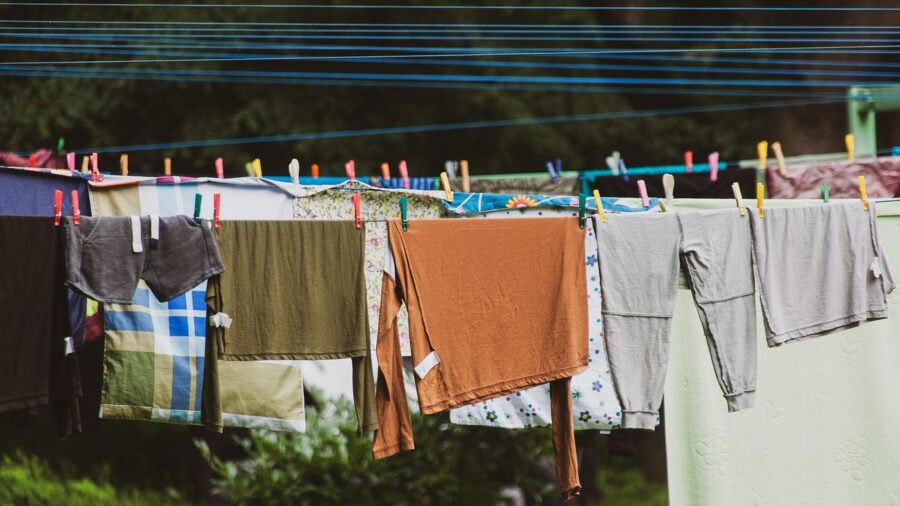
While this DIY project delivers impressive visual appeal, homeowners should understand its limitations before investing time and materials. Silk saree fabric is not weatherproof, meaning it will sustain damage from rain, fade when exposed to direct sunlight, and can deteriorate from insect damage. This is not a year-round outdoor solution in most climates, and the canopy will require seasonal takedown or coverage in harsh weather conditions.
Planning for climate and seasonal use becomes essential when selecting this option. In tropical or very rainy regions, the fabric will deteriorate quickly. Areas with intense UV exposure will see rapid fading of colors and patterns. Homeowners in moderate climates who can store or protect the canopy during problematic seasons will get the most longevity from their project.
Alternative Installation Approaches
For those wanting a different aesthetic, silk saree scarves can be arranged into a flatter canopy configuration. Instead of the dramatic draped tent look, you can stretch the fabric evenly across the overhead structure, positioning the scarves side by side to replicate the appearance of traditional shade sails while maintaining the colorful boho appeal. This arrangement can actually offer slightly better weather protection due to the flatter profile, though durability concerns remain unchanged.
The rise of this trend reflects broader consumer interest in personalized outdoor spaces and sustainable use of materials. As no-drill curtain solutions gain popularity among renters and homeowners, similar flexible and non-permanent decor approaches are reshaping how people envision their outdoor living areas. Whether you choose the dramatic draped version or the structured flat canopy style, this DIY method offers shoppers a creative alternative to expensive permanent shade installations.







Write Your Review
No reviews yet. Be the first to share your experience!