

A Kyoto-based designer has just unveiled a furniture collection that bridges two sides of Japanese culture: the country’s embrace of innovation and its deep reverence for centuries-old craftsmanship. The Red Craft collection, created by Kenta Yoshizawa, takes four traditional Japanese craft practices and transforms them into functional pieces you can actually use in your home.
The collection draws from four distinct craft traditions: bamboo fencing, kumihimo braided cord, washi paper, and urushi lacquer. These are not obscure techniques or forgotten hobbies. Kumihimo dates back centuries and was historically used to lace samurai armor. Urushi lacquer appears on artifacts that are over 9,000 years old. Washi paper holds UNESCO Intangible Cultural Heritage status. Rather than working with relics, Yoshizawa is working with the foundation of Japanese material culture itself.
What Makes This Furniture Different
Each piece in the collection carries a name reflecting its craft origins. The n shelf is a leaning design inspired by the n-shaped profile of a Sodegaki, a traditional bamboo screen, but reimagined as a freestanding furniture piece. The bamboo is shaped by hand using a gas burner to heat and bend the material, a process as direct and physical as any craft can be. This is not about copying the past, but using historical techniques as a starting point and then deciding where to go from there.
The kumihimo piece restructures braided cord as something structural rather than decorative, creating an object with genuine weight and visual tension. Other pieces in the series incorporate washi paper and urushi lacquer into items designed for everyday domestic use. All four pieces share a vibrant red palette, which serves as both a visual signature and a deeper conceptual statement. In Japanese culture, red carries layered meaning connected to protection, vitality, and ceremony, making the color choice intentional rather than arbitrary.
Authentic Collaboration With Master Craftspeople
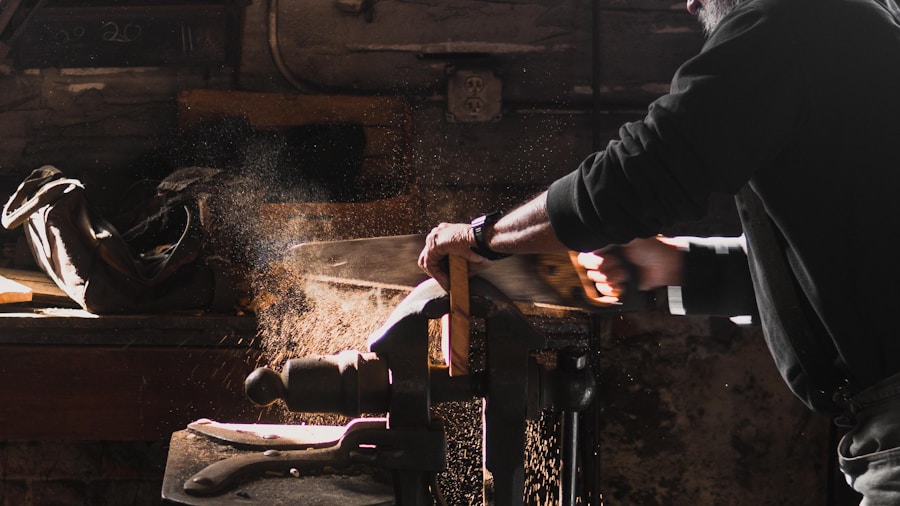
What sets this collection apart from other design projects attempting to revive traditional craft is Yoshizawa’s collaboration with actual specialists. The bamboo shelf was crafted with Nagaoka Meichiku, and the braided cord work was executed by Shoen Kumihimo. This partnership matters significantly because much design that claims to revive traditional craft ends up looking like tribute rather than genuine engagement. When the masters who have spent their entire lives learning these techniques actually make the objects, the result maintains integrity. The craft is not a surface-level aesthetic choice, it is the entire point of the collection.
This approach to design carries real implications for how you think about the items in your home. Multifunctional furniture design has been getting a major makeover in recent years, but this collection takes a different angle by prioritizing the human skill and time invested in creation. Thoughtful furniture choices are especially important in smaller spaces, where each piece needs to earn its place through both function and meaning.
What This Means for Furniture Shoppers Today
The choice to buy an object made with a centuries-old technique, shaped by hand, and infused with craft requiring genuine skill and human attention represents something fundamentally different from purchasing something designed, manufactured, and shipped within six weeks. That difference carries weight, even when people struggle to articulate why it matters.
Red Craft does not ask you to choose historical tradition over contemporary living. Instead, it poses a question: can the present make room for both old and new? In a market where so much contemporary furniture feels disposable and temporary, this collection offers a different proposition. It suggests that the things you surround yourself with daily say something about what you value and what you want near you.
The pieces in this collection are not museum displays or nostalgic tributes. They are functional furniture, lighting, and storage designed for real homes and real daily use. That shift from preservation to participation is what makes this collection genuinely relevant to today’s shoppers who increasingly want their purchases to reflect both quality and values.











Write Your Review
No reviews yet. Be the first to share your experience!